




















Popular
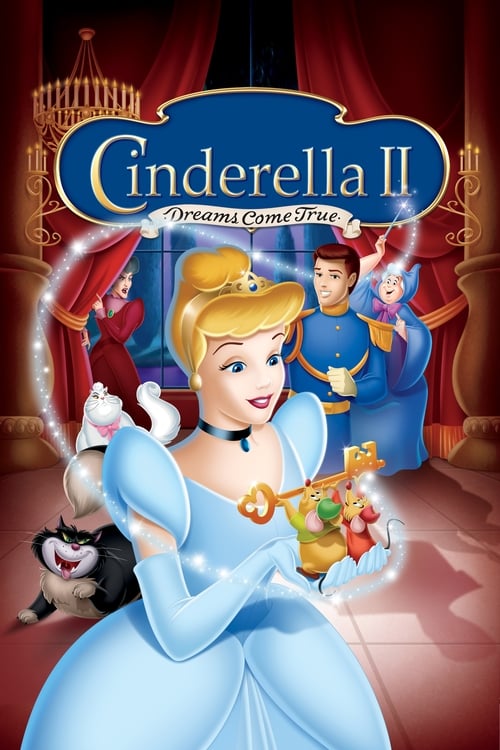
What are the three main stories told in Cinderella II: Dreams Come True?
How does Cinderella's relationship with her stepmother evolve in the film?
What challenges does Cinderella face while preparing for her royal wedding?
What lesson does the character of Anastasia learn in 'Going to the Ball'?
How does the character of Jaq play a role in the stories?
Should I watch it?
Ask Your Own Question

What is the plot?
Sorry, we aren't able to watch and write up a full detailed plot yet. Check back in a few days.








What is the ending?
In the ending of "Cinderella II: Dreams Come True," Cinderella and Prince Henry celebrate their love and the importance of following one's dreams. The film concludes with Cinderella realizing that true happiness comes from being true to oneself and helping others. The characters find fulfillment in their roles, and the story emphasizes the value of kindness and perseverance.
As the film approaches its conclusion, we find ourselves in the royal palace, where Cinderella is adjusting to her new life as a princess. She is determined to make a positive impact on her kingdom, and her first task is to organize a royal ball to celebrate the people. This event is not just a celebration; it is a way for Cinderella to connect with her subjects and show her commitment to her new role.
Scene by scene, the preparations for the ball unfold. Cinderella is seen bustling about the palace, her heart filled with excitement and a hint of nervousness. She wants everything to be perfect, not just for herself but for everyone who will attend. Her kindness shines through as she interacts with the palace staff, encouraging them and making them feel valued. This moment highlights her growth from a mistreated servant to a compassionate leader.
Meanwhile, Prince Henry is supportive of Cinderella's efforts, showcasing his love and admiration for her. He understands the importance of this event for her and is eager to help. Their relationship is portrayed as a partnership, built on mutual respect and understanding. As they work together, their bond deepens, and they share moments of laughter and joy, reinforcing the theme of love as a foundation for happiness.
As the night of the ball arrives, the palace is transformed into a dazzling spectacle. The guests, a mix of nobles and commoners, arrive, and Cinderella greets each one with warmth and grace. The atmosphere is filled with excitement and anticipation. Cinderella's genuine joy in connecting with her people is palpable, and it becomes clear that she is not just a princess in title but in spirit as well.
During the ball, Cinderella takes the opportunity to share her story, inspiring others to pursue their dreams. She encourages them to believe in themselves, just as she did. This moment serves as a pivotal point in the narrative, emphasizing the film's message about the power of dreams and the importance of kindness.
As the evening progresses, Cinderella and Prince Henry share a dance, symbolizing their unity and the love that has blossomed between them. The scene is filled with warmth and tenderness, showcasing their deep emotional connection. The joy of the ball culminates in a heartfelt moment where Cinderella expresses her gratitude for the support of her friends and the people of the kingdom.
In the final moments of the film, Cinderella reflects on her journey from a life of hardship to one filled with love and purpose. She realizes that her dreams have come true not just because of her fairy tale ending but because of the choices she made along the way. The film closes with a sense of hope and fulfillment, as Cinderella and Prince Henry stand together, ready to face the future hand in hand.
The fates of the main characters are intertwined with this message of hope and perseverance. Cinderella has embraced her role as a princess, using her position to uplift others. Prince Henry stands by her side, supporting her dreams and sharing in her happiness. Together, they embody the idea that true fulfillment comes from love, kindness, and the courage to follow one's heart. The film ends on a note of optimism, leaving the audience with the belief that dreams can indeed come true when one remains true to themselves and helps others along the way.
Is there a post-credit scene?
Cinderella II: Dreams Come True does not have a post-credit scene. The film concludes with a final scene that wraps up the stories of the characters, focusing on Cinderella and her friends as they celebrate their dreams coming true. The film ends on a positive note, emphasizing the importance of believing in oneself and the power of dreams, but there are no additional scenes or content after the credits.
What are the three main stories told in Cinderella II: Dreams Come True?
Cinderella II: Dreams Come True is structured around three distinct stories: 'Cinderella's Royal Wedding,' 'Going to the Ball,' and 'The Cat That Looked at a King.' Each story explores different aspects of Cinderella's life after her marriage to Prince Henry.
How does Cinderella's relationship with her stepmother evolve in the film?
In 'Cinderella's Royal Wedding,' Cinderella attempts to mend her relationship with her stepmother, Lady Tremaine, who struggles with feelings of jealousy and inadequacy. Cinderella's kindness and understanding ultimately lead to a more amicable relationship.
What challenges does Cinderella face while preparing for her royal wedding?
Cinderella faces several challenges while preparing for her royal wedding, including the pressure of meeting royal expectations and the interference of her stepmother, who tries to sabotage her happiness. Despite these obstacles, Cinderella remains determined to create a beautiful day.
What lesson does the character of Anastasia learn in 'Going to the Ball'?
In 'Going to the Ball,' Anastasia learns the importance of being true to oneself. Initially, she is focused on impressing the prince, but through her experiences, she discovers that genuine love and acceptance come from being authentic rather than conforming to expectations.
How does the character of Jaq play a role in the stories?
Jaq, Cinderella's loyal mouse friend, plays a significant role in the stories by providing comic relief and support. In 'The Cat That Looked at a King,' he narrates the tale and helps to highlight the themes of friendship and loyalty, showcasing his dedication to Cinderella.
Is this family friendly?
Cinderella II: Dreams Come True is generally considered a family-friendly film, aimed at children and young audiences. However, there are a few scenes and aspects that might be potentially objectionable or upsetting for some children or sensitive viewers:
-
Conflict and Misunderstandings: There are moments of conflict between characters, particularly involving misunderstandings that lead to emotional distress. For example, Cinderella's stepmother and stepsisters display jealousy and resentment, which could be unsettling for some viewers.
-
Emotional Struggles: Characters experience feelings of inadequacy and disappointment, particularly in the segment where Cinderella's friends feel overshadowed by her new life. This could resonate with children who may relate to feelings of insecurity.
-
Mild Frightening Elements: Some scenes may include mild peril or tension, such as when characters face challenges or obstacles that create a sense of urgency or danger, though these are not intense.
-
Themes of Rejection: There are moments where characters face rejection or feel unappreciated, which could be sensitive topics for some children.
Overall, while the film promotes positive messages about dreams, friendship, and perseverance, these elements may require parental guidance for younger viewers.







