














































Popular
What motivates Perseus to embark on his quest against the Kraken?
How does Perseus acquire the weapons needed to defeat the Kraken?
What role does the character of Io play in Perseus's journey?
What is the significance of the relationship between Perseus and Zeus?
How does the battle with the Kraken unfold in the climax of the film?
Should I watch it?
Ask Your Own Question

What is the plot?
Sorry, we aren't able to watch and write up a full detailed plot yet. Check back in a few days.
More Movies Like This
Browse All Movies →



What is the ending?
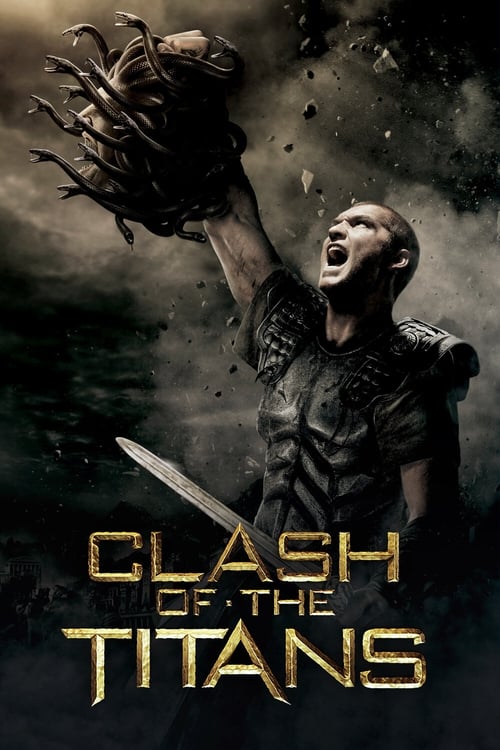
In the ending of Clash of the Titans (2010), Perseus defeats the Kraken using the head of Medusa, saving the city of Argos. He then chooses to return to his mortal life, rejecting the offer of godhood from Zeus. The film concludes with Perseus embracing his destiny as a hero while the gods watch over him.
As the climax of the film approaches, the scene shifts to the city of Argos, where the Kraken is unleashed upon the terrified populace. The massive sea monster rises from the depths, its enormous tentacles crashing against the city walls, causing destruction and chaos. The citizens scream in fear, and the atmosphere is thick with despair as they realize their fate lies in the hands of the gods.
Meanwhile, Perseus, played by Sam Worthington, stands resolute with his companions, including the warrior Draco and the fierce Andromeda. They have just acquired the head of Medusa, a powerful weapon that can turn any creature to stone. The group makes their way to the Kraken, determined to save Argos. Perseus is filled with a mix of fear and determination; he knows the weight of the task ahead but feels the urgency to protect the people.
As they reach the Kraken, the tension is palpable. Perseus holds the head of Medusa tightly, his heart racing as he prepares for the confrontation. The Kraken roars, a terrifying sound that echoes through the air, and the ground shakes beneath them. Perseus steps forward, his resolve hardening. He knows that this is not just a battle for Argos but a fight for his own identity and legacy.
In a moment of bravery, Perseus raises the head of Medusa, and the Kraken, momentarily distracted, turns its gaze towards the petrifying visage. The creature's massive form begins to freeze, its scales turning to stone as it struggles against the power of the Medusa's gaze. The scene is visually striking, with the Kraken's body caught in a dramatic transformation, showcasing the power of the weapon Perseus has wielded.
With a final, desperate roar, the Kraken collapses, shattering into pieces as it hits the ground. The citizens of Argos erupt in cheers, their fear replaced by relief and gratitude. Perseus stands amidst the ruins, a hero in their eyes, but he is conflicted. He has saved the city, yet he is aware of the cost of such power and the burden of being a demigod.
In the aftermath, Zeus, portrayed by Liam Neeson, appears before Perseus. He offers him a place among the gods, a chance to leave behind his mortal life and embrace his divine heritage. However, Perseus, reflecting on his journey and the sacrifices made, declines the offer. He chooses to return to his life as a mortal, valuing his humanity and the connections he has forged along the way.
The final scenes depict Perseus returning to his home, where he is greeted by the people he has saved. He embraces Andromeda, who has been a steadfast ally throughout their trials. The bond between them is evident, filled with mutual respect and admiration. Perseus's choice to remain mortal signifies his acceptance of his identity and the importance of human experiences.
As the film concludes, the camera pans up to the heavens, where the gods watch over the world they have shaped. Zeus acknowledges Perseus's decision with a nod of respect, understanding that true strength lies not in power but in the choices one makes. The screen fades to black, leaving the audience with a sense of closure and the enduring legacy of Perseus as a hero who chose humanity over divinity.
Is there a post-credit scene?
In the 2010 film "Clash of the Titans," there is no post-credit scene. The movie concludes with the resolution of the main plot, where Perseus, having defeated the Kraken and saved the city of Argos, returns to the surface after his battle. The film wraps up with a sense of closure, showing Perseus embracing his destiny as a hero and the newfound respect he gains from the gods and mortals alike. The absence of a post-credit scene means that the story ends without any additional hints or setups for future narratives.
What motivates Perseus to embark on his quest against the Kraken?
Perseus, portrayed by Sam Worthington, is driven by a deep sense of duty and a desire to protect the people of Argos, especially after witnessing the devastation caused by the gods' wrath. His personal journey is fueled by the need to prove himself, not only as a son of Zeus but also as a capable warrior who can stand against the monstrous Kraken.
How does Perseus acquire the weapons needed to defeat the Kraken?
During his quest, Perseus and his companions visit the Stygian Witches, who provide them with crucial information about the Kraken and the weapons needed to defeat it. They receive the sword of the gods, which is essential for their battle, and later, they also acquire the shield that can reflect the Kraken's deadly gaze.
What role does the character of Io play in Perseus's journey?
Io, played by Gemma Arterton, serves as a guide and protector for Perseus throughout his journey. Cursed by the gods to never age, she provides him with wisdom about his lineage and the challenges he faces. Her emotional connection with Perseus deepens as she helps him navigate the dangers of his quest, ultimately sacrificing herself to ensure his success.
What is the significance of the relationship between Perseus and Zeus?
The relationship between Perseus and Zeus, played by Liam Neeson, is complex and fraught with tension. Zeus, as Perseus's father, struggles with his dual role as a god and a parent. He wishes to protect Perseus but is also bound by the rules of the divine. This dynamic creates internal conflict for Perseus, who grapples with feelings of abandonment and the desire to forge his own path, separate from his father's influence.
How does the battle with the Kraken unfold in the climax of the film?
In the climactic battle against the Kraken, Perseus and his allies confront the monstrous creature at the city of Argos. The scene is visually stunning, with the Kraken emerging from the sea, towering over the city. Perseus uses the weapons he has gathered, particularly the sword and the reflective shield, to engage the beast. The tension escalates as he faces the Kraken's immense power, ultimately leading to a dramatic showdown where he must summon all his courage and skill to save the city and its people.
Is this family friendly?
"Clash of the Titans" (2010) contains several scenes and themes that may not be suitable for younger audiences or sensitive viewers. Here are some potentially objectionable or upsetting aspects:
-
Violence and Battles: The film features numerous battle sequences, including intense fights between humans and mythical creatures. There are scenes of characters being attacked, injured, or killed, which may be graphic for some viewers.
-
Monsters and Creatures: The presence of various mythical creatures, such as the Kraken, giant scorpions, and the Gorgon Medusa, can be frightening. Their designs and the way they attack can evoke fear.
-
Death and Sacrifice: Themes of sacrifice and loss are prevalent, with characters facing dire consequences. The emotional weight of these moments may be distressing for younger viewers.
-
Dark Themes: The film explores themes of fate, revenge, and the struggle against powerful gods, which may be complex and heavy for children to understand.
-
Mature Language: There are instances of strong language that may not be appropriate for younger audiences.
-
Romantic Elements: There are romantic subplots that include tension and emotional conflict, which may not resonate with younger viewers.
Overall, while "Clash of the Titans" is an action-adventure film, its darker themes and intense scenes may require parental guidance for younger audiences.








