



















































Popular
What motivates Thorin Oakenshield's actions throughout the film?
How does Bilbo Baggins' character evolve in this film?
What role does the Arkenstone play in the conflict between the dwarves and the elves?
What is the significance of the Battle of the Five Armies?
How does the character of Legolas contribute to the story?
Should I watch it?
Ask Your Own Question

What is the plot?
Sorry, we aren't able to watch and write up a full detailed plot yet. Check back in a few days.
More Movies Like This
Browse All Movies →

What is the ending?
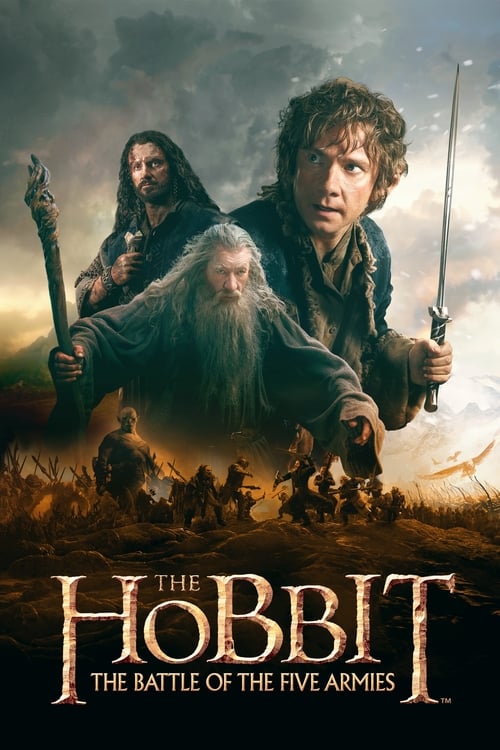
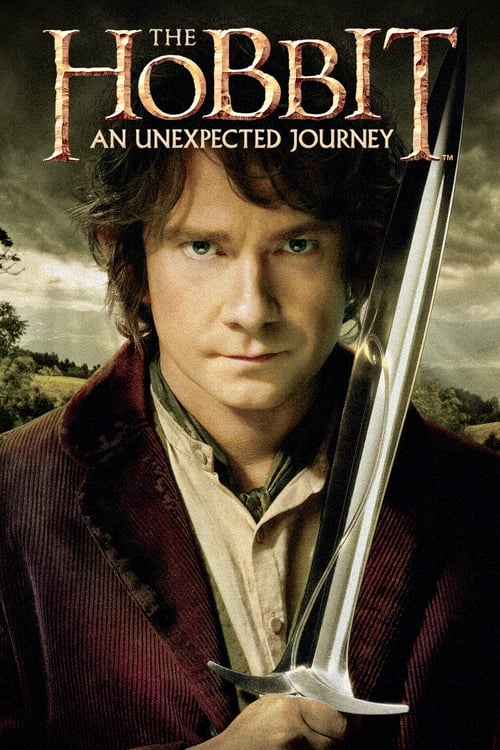
At the end of The Hobbit: The Battle of the Five Armies, Thorin Oakenshield succumbs to his wounds after a fierce battle, reconciling with Bilbo Baggins before his death. The battle concludes with the defeat of the orc army, but the cost is high. Dain Ironfoot becomes the new King under the Mountain. Bilbo returns to the Shire, forever changed by his experiences.
As the film reaches its climax, the scene opens on the desolate battlefield where the armies of men, elves, dwarves, and orcs clash violently. The air is thick with the sounds of clashing steel, the cries of warriors, and the roars of the great dragon, Smaug, who has been defeated but whose legacy of destruction lingers. The camera pans over the chaos, capturing the desperation and valor of the combatants.
Thorin Oakenshield, driven by his desire to reclaim his homeland and the treasure within the Lonely Mountain, fights fiercely alongside his cousin Dain Ironfoot and the dwarves. However, the greed that had begun to consume him resurfaces as he faces the oncoming threat of the orc army led by Azog the Defiler. In a moment of clarity amidst the chaos, Thorin realizes the futility of his obsession with gold and the toll it has taken on his relationships, particularly with Bilbo Baggins, the hobbit who had stood by him through thick and thin.
As the battle rages on, Bilbo, who has been a reluctant participant in the conflict, finds himself caught in the middle of the chaos. He witnesses the bravery of his friends and the horrors of war, feeling a deep sense of sorrow for the loss of life around him. He is determined to find a way to end the fighting, believing that peace is possible even in the face of such overwhelming conflict.
In a pivotal moment, Thorin confronts Azog in a fierce duel. The two engage in a brutal fight, showcasing Thorin's skill and determination. However, he is ultimately wounded, and as he lies dying, he is filled with regret for the way he has treated Bilbo and the other members of his company. In his final moments, he reaches out to Bilbo, expressing his gratitude and acknowledging the true value of friendship over gold. This emotional reconciliation highlights the film's central theme of the importance of loyalty and the cost of greed.
As the battle draws to a close, the combined forces of men and elves manage to defeat the orc army, but not without significant losses. The aftermath reveals the devastation left in the wake of the conflict. Dain Ironfoot emerges as the new King under the Mountain, taking up the mantle of leadership and vowing to honor the fallen.
Bilbo, having witnessed the horrors of war and the fragility of life, decides to return to the Shire. He carries with him the weight of his experiences, forever changed by the journey he undertook. The film concludes with a poignant farewell as Bilbo leaves the Lonely Mountain, reflecting on the friendships forged and the lessons learned. He arrives back in the Shire, where life continues as normal, but he knows he will never be the same again.
In the final scenes, the camera captures the peaceful landscape of the Shire, contrasting sharply with the battles fought. The story closes on Bilbo's quiet home, symbolizing the return to normalcy, yet hinting at the adventures that lie ahead in the future. The fate of each main character is sealed: Thorin dies a hero, Dain takes his place as king, and Bilbo returns home, forever marked by his journey.
Is there a post-credit scene?
In "The Hobbit: The Battle of the Five Armies," there is no post-credit scene. The film concludes with a poignant ending that wraps up the story of Bilbo Baggins and the events surrounding the Battle of the Five Armies. After the climactic battle, the film shifts to a reflective tone, showing the aftermath of the conflict and the fates of the main characters.
The final scenes depict Bilbo returning to the Shire, where he finds his home being auctioned off, as he was presumed dead. This moment is filled with a sense of bittersweet nostalgia, as Bilbo reflects on his journey and the friends he made along the way. The film ends with him settling back into his life, but forever changed by his adventures. The absence of a post-credit scene emphasizes the closure of Bilbo's story and the transition to the events of "The Lord of the Rings."
What motivates Thorin Oakenshield's actions throughout the film?
Thorin Oakenshield is driven by a deep desire to reclaim his homeland, the Lonely Mountain, and the treasure within it. As the film progresses, his obsession with the Arkenstone, a symbol of his kingship, leads him to become increasingly paranoid and aggressive, particularly towards those he once considered allies. His internal struggle is marked by a conflict between his noble heritage and the corrupting influence of greed.
How does Bilbo Baggins' character evolve in this film?
Bilbo Baggins undergoes significant character development in 'The Battle of the Five Armies.' Initially, he is portrayed as a reluctant hero, but as the story unfolds, he becomes more courageous and assertive. His decision to take the Arkenstone and use it as a bargaining chip reflects his growth in confidence and moral conviction, as he seeks to prevent further bloodshed among the dwarves, elves, and men.
What role does the Arkenstone play in the conflict between the dwarves and the elves?
The Arkenstone serves as a pivotal plot device that exacerbates tensions between the dwarves and the elves. Thorin's obsession with the Arkenstone blinds him to the needs of his allies, particularly when Bilbo secretly gives it to Bard and Thranduil in hopes of negotiating peace. This act of betrayal from Bilbo, though well-intentioned, deepens the rift between Thorin and the other factions, ultimately leading to the climactic battle.
What is the significance of the Battle of the Five Armies?
The Battle of the Five Armies is a culmination of the various conflicts that have been brewing throughout the film. It represents not only a physical confrontation between the dwarves, elves, men, orcs, and the eagles but also symbolizes the struggle for power and the consequences of greed. The battle serves as a turning point for many characters, particularly Thorin, who must confront the consequences of his actions and the cost of his ambition.
How does the character of Legolas contribute to the story?
Legolas, portrayed as a skilled and agile warrior, adds depth to the narrative through his relationships and actions. His loyalty to Thranduil and his growing friendship with Gimli foreshadow the alliance between elves and dwarves. Legolas also plays a crucial role in the battle, showcasing his combat skills and bravery, while his interactions with Tauriel highlight the themes of love and sacrifice amidst the chaos of war.
Is this family friendly?
"The Hobbit: The Battle of the Five Armies" contains several scenes and themes that may be considered objectionable or upsetting for children or sensitive viewers. Here are some aspects to be aware of:
-
Violence and Battle Scenes: The film features intense battle sequences with large-scale fighting, including swordplay, arrows, and various creatures engaged in combat. The violence is stylized but can be graphic, with characters being injured or killed.
-
Death and Loss: There are significant moments of loss and mourning, including the deaths of key characters. The emotional weight of these scenes may be distressing for younger viewers.
-
Dark Themes: The film explores themes of greed, betrayal, and the consequences of war, which may be heavy for children to process.
-
Monsters and Creatures: Various monstrous beings, including orcs and trolls, are depicted in a frightening manner. Their appearances and actions can be unsettling.
-
Emotional Turmoil: Characters experience deep emotional struggles, including fear, anger, and despair, which may resonate strongly with sensitive viewers.
-
Destruction and Chaos: The film portrays the destruction of homes and landscapes due to war, which can be distressing, especially for children who may not fully understand the context.
These elements contribute to a darker tone compared to other family-friendly films, and parental discretion is advised when considering the film for younger audiences.








