


Popular
What are some of the most memorable characters introduced in All That?
How did the character of Ed from Good Burger evolve throughout the series?
What role did the character of Miss Piddlin play in the show?
What was the significance of the 'Vital Information' segment in All That?
How did the character of Amanda Bynes contribute to the show's success?
Should I watch it?
Ask Your Own Question

What is the plot?
"All That" is a sketch comedy television series that premiered in 1994, featuring a variety of comedic sketches performed by a cast of young actors. The show does not follow a traditional narrative structure with a singular plot but instead consists of various segments, each with its own storyline and characters.
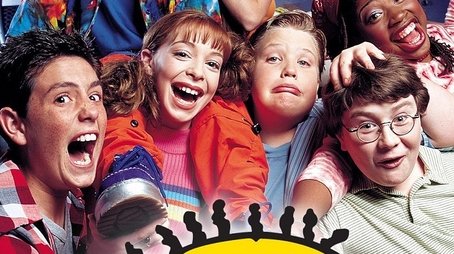
The show opens with a lively theme song performed by the cast, introducing the audience to the comedic world of "All That." The energy is high, and the young cast members, including Kenan Thompson, Kel Mitchell, and others, are seen dancing and engaging with the camera, setting the tone for the fun and chaotic sketches to come.
The first sketch typically features a parody of a popular television show or movie. For example, one sketch might spoof a well-known sitcom, with exaggerated characters and humorous situations that play on the tropes of the original show. The actors embody their roles with over-the-top performances, eliciting laughter from the audience.
As the show progresses, various recurring characters and segments are introduced. One notable character is "Good Burger," played by Kel Mitchell, who works at a fast-food restaurant and often finds himself in absurd situations with customers and his co-workers. The sketch usually involves misunderstandings, silly customer orders, and the iconic catchphrase, "Welcome to Good Burger, home of the Good Burger, can I take your order?"
Another popular segment features Kenan and Kel as they navigate their friendship and the challenges of adolescence. Their dynamic is filled with comedic mishaps, such as trying to impress girls or dealing with their parents, often leading to humorous consequences. The chemistry between the two actors is palpable, and their comedic timing enhances the sketches.
The show also includes musical performances, where guest stars from various genres come on stage to perform their latest hits. These performances are interspersed with comedic bits, allowing for a blend of music and humor that appeals to the show's young audience.
As the sketches continue, the cast often breaks the fourth wall, interacting with the audience and each other in a playful manner. This self-awareness adds an extra layer of humor, as the characters acknowledge the absurdity of their situations.
Throughout the series, there are also segments that involve audience participation, where viewers are encouraged to send in their own sketches or ideas. This interactive element fosters a sense of community among the show's fans and allows for fresh content that resonates with the audience.
The show concludes each episode with a final sketch that often ties back to the theme of the episode or features a humorous recap of the best moments. The cast gathers for a final bow, thanking the audience and leaving them with a sense of joy and laughter.
Overall, "All That" is a collection of comedic sketches that showcase the talents of its young cast, with each segment offering a unique and entertaining experience. The show's format allows for a variety of humor, from slapstick to clever wordplay, making it a beloved staple of 90s television.









What is the ending?
"All That" is a sketch comedy show that aired its first episode in 1994 and did not have a traditional narrative ending like a movie or a series with a continuous storyline. Instead, each episode featured a variety of comedic sketches, musical performances, and recurring characters, culminating in a final sketch or performance that often involved the cast coming together for a humorous conclusion.
In the final moments of an episode, the cast would typically gather on stage, often engaging in playful banter or a comedic wrap-up of the sketches they had performed. The show was known for its light-hearted humor and the ability to connect with its young audience, often leaving viewers with a sense of joy and laughter.
In a more detailed narrative fashion, let's explore a typical ending of an episode of "All That":
As the episode draws to a close, the camera pans across the vibrant set, filled with colorful props and the laughter of the live audience. The familiar theme music begins to play, signaling the end of another fun-filled episode. The cast members, a diverse group of talented young actors, gather in a semi-circle at center stage, their faces beaming with excitement and camaraderie.
The host, often one of the main cast members, steps forward, a wide grin on their face. "Well, that's all for today, folks! We hope you had as much fun watching as we did performing!" The audience erupts in applause, their cheers echoing throughout the studio.
One by one, the cast members take turns sharing their favorite moments from the episode. Kenan, with his signature charm, recounts a particularly hilarious sketch where he played a bumbling superhero, his exaggerated movements and facial expressions drawing laughter from the audience. Kel, always the jokester, chimes in with a playful jab about Kenan's superhero skills, prompting a mock argument that has the audience in stitches.
As the banter continues, the camera captures the genuine friendship and chemistry among the cast. They tease each other, share inside jokes, and express their gratitude for the opportunity to entertain. The energy is infectious, and the audience feels like part of the family.
Suddenly, the lights dim slightly, and a spotlight shines on a special guest who has joined the cast for the episode. The guest, often a popular musician or actor, takes a moment to thank the cast and the audience for their support. They perform a lively musical number, and the cast joins in, dancing and singing along, creating a festive atmosphere that fills the studio with joy.
As the performance comes to an end, the cast gathers once more, arms around each other, smiling widely. The host raises a hand, signaling for quiet. "Remember, everyone, keep laughing and having fun! We'll see you next time on 'All That!'"
With that, the theme music swells once more, and the camera zooms out, capturing the entire cast waving goodbye to the audience. The screen fades to black, leaving viewers with a sense of warmth and anticipation for the next episode.
In this format, "All That" does not have a singular fate for each character, as the show is structured around sketches rather than a continuous storyline. Each character shines in their respective sketches, showcasing their comedic talents and leaving a lasting impression on the audience. The essence of the show lies in its ability to bring laughter and joy, emphasizing the importance of friendship, creativity, and fun.
Is there a post-credit scene?
The show "All That," which premiered in 1994, did not typically feature post-credit scenes in the way that many modern shows do. Instead, each episode concluded with a final sketch or segment that wrapped up the comedic themes presented throughout the episode.
In the spirit of the show, the final moments often included a humorous skit or a character returning for a quick gag, leaving the audience with a light-hearted feeling. The sketches were designed to be self-contained, often featuring recurring characters or popular segments like "Good Burger" or "The Adventures of Pete & Pete."
The focus was on delivering a variety of comedic sketches that appealed to a younger audience, and the show maintained a fast-paced format that kept viewers engaged until the very end. Therefore, while there were memorable closing moments, they did not follow the traditional post-credit scene format seen in many contemporary series.
What are some of the most memorable characters introduced in All That?
All That featured a variety of memorable characters, including the iconic 'Good Burger' duo, Ed and Dexter, played by Kel Mitchell and Kenan Thompson. Ed, a dim-witted but lovable fast-food worker, often found himself in absurd situations, while Dexter, his more sensible friend, tried to manage the chaos. Another notable character was 'Lori Beth Denberg's' 'Vital Information,' where she delivered humorous news segments filled with quirky facts and jokes. The show also introduced 'The Adventures of Pete & Pete' characters, and the recurring sketch 'The Loud Librarian,' played by a young Amanda Bynes, who brought a comedic twist to the typically quiet library setting.
How did the character of Ed from Good Burger evolve throughout the series?
Ed, portrayed by Kel Mitchell, began as a simple, goofy character who worked at Good Burger, often oblivious to the chaos around him. As the series progressed, his character became more defined, showcasing his unique catchphrases like 'Welcome to Good Burger, home of the Good Burger, can I take your order?' His interactions with Dexter highlighted his innocence and naivety, often leading to comedic misunderstandings. Ed's loyalty to his friends and his unwavering optimism made him a beloved character, and his antics often served as the centerpiece of many sketches.
What role did the character of Miss Piddlin play in the show?
Miss Piddlin, played by the talented and comedic actress, was a recurring character known for her over-the-top personality and humorous interactions with the kids. She often portrayed a strict teacher or authority figure, but her exaggerated reactions and comedic timing made her a source of laughter. Her character was designed to parody the typical school experience, and her interactions with the main cast often led to hilarious situations, showcasing the show's ability to blend humor with relatable childhood experiences.
What was the significance of the 'Vital Information' segment in All That?
'Vital Information,' hosted by Lori Beth Denberg, was a crucial segment that provided comedic commentary on various topics, often delivered in a mock-serious tone. The sketches were filled with absurd facts and humorous advice, making them both entertaining and memorable. This segment allowed the show to break the fourth wall, as Denberg would often address the audience directly, creating a connection with viewers. The humor was often absurd and surreal, reflecting the show's overall comedic style and resonating with its young audience.
How did the character of Amanda Bynes contribute to the show's success?
Amanda Bynes, who joined the cast in the later seasons, brought a fresh energy and comedic talent that significantly contributed to the show's success. Her characters, such as the 'Loud Librarian' and various other sketches, showcased her versatility and ability to embody different personas. Bynes' comedic timing and expressive facial reactions added a new layer of humor to the sketches, and her chemistry with other cast members helped to elevate the overall dynamic of the show. Her presence attracted a broader audience and solidified her status as a rising star in the entertainment industry.
Is this family friendly?
"All That," produced in 1994, is a sketch comedy show aimed primarily at a younger audience, featuring a variety of comedic sketches, musical performances, and recurring characters. While the show is generally family-friendly, there are a few aspects that might be considered potentially objectionable or upsetting for children or sensitive viewers:
-
Silly Humor: Some sketches may include slapstick comedy or exaggerated scenarios that could be perceived as violent, such as characters getting hit with pies or falling in humorous ways. While intended to be funny, the physical comedy might be too intense for some viewers.
-
Parody and Satire: The show often parodies popular culture, which may include references to adult themes or situations that could be confusing or inappropriate for younger audiences.
-
Mild Language: Occasionally, there may be mild language or phrases that could be considered inappropriate for very young children, though nothing explicit is used.
-
Character Behavior: Some characters may display mischievous or rebellious behavior, which could send mixed messages about authority and consequences.
-
Emotional Themes: Certain sketches might touch on themes of rejection, embarrassment, or social awkwardness, which could resonate with sensitive viewers and evoke feelings of discomfort.
Overall, while "All That" is designed to entertain children, parents may want to preview episodes to ensure they align with their comfort levels regarding humor and themes.