
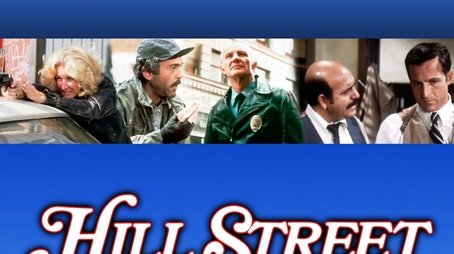


Popular
What are the main character's struggles and motivations throughout the series?
How does the relationship between Frank Furillo and Joyce Davenport evolve over the series?
What role does Officer Andy Renko play in the precinct dynamics?
How does the character of Detective Mick Belker contribute to the show's themes?
What significant events lead to the precinct's challenges in maintaining order?
Should I watch it?
Ask Your Own Question

What is the plot?
The series begins with the chaotic morning roll call at the Hill Street precinct, where Captain Frank Furillo addresses his officers. He emphasizes the importance of teamwork and the challenges they face in a crime-ridden neighborhood. The precinct is filled with a diverse cast of characters, including the tough but compassionate Officer Joyce Davenport, the cynical Detective Mick Belker, and the earnest Officer Andy Renko. Tensions are palpable as the officers prepare for their day, each dealing with personal issues and the weight of their responsibilities.
As the day unfolds, a series of incidents occur that highlight the precinct's struggles. Officer Renko and his partner, Officer Bobby Hill, respond to a domestic disturbance call, where they encounter a volatile situation between a husband and wife. The couple's emotional turmoil reflects the broader issues of the community, and Renko's attempts to mediate are met with resistance. Meanwhile, Detective Belker is on the trail of a petty thief, showcasing his relentless pursuit of justice, even in the face of danger.
Captain Furillo faces his own challenges as he navigates the political landscape of the precinct. He has to deal with the pressures from the city council and the media, who are critical of the police department's handling of crime. Furillo's determination to maintain order and protect his officers is evident as he confronts the external pressures while trying to keep morale high within the precinct.
In a parallel storyline, Officer Davenport is involved in a case that hits close to home. She is assigned to investigate a series of assaults on women in the neighborhood, which stirs up her own fears and memories. Her emotional investment in the case drives her to push harder for justice, even as she faces pushback from her superiors who are more concerned with public relations than the victims' needs.
As the precinct deals with various cases, personal relationships among the officers begin to develop. Renko and Hill's camaraderie deepens as they share their frustrations and victories. Meanwhile, Belker's tough exterior begins to crack as he forms a bond with a stray dog he finds on the streets, symbolizing his hidden compassion beneath his hardened facade.
The tension escalates when a major drug bust goes awry, leading to a violent confrontation between the police and the drug dealers. Officers are injured, and the precinct is thrown into chaos as they respond to the emergency. Furillo's leadership is tested as he coordinates the response, trying to keep his officers safe while also managing the fallout from the media and the community.
In the aftermath of the drug bust, the precinct faces scrutiny from the public and the city officials. Furillo must navigate the political fallout, defending his officers while also addressing the community's concerns. The emotional toll on the officers becomes evident as they grapple with the violence they witnessed and the impact it has on their lives.
As the season progresses, personal and professional lives intertwine, leading to conflicts and resolutions. Relationships are tested, with Davenport and Furillo's mutual attraction growing amidst the chaos of their jobs. The precinct becomes a microcosm of the struggles faced by the community, with each officer's story reflecting broader societal issues.
The season culminates in a dramatic standoff involving a hostage situation that puts the officers' lives on the line. Furillo's leadership is crucial as he negotiates with the hostage-taker, showcasing his ability to remain calm under pressure. The resolution of the standoff brings both relief and further complications, as the officers must deal with the emotional aftermath of the event.
Throughout the series, the characters evolve, facing their demons and finding strength in their bonds with one another. The precinct becomes a place of both conflict and camaraderie, where the officers learn to navigate the complexities of their roles in a challenging environment. The final scenes of the season leave viewers with a sense of uncertainty, as the characters confront their futures and the ongoing challenges of policing in a troubled city.









What is the ending?
The ending of "Hill Street Blues" features a series of dramatic events that encapsulate the struggles and complexities of the characters. The precinct faces a violent confrontation, and several characters confront their personal demons and relationships. The series concludes with a sense of unresolved tension, reflecting the ongoing challenges of urban policing and personal lives.
In the final episode, titled "The Last Assignment," the narrative unfolds with a palpable sense of urgency. The precinct is buzzing with activity as the officers prepare for a major drug bust that could potentially change the landscape of crime in their district. Captain Frank Furillo, portrayed with a mix of determination and weariness, is at the center of the action, embodying the weight of leadership and the burden of responsibility. His internal conflict is evident as he grapples with the moral implications of the police work and the toll it takes on his personal life.
As the officers gear up, we see Detective J.D. LaRue, whose reckless behavior has often put him at odds with his colleagues, struggling with his own demons. He is torn between his desire to prove himself and the fear of failure. His interactions with fellow officers reveal a camaraderie that has developed over the years, underscoring the bonds formed in the face of adversity.
Meanwhile, Officer Lucy Bates is dealing with her own challenges, reflecting on her role as a female officer in a male-dominated environment. Her determination to succeed is palpable, and she is shown preparing for the bust with a fierce resolve. The tension in the precinct is mirrored in her character, as she balances her professional ambitions with the realities of her personal life.
As the drug bust unfolds, the scene shifts to a tense confrontation with the suspects. The officers move in, and the atmosphere is thick with anticipation. The action is frenetic, with gunfire erupting and chaos ensuing. The stakes are high, and the officers must rely on their training and instincts to navigate the dangerous situation. The visual detail of the scene captures the intensity of urban policing, with flashing lights, shouting commands, and the palpable fear of the unknown.
In the midst of the chaos, we see the emotional toll on the characters. Captain Furillo's leadership is tested as he makes split-second decisions that could mean life or death for his officers. His internal struggle is evident as he weighs the risks against the need to protect his team. The camaraderie among the officers shines through as they cover each other, showcasing their loyalty and dedication.
As the dust settles, the aftermath of the bust reveals both triumph and tragedy. Some officers emerge unscathed, while others face the consequences of their choices. Detective LaRue, having faced his fears, finds a moment of clarity, realizing the importance of his relationships with his colleagues. Officer Bates, having proven herself in the field, gains a newfound respect from her peers, but the emotional scars of the day linger.
The episode concludes with a poignant scene in the precinct, where the officers gather to reflect on the day's events. The mood is somber yet hopeful, as they acknowledge the challenges ahead. Captain Furillo delivers a heartfelt speech, emphasizing the importance of their work and the bonds they share. The camera pans over the faces of the officers, capturing a mix of determination and vulnerability.
In the final moments, the precinct is shown in a quiet state, a stark contrast to the earlier chaos. The characters are left to ponder their futures, with unresolved tensions and relationships hanging in the air. The series ends on a note of ambiguity, leaving viewers with a sense of the ongoing struggles faced by the officers of Hill Street, encapsulating the complexities of their lives both on and off the job.
Is there a post-credit scene?
"Hill Street Blues," which premiered in 1981, does not feature post-credit scenes. The show is known for its serialized storytelling and character-driven plots, often concluding episodes with a poignant or dramatic moment that leads directly into the next episode. The focus is primarily on the unfolding narratives within the precinct and the lives of the officers and residents of Hill Street, rather than on additional scenes after the credits. Each episode typically ends with a sense of unresolved tension or emotional weight, setting the stage for future developments in the characters' arcs.
What are the main character's struggles and motivations throughout the series?
The main character, Captain Frank Furillo, struggles with the pressures of running the Hill Street precinct while dealing with his own personal demons, including his tumultuous relationships and the challenges of maintaining order in a crime-ridden neighborhood. His motivations often stem from a desire to protect his officers and the community, even as he faces moral dilemmas and the complexities of law enforcement.
How does the relationship between Frank Furillo and Joyce Davenport evolve over the series?
Frank Furillo and Joyce Davenport's relationship is marked by passion and conflict. Initially, they share a romantic connection that is complicated by their professional lives--Frank as a police captain and Joyce as a public defender. Throughout the series, their relationship experiences ups and downs, including moments of deep connection and significant strain, particularly as they navigate their differing views on justice and morality.
What role does Officer Andy Renko play in the precinct dynamics?
Officer Andy Renko serves as a loyal and often comedic presence in the precinct. His character is characterized by a strong sense of justice and a desire to do right by the community, but he often finds himself in humorous situations due to his naivety and clumsiness. Renko's interactions with his partner, Officer Bobby Hill, highlight the camaraderie and challenges faced by officers on the beat, showcasing the emotional toll of their work.
How does the character of Detective Mick Belker contribute to the show's themes?
Detective Mick Belker is known for his unorthodox methods and his ability to connect with the street-level criminals he often pursues. His character embodies the gritty realism of police work, often blurring the lines between right and wrong. Belker's tough exterior hides a compassionate side, and his interactions with both criminals and colleagues reveal the complexities of morality in law enforcement, contributing to the show's exploration of human nature.
What significant events lead to the precinct's challenges in maintaining order?
Throughout the series, the Hill Street precinct faces numerous significant events that challenge its ability to maintain order, including gang violence, drug-related crimes, and political pressures. Key episodes often depict high-stakes situations, such as hostage crises or riots, which test the officers' resolve and teamwork. These events not only highlight the dangers of their job but also serve to deepen the character development and the emotional stakes for the precinct's staff.
Is this family friendly?
"Hill Street Blues," produced in 1981, is known for its gritty portrayal of urban life and the complexities of police work. While it is a critically acclaimed series, it contains several elements that may not be suitable for children or sensitive viewers.
-
Violence and Crime: The show frequently depicts violent crime scenes, including shootings, assaults, and the aftermath of such incidents. The portrayal of police responding to these situations can be intense and graphic.
-
Drug Use: There are scenes that involve drug use and drug-related crime, which may be distressing for younger viewers.
-
Adult Themes: The series explores complex adult themes such as corruption, moral ambiguity, and the struggles of law enforcement officers, which may be difficult for children to understand.
-
Language: The dialogue includes strong language and profanity, reflecting the harsh realities of the environment in which the characters operate.
-
Sexual Content: There are instances of sexual situations and innuendos, as well as discussions about relationships that may not be appropriate for younger audiences.
-
Emotional Turmoil: Characters often deal with personal loss, trauma, and moral dilemmas, which can evoke strong emotional responses and may be upsetting for sensitive viewers.
Overall, while "Hill Street Blues" is a landmark series in television history, its content is more suited for mature audiences due to its realistic and often harsh depiction of life in a police precinct.