
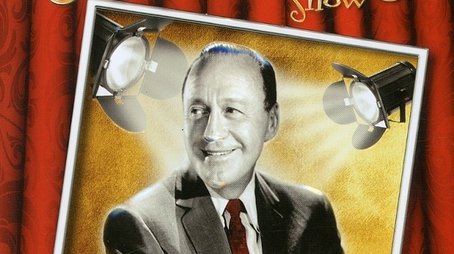


Popular
What recurring character often appears as Jack Benny's nemesis on the show?
How does Jack Benny's character typically react to his own age in the show?
What is the significance of Jack Benny's violin in the show?
Who is Jack Benny's long-suffering but devoted secretary, and what role does she play?
What comedic situations arise from Jack Benny's interactions with his friends and fellow performers?
Should I watch it?
Ask Your Own Question

What is the plot?
In the 1950 episode of The Jack Benny Program, the show opens with Jack Benny in his living room, preparing for a visit from his friend and fellow comedian, George Burns. Jack is seen fussing over his appearance, adjusting his tie and practicing his smile in the mirror. He expresses a mix of excitement and anxiety about the visit, revealing his desire to impress George with his own comedic talents. The audience is introduced to Jack's trademark humor as he engages in a humorous monologue about the pressures of entertaining a fellow comedian.
As Jack waits for George to arrive, he interacts with his housekeeper, Rochester. Their banter showcases Jack's self-importance and Rochester's dry wit. Jack complains about the lack of respect he receives, while Rochester playfully undermines Jack's ego, suggesting that he is not as famous as he thinks. This exchange sets the tone for the episode, highlighting Jack's insecurities and Rochester's role as the voice of reason.
When George Burns finally arrives, he is greeted with enthusiasm from Jack, who tries to impress him with a series of jokes. However, George's responses are lukewarm, leading Jack to feel increasingly insecure about his comedic abilities. The two engage in a friendly competition, each trying to outdo the other with their jokes. This back-and-forth escalates, with Jack becoming more desperate to win George's approval, leading to a series of increasingly absurd and exaggerated jokes.
As the competition continues, Jack decides to take a break and suggests they go out for dinner. He insists on taking George to a fancy restaurant, hoping to impress him further. The scene shifts to the restaurant, where Jack's attempts to show off backfire. He struggles with the menu, mispronouncing items and making a fool of himself in front of the waiter. George, meanwhile, remains calm and collected, contrasting Jack's frantic energy.
During dinner, Jack's insecurities resurface as he overhears another table laughing at a joke that George tells. Feeling overshadowed, Jack tries to interject with his own jokes, but they fall flat. The tension builds as Jack's frustration grows, leading to a comedic meltdown where he dramatically laments his lack of success compared to George. This moment is both humorous and poignant, showcasing Jack's vulnerability.
After dinner, the two friends return to Jack's house, where Jack decides to put on a small performance for George, hoping to redeem himself. He sets up a makeshift stage in his living room and invites Rochester to be part of the act. Jack's performance is filled with slapstick humor and exaggerated antics, but it is clear that he is still seeking validation from George. Rochester plays along, adding to the chaos and humor of the scene.
As the performance progresses, George finally breaks character and offers Jack genuine praise, acknowledging his talent and the joy he brings to others. This moment of sincerity shifts the dynamic between the two friends, allowing Jack to relax and enjoy the moment without the pressure of competition. The episode concludes with Jack and George sharing a laugh, solidifying their friendship and leaving the audience with a sense of warmth and camaraderie.
The final scene features Jack and Rochester cleaning up after the performance, with Jack still riding the high of George's compliment. He expresses gratitude for their friendship, and Rochester teases him about his earlier antics, bringing the episode full circle with their playful banter. The screen fades to black, leaving the audience with a lasting impression of the comedic yet heartfelt nature of their relationship.









What is the ending?
In the 1950 episode of The Jack Benny Program, the ending features Jack Benny and his friends engaging in a humorous exchange that highlights their characteristic banter and comedic timing. The episode concludes with Jack's signature laugh and a light-hearted moment that leaves the audience in good spirits.
As the episode draws to a close, the scene shifts to Jack Benny's living room, where he is surrounded by his usual cast of characters: his friend and violinist, Rochester, and his fellow performers, including Mary Livingstone and Dennis Day. The atmosphere is filled with laughter and playful teasing, a hallmark of their interactions throughout the show.
Jack, ever the self-deprecating comedian, finds himself in a light-hearted argument with Mary about his age and his supposed lack of talent. Mary, with her quick wit, counters Jack's claims, teasing him about his age and his infamous frugality. The audience can feel the camaraderie and affection between the characters, despite the playful jabs.
As the banter continues, Rochester enters the scene, carrying a tray of snacks. He adds to the humor with his own quips, often poking fun at Jack's stinginess. The dynamic between Jack and Rochester is particularly engaging, as Rochester's dry humor contrasts with Jack's exaggerated reactions. This interplay showcases their long-standing friendship, built on mutual respect and comedic rivalry.
Dennis Day, the young singer, chimes in with his own innocent observations, further adding to the comedic chaos. His youthful enthusiasm and naivety provide a refreshing counterbalance to Jack's more cynical outlook. The audience is treated to a brief musical number from Dennis, which serves as a delightful interlude before the final moments of the episode.
As the episode nears its conclusion, Jack attempts to regain control of the conversation, but his efforts are met with more playful resistance from Mary and Rochester. The scene culminates in a classic Jack Benny moment, where he tries to play his violin, only to be interrupted by the others, leading to a humorous mishap. The laughter builds, and the characters' interactions become increasingly animated, showcasing their chemistry and the joy of their friendship.
Finally, the episode wraps up with Jack delivering his iconic catchphrase, followed by a hearty laugh from the audience. The camera zooms out, capturing the warmth and camaraderie of the group as they share a final moment of laughter together. The screen fades to black, leaving viewers with a sense of joy and the enduring charm of Jack Benny and his friends.
In this ending, each character remains true to their established personas: Jack, the lovable curmudgeon; Mary, the witty foil; Rochester, the sarcastic friend; and Dennis, the earnest young man. Their interactions reflect the themes of friendship, humor, and the light-hearted nature of their relationships, ensuring that the audience is left with a smile.
Is there a post-credit scene?
The Jack Benny Program, particularly in the year 1950, did not typically feature post-credit scenes as seen in modern television. The format of the show was structured around a variety of sketches, musical performances, and comedic bits, often concluding with a final joke or punchline delivered by Jack Benny or one of the regular cast members.
In the episodes from that era, the show would usually end with a humorous wrap-up, where Jack might engage in a light-hearted exchange with his cast, including regulars like Rochester, Mary Livingstone, or Dennis Day. These moments were designed to leave the audience with a smile, but they were not structured as post-credit scenes. Instead, the show would fade out after the final joke, often accompanied by the theme music, without any additional content after the credits rolled.
The focus was on delivering a complete comedic experience within the main body of the episode, rather than extending the narrative beyond the closing moments.
What recurring character often appears as Jack Benny's nemesis on the show?
The character who frequently serves as Jack Benny's nemesis is Fred Allen. Their comedic rivalry is a central element of the show, often leading to humorous exchanges and skits that highlight their contrasting personalities.
How does Jack Benny's character typically react to his own age in the show?
Jack Benny's character often humorously insists that he is 39 years old, despite the obvious signs of aging. This running gag showcases his vanity and denial, leading to comedic situations where others tease him about his age.
What is the significance of Jack Benny's violin in the show?
Jack Benny's violin is a crucial part of his character. It serves as a source of both pride and comedic failure, as he often attempts to play it but is met with laughter and criticism. This highlights his self-deprecating humor and the absurdity of his aspirations.
Who is Jack Benny's long-suffering but devoted secretary, and what role does she play?
Jack Benny's secretary is Rochester, played by Eddie Anderson. Rochester is not only Jack's assistant but also a key comedic foil, often expressing exasperation at Jack's antics while also showcasing loyalty and affection, adding depth to their relationship.
What comedic situations arise from Jack Benny's interactions with his friends and fellow performers?
Jack Benny's interactions with his friends, such as Dennis Day, Mary Livingstone, and Don Wilson, often lead to humorous misunderstandings and playful banter. These situations highlight the dynamics of their friendships, with Jack's self-centeredness often clashing with the personalities of his friends, resulting in comedic chaos.
Is this family friendly?
The Jack Benny Program, produced in 1950, is generally considered family-friendly, featuring a blend of comedy, music, and light-hearted skits. However, there are a few aspects that might be considered potentially objectionable or upsetting for children or sensitive viewers:
-
Sarcasm and Insults: The humor often relies on sarcasm and playful insults among characters, particularly between Jack Benny and his friends. While intended to be humorous, some might find the tone a bit sharp.
-
Financial Jokes: Jack Benny's character is famously cheap, and jokes about money and frugality are common. Some children might not understand the humor behind these themes, and it could lead to confusion about financial matters.
-
Romantic Undertones: There are occasional references to romantic relationships, particularly involving Jack and his love interest, which may include mild innuendo. While not explicit, it may not be suitable for very young viewers.
-
Cultural References: Some jokes may reference contemporary events or cultural norms of the 1950s that could be outdated or confusing for modern audiences.
-
Character Flaws: The characters often display flaws such as jealousy, pride, or stubbornness, which could serve as negative examples for impressionable viewers.
Overall, while The Jack Benny Program is light-hearted and comedic, parents may want to preview episodes to ensure they align with their values and the sensitivities of their children.