











Popular
What happens to the character Wilhelm during the war?
How does the relationship between Greta and Viktor evolve throughout the series?
What role does the character Charlotte play in the lives of her friends?
How does the character Friedhelm's experience in the war affect his mental state?
What are the consequences of the characters' decisions during the war?
Should I watch it?
Ask Your Own Question

What is the plot?
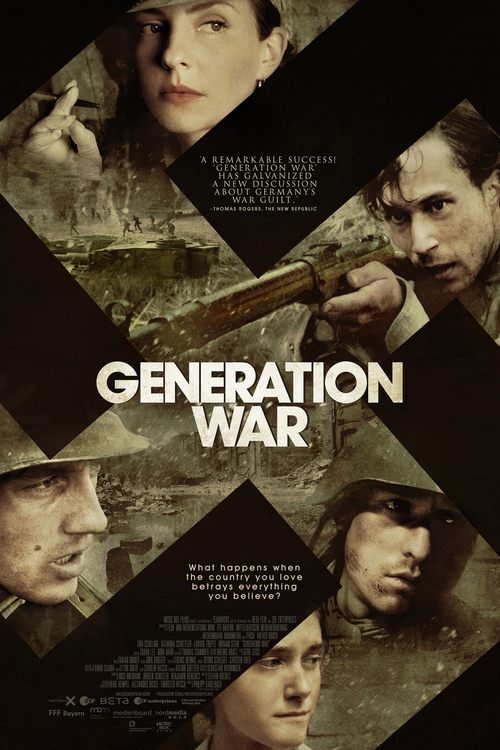
In 1941, the story begins in Berlin, where five close friends--Wilhelm, a soldier; Charlotte, a nurse; Greta, a singer; Viktor, a Jewish tailor; and his sister, the young and idealistic Jewish woman, are introduced. They share a deep bond, and their lives are intertwined with the backdrop of World War II. As Wilhelm prepares to leave for the front lines, the group gathers for a farewell party. Emotions run high as they express their hopes and fears about the war. Wilhelm promises to return, and Charlotte, who harbors feelings for him, is particularly affected by his departure.
As Wilhelm is sent to the Eastern Front, he experiences the brutal realities of war. His unit is involved in a horrific battle, and he witnesses the death of his comrades. The harsh conditions and the moral dilemmas faced by soldiers weigh heavily on him. Wilhelm struggles with the orders he receives, particularly when they involve the treatment of prisoners. His internal conflict grows as he grapples with the brutality of the Nazi regime.
Meanwhile, Charlotte is working in a military hospital, where she encounters the wounded soldiers. She becomes increasingly disillusioned with the war as she sees the suffering it causes. Her compassion for the injured soldiers contrasts with the propaganda she is surrounded by. Charlotte's character develops as she begins to question the ideals she once held, especially when she meets a soldier who shares his traumatic experiences with her.
Greta, who is trying to make a name for herself as a singer, finds herself in a precarious position as the war progresses. She is approached by a Nazi officer who offers her opportunities in exchange for her compliance. Torn between her ambition and her morals, Greta ultimately decides to use her talents to survive, leading her to make choices that put her friends at risk. Her character arc highlights the compromises individuals make in desperate times.
Viktor and his sister face increasing danger as the Nazi regime intensifies its persecution of Jews. They attempt to navigate the treacherous landscape of Berlin, seeking refuge and safety. Viktor's determination to protect his sister drives him to make desperate decisions, including seeking help from friends who may not fully understand the gravity of their situation. Their plight becomes more dire as they witness the rounding up of Jews and the horrors of concentration camps.
As the war continues, the friends' paths intersect again. Wilhelm, now deeply affected by his experiences, returns to Berlin on leave. He is shocked to learn about Viktor's situation and the extent of the persecution. Wilhelm's guilt and sense of responsibility for his Jewish friend lead him to take risks to help Viktor and his sister escape. This decision puts him at odds with his own military obligations and tests his loyalty to the regime.
The tension escalates when Viktor and his sister are captured during a raid. Wilhelm, Charlotte, and Greta devise a plan to rescue them. They confront the dangers of the city, navigating through checkpoints and avoiding patrols. The rescue attempt is fraught with tension, and they face numerous close calls. The emotional stakes are high as they risk their lives for their friends, showcasing their deep bond and commitment to one another.
In a climactic sequence, the group manages to reach Viktor and his sister, but their escape is complicated by the arrival of Nazi soldiers. A chaotic confrontation ensues, with gunfire and panic erupting. Wilhelm fights to protect his friends, but the situation quickly spirals out of control. In the chaos, Viktor's sister is shot, and the group is forced to flee, leaving behind the wounded and traumatized.
As the war nears its end, the friends are scattered. Wilhelm is sent back to the front, where he faces the final battles of the war. His experiences have changed him profoundly, and he struggles with the loss of his friends and the horrors he has witnessed. Charlotte, now disillusioned with the war, continues to work in the hospital, trying to save lives amidst the devastation.
Greta's choices come back to haunt her as she faces the consequences of her actions. She becomes increasingly isolated, grappling with her decisions and the impact they have had on her relationships. The war has transformed her, and she must confront the reality of her situation.
In the final moments of the story, the war comes to an end, and the friends are left to pick up the pieces of their shattered lives. They reunite, but the scars of war remain. Each character must confront their past choices and the impact of the war on their futures. The emotional weight of their experiences lingers as they navigate a world forever changed by conflict.
🔥 Trending TV Shows Now
Browse All TV Shows →






What is the ending?
In the ending of "Generation War," the fates of the main characters are revealed against the backdrop of the war's devastation. Wilhelm, who has been deeply affected by the horrors of war, is left disillusioned and traumatized. Charlotte, who has been fighting for her beliefs, faces a tragic end. Viktor, who has been struggling with his identity and loyalty, finds himself in a dire situation. Greta, who has been trying to survive and protect her loved ones, faces her own challenges. The film concludes with a somber reflection on the impact of war on personal relationships and the loss of innocence.
As the final act of "Generation War" unfolds, the narrative shifts to a war-torn Berlin in 1945. The city is in ruins, and the atmosphere is thick with despair. The characters, once filled with youthful dreams and ambitions, are now grappling with the harsh realities of their choices and the consequences of the war.
Scene 1: Wilhelm, now a soldier, is seen wandering through the rubble of Berlin. His uniform is tattered, and his face is marked with exhaustion and trauma. He encounters fellow soldiers who are equally disillusioned, sharing stories of loss and regret. Wilhelm's internal struggle is palpable; he is haunted by memories of his friends and the violence he has witnessed. He longs for a sense of purpose but feels increasingly lost.
Scene 2: Meanwhile, Charlotte is in a makeshift hospital, tending to wounded soldiers. Her dedication to helping others is evident, but the toll of the war weighs heavily on her. She receives news of Wilhelm's whereabouts and is filled with a mix of hope and fear. As she treats the injured, her hands tremble, reflecting her emotional turmoil. The camera captures her moments of vulnerability, showcasing her desire to make a difference amidst the chaos.
Scene 3: Viktor, who has been hiding his Jewish identity, faces a critical moment when he is discovered by Nazi soldiers. The tension escalates as he tries to escape, showcasing his desperation and fear. He is forced to confront his identity and the reality of his situation. The scene is charged with suspense, highlighting the stakes of his survival. Viktor's internal conflict is evident as he grapples with his loyalty to his friends and the need to protect himself.
Scene 4: Greta, who has been trying to survive in the midst of the war, faces a heartbreaking decision. She is torn between her love for Viktor and the dangers that come with being associated with him. In a poignant moment, she chooses to help him escape, showcasing her bravery and love. The emotional weight of this decision is captured through close-ups of her face, revealing her fear and determination.
Scene 5: As the characters' paths converge, the climax builds. Wilhelm and Charlotte finally reunite, but their joy is short-lived as they are confronted by the harsh realities of their situation. The reunion is bittersweet, filled with unspoken words and shared pain. The camera lingers on their expressions, capturing the depth of their connection amidst the chaos.
Scene 6: The final moments of the film are marked by tragedy. Charlotte is caught in a violent confrontation, and despite Wilhelm's attempts to save her, she is fatally wounded. The scene is heart-wrenching, filled with raw emotion as Wilhelm cradles her in his arms, tears streaming down his face. The weight of loss hangs heavy in the air, symbolizing the devastating impact of war on personal relationships.
Scene 7: In the aftermath, Viktor's fate is revealed as he is captured by the Nazis. The camera follows him as he is led away, his expression a mix of defiance and despair. The finality of his situation underscores the harsh reality faced by those who were marginalized during the war.
Scene 8: Greta, left to navigate the ruins of her life, reflects on the choices she made. The film closes with a haunting image of her walking through the desolate streets, embodying the loss of innocence and the scars left by the war. The final shot lingers on her face, capturing the weight of her experiences and the uncertain future ahead.
The ending of "Generation War" serves as a poignant reminder of the personal toll of conflict, illustrating how the characters' lives are irrevocably changed by the war. Each character's fate is a reflection of their struggles, choices, and the harsh realities of a world torn apart by violence.
Is there a post-credit scene?
"Generation War," the 2013 miniseries, does not have a post-credit scene. The narrative concludes with the final episode, which wraps up the fates of the main characters against the backdrop of World War II's aftermath. The story focuses on the emotional and moral complexities faced by the characters, leaving viewers with a poignant reflection on the impact of war rather than a traditional post-credit sequence. The ending emphasizes the personal losses and the haunting memories that linger long after the conflict has ended, encapsulating the series' themes of friendship, betrayal, and the harsh realities of war.
What happens to the character Wilhelm during the war?
Wilhelm, a young German soldier, is initially enthusiastic about serving his country. As the war progresses, he faces the brutal realities of combat, leading to a transformation in his character. He becomes disillusioned and struggles with the moral implications of his actions, especially after witnessing the atrocities committed against civilians. His journey is marked by internal conflict as he grapples with his loyalty to his comrades and his growing awareness of the war's horrors.
How does the relationship between Greta and Viktor evolve throughout the series?
Greta, a nurse, and Viktor, a Jewish man, share a deep bond that is tested by the war. Initially, their relationship is filled with hope and love, but as the war escalates, they face increasing danger due to Viktor's Jewish identity. Greta's determination to protect Viktor leads her to make difficult choices, including risking her own safety. Their love story becomes a poignant reflection of the challenges faced by individuals during wartime, highlighting themes of sacrifice and resilience.
What role does the character Charlotte play in the lives of her friends?
Charlotte, a strong-willed and independent woman, serves as a central figure among her friends. She is determined to support the war effort and initially believes in the cause. However, as the war progresses, she becomes increasingly aware of the consequences of their actions. Her character embodies the struggle between personal ambition and the harsh realities of war, as she navigates her relationships with Wilhelm, Greta, and Viktor, ultimately influencing their decisions and perspectives.
How does the character Friedhelm's experience in the war affect his mental state?
Friedhelm, Wilhelm's brother, is deeply affected by his experiences on the front lines. Initially portrayed as a patriotic soldier, he becomes increasingly traumatized by the violence and loss he witnesses. His mental state deteriorates as he grapples with guilt and despair, leading to moments of intense emotional turmoil. Friedhelm's journey highlights the psychological impact of war, showcasing his struggle to maintain his humanity amidst the chaos.
What are the consequences of the characters' decisions during the war?
The decisions made by the characters throughout the series have profound consequences on their lives and relationships. For instance, Wilhelm's commitment to the Nazi cause leads to a moral crisis, while Greta's choice to protect Viktor puts her in grave danger. Each character's actions ripple through their friendships, resulting in betrayal, loss, and a reevaluation of their beliefs. The series poignantly illustrates how the war irrevocably alters their paths, leaving them to confront the aftermath of their choices.
Is this family friendly?
"Generation War" is a World War II drama that explores the lives of five friends in Germany during the war. While it is a powerful narrative, it contains several elements that may not be suitable for children or sensitive viewers.
-
Violence and War Scenes: The series depicts intense battle sequences, including graphic violence, injuries, and death. The brutality of war is portrayed realistically, which can be distressing.
-
Death and Loss: Characters experience significant loss, including the deaths of friends and family members. These moments are emotionally charged and can be upsetting.
-
Moral Dilemmas: The characters face complex moral choices that involve betrayal, loyalty, and the consequences of their actions during a tumultuous time. These themes may be challenging for younger viewers to understand.
-
Depictions of Suffering: There are scenes that show the suffering of civilians, including the impact of war on families and communities, which can be emotionally heavy.
-
Themes of Betrayal and Guilt: The characters grapple with feelings of guilt and betrayal, which can lead to intense emotional moments that may be difficult for sensitive viewers.
-
Sexual Content: There are instances of sexual situations and nudity that may not be appropriate for younger audiences.
Overall, "Generation War" is a mature series that deals with heavy themes and graphic content, making it more suitable for adult viewers.