












Popular
What motivates Junichiro Kagami to become a teacher despite his initial reluctance?
How does Kanou's character develop throughout the series?
What role does the 'Otaku Club' play in the story?
How does Junichiro's relationship with his sister, Koyomi, influence the story?
What challenges do the students face in their academic and personal lives, and how do they overcome them?
Should I watch it?
Ask Your Own Question

What is the plot?
The story begins with Junichiro Kagami, a passionate otaku and a former top student, who has become a recluse, spending his days indulging in anime, manga, and video games. His life takes a turn when he is approached by the principal of a high school, who offers him a teaching position. Initially reluctant, Junichiro is persuaded by the idea of being able to influence the next generation and share his love for otaku culture.
As he starts his new job, Junichiro faces challenges in connecting with his students, who are initially skeptical of his unconventional teaching methods. He quickly realizes that many of his students are struggling academically and socially. Among them is a girl named Kōta, who is particularly shy and has difficulty making friends. Junichiro decides to use his knowledge of anime and gaming to engage his students, creating lessons that incorporate elements of their interests.
One day, Junichiro organizes a class project where students must create their own manga. This project excites the students, and they begin to open up, showcasing their creativity. However, not all students are on board; some are critical of Junichiro's methods, believing he is not taking their education seriously. This leads to a confrontation with a group of students who challenge his authority.
In response to the criticism, Junichiro doubles down on his approach, determined to prove that his methods can yield results. He spends extra time with Kōta, helping her develop her manga skills and encouraging her to express herself. As Kōta gains confidence, she begins to form friendships with her classmates, which leads to a positive shift in the classroom dynamic.
As the school year progresses, Junichiro faces personal challenges as well. He struggles with his own insecurities and the pressure of being a teacher. His past as a top student haunts him, and he fears that he may not be able to live up to the expectations of his students and colleagues. This internal conflict is exacerbated when he learns that the school is considering replacing him due to his unorthodox teaching style.
In a pivotal moment, Junichiro decides to host a school festival that celebrates otaku culture, inviting students to showcase their talents in various activities related to anime, gaming, and manga. The festival is met with mixed reactions, but Junichiro's enthusiasm inspires many students to participate. Kōta takes the lead in organizing a manga exhibition, and her newfound confidence shines through as she collaborates with her classmates.
The day of the festival arrives, and it is a chaotic yet joyous event. Students display their work, and the atmosphere is filled with excitement. However, a rival school attempts to sabotage the festival, leading to a confrontation. Junichiro rallies his students, encouraging them to stand together and defend their hard work. This moment solidifies the bond between Junichiro and his students, as they unite to protect their passion.
After the festival, the school administration acknowledges the positive impact Junichiro has had on the students. They decide to keep him on staff, recognizing that his unique approach has fostered a sense of community and creativity among the students. Junichiro feels a sense of validation and purpose, realizing that he has made a difference in their lives.
As the series progresses, Junichiro continues to navigate the challenges of teaching while embracing his otaku identity. He learns to balance his passions with his responsibilities, ultimately growing as both a teacher and an individual. The students, particularly Kōta, flourish under his guidance, and the classroom transforms into a supportive environment where creativity and self-expression are celebrated.
The series concludes with Junichiro reflecting on his journey, feeling fulfilled in his role as a teacher. He has not only inspired his students but has also rediscovered his own passion for life beyond the confines of his otaku interests. The final scenes depict a bright future for both Junichiro and his students, emphasizing the importance of following one's passions and the power of connection.
More TV Shows Like This
Browse All TV Shows →
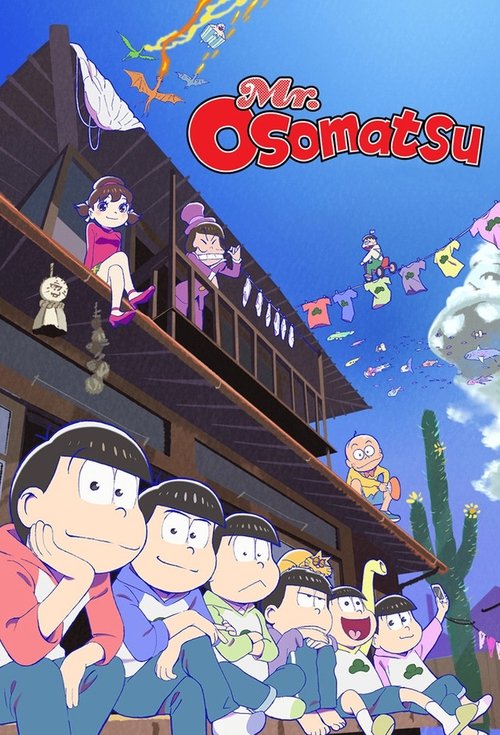





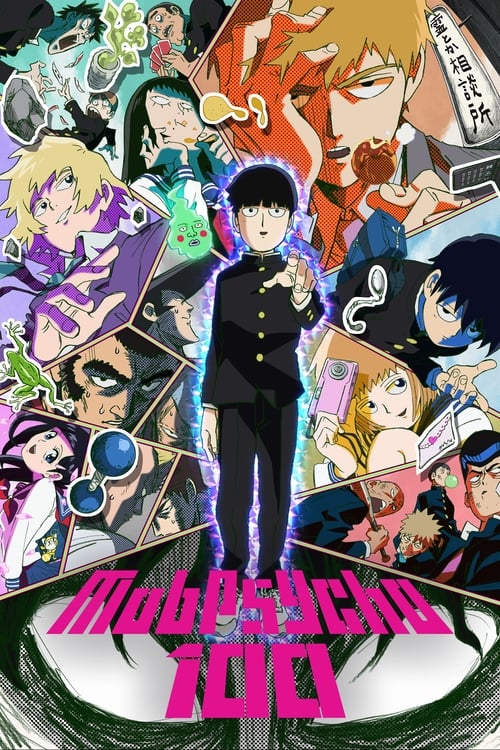


What is the ending?
In the ending of "Ultimate Otaku Teacher," Junichiro Kagami, the protagonist, successfully helps his students grow and develop their skills, particularly in the context of their interests in otaku culture. The series concludes with a sense of fulfillment as he embraces his role as a teacher, and the students express their gratitude and admiration for him.
As the final episodes unfold, we see Junichiro Kagami, who has been a somewhat unconventional teacher, finally coming to terms with his responsibilities. The narrative builds up to a climactic moment where he faces the challenge of a school festival. His students, inspired by his passion for otaku culture, decide to create a project that showcases their interests.
Scene by scene, the story progresses as follows:
The first scene opens with the school bustling in preparation for the festival. Students are seen decorating booths and discussing their projects. Junichiro, with his characteristic enthusiasm, encourages his students to express themselves through their work. He walks through the halls, observing the excitement and energy, feeling a sense of pride in their efforts.
Next, we see a montage of the students working hard on their projects. Each student is highlighted, showcasing their unique talents and interests. For instance, one student, who has been shy and reserved, finds confidence in creating a visual novel, while another student channels their love for anime into a cosplay presentation. Junichiro is there every step of the way, offering guidance and support, which deepens his bond with them.
As the festival day arrives, the atmosphere is electric. The camera pans over the various booths, filled with colorful decorations and enthusiastic participants. Junichiro stands at the entrance, beaming with pride as he watches his students shine. The festival serves as a culmination of their hard work and growth, and it is evident that they have all come together as a team.
During the festival, a pivotal moment occurs when one of the students faces a crisis of confidence. They doubt their abilities and consider giving up on their project. Junichiro steps in, recalling his own struggles and the importance of perseverance. He shares a heartfelt story about his journey as an otaku and how it shaped him. This moment resonates deeply with the student, reigniting their passion and determination.
As the festival progresses, the students' projects receive positive feedback from their peers and teachers. The joy and excitement are palpable, and Junichiro watches with tears of happiness in his eyes. He realizes that he has not only taught them about otaku culture but also about believing in themselves and the value of teamwork.
In the final scenes, the festival concludes with a heartfelt ceremony where students express their gratitude to Junichiro. They acknowledge how he has inspired them to embrace their passions and pursue their dreams. Each student shares a personal message, highlighting their growth and the impact he has had on their lives.
The series ends with Junichiro reflecting on his journey as a teacher. He stands in front of a classroom filled with eager faces, ready to embark on new adventures with his students. The screen fades to black, leaving viewers with a sense of hope and fulfillment, emphasizing the importance of mentorship, self-discovery, and the celebration of individuality.
In summary, the fate of each main character is one of growth and realization. Junichiro Kagami embraces his role as a teacher, finding joy in guiding his students. The students, once uncertain and hesitant, emerge with newfound confidence and a sense of belonging, ready to face their futures with enthusiasm. The ending encapsulates the essence of the series, celebrating the transformative power of education and the bonds formed through shared passions.
Is there a post-credit scene?
In the anime "Ultimate Otaku Teacher," there is indeed a post-credit scene that adds a humorous touch to the series. After the main events of the final episode, the scene shifts to a light-hearted moment featuring the protagonist, Junichirou Kagami, and his students.
In this scene, Junichirou is seen in his usual otaku attire, enthusiastically discussing his latest interests and projects with his students. The atmosphere is filled with laughter and camaraderie as the students engage with him, showcasing their growth and the bond they have developed throughout the series. The scene captures the essence of their relationship, highlighting Junichirou's passion for teaching and the way he inspires his students to embrace their own interests.
As the scene progresses, it humorously hints at Junichirou's ongoing obsession with otaku culture, leaving viewers with a sense of warmth and a smile, reinforcing the show's themes of friendship, passion, and the joy of pursuing one's interests. The post-credit moment serves as a delightful conclusion, reminding fans of the quirky charm that defines the series.
What motivates Junichiro Kagami to become a teacher despite his initial reluctance?
Junichiro Kagami, a passionate otaku, initially resists the idea of becoming a teacher due to his desire to focus on his interests in anime and video games. However, he is motivated by the potential to inspire his students and share his knowledge of otaku culture. His interactions with his students, particularly with the determined and bright Kanou, gradually awaken a sense of responsibility and purpose within him, pushing him to embrace his role as an educator.
How does Kanou's character develop throughout the series?
Kanou starts as a shy and introverted girl who struggles with her self-esteem and social interactions. Throughout the series, her character develops significantly as she gains confidence through her interactions with Junichiro and her classmates. She learns to embrace her interests, particularly in otaku culture, and becomes more assertive, ultimately taking on leadership roles in group projects and standing up for herself and her friends.
What role does the 'Otaku Club' play in the story?
The 'Otaku Club' serves as a central hub for the characters to explore their shared interests in anime, manga, and gaming. It becomes a safe space for students to express themselves and connect with others who share their passions. The club's activities often lead to comedic situations and heartfelt moments, showcasing the importance of friendship and collaboration. It also acts as a catalyst for character development, particularly for Kanou and her peers, as they learn to work together and support one another.
How does Junichiro's relationship with his sister, Koyomi, influence the story?
Koyomi, Junichiro's younger sister, plays a significant role in his life and influences his decisions throughout the series. She often challenges him to take his responsibilities seriously and pushes him to be a better teacher. Their sibling dynamic is filled with playful banter, but it also reveals deeper emotional layers, as Koyomi admires her brother's passion while also wanting him to succeed in his role. Her presence serves as a reminder of the balance between personal interests and responsibilities.
What challenges do the students face in their academic and personal lives, and how do they overcome them?
The students face various challenges, including academic pressure, social anxiety, and personal insecurities. For instance, Kanou struggles with her confidence, while other characters deal with issues like family expectations and peer relationships. They overcome these challenges through the support of each other and Junichiro, who encourages them to embrace their individuality and pursue their passions. The series highlights their growth as they learn to confront their fears and work together to achieve their goals.
Is this family friendly?
"Ultimate Otaku Teacher," produced in 2015, is generally considered a family-friendly anime, but it does contain some elements that may be objectionable or upsetting for children or sensitive viewers. Here are a few aspects to consider:
-
Mild Fan Service: The show includes scenes with suggestive imagery and innuendos, particularly involving female characters. This may not be suitable for younger audiences.
-
Social Anxiety and Isolation: The protagonist, Junichirou, struggles with social interactions and has a deep passion for otaku culture, which may resonate with viewers but could also highlight themes of loneliness and alienation.
-
Bullying and Peer Pressure: There are instances where characters face bullying or pressure from peers, which could be distressing for sensitive viewers.
-
Parental Relationships: Some characters have complicated relationships with their parents, which may touch on themes of disappointment or lack of understanding.
-
Competitive Environment: The academic and competitive nature of the school setting can create tension and stress among characters, which might be unsettling for some viewers.
While these elements are present, they are generally handled in a light-hearted manner, and the overall tone of the series remains comedic and uplifting.