







Popular
What role does the character of Alice play in John's life and mission?
What motivates John Tavner to take on the dangerous mission in the show?
How does the relationship between John Tavner and his brother, Edward, evolve throughout the series?
How does the show depict the absurdity of espionage through specific plot points?
What are the consequences of John's actions on his family and the people around him?
Should I watch it?
Ask Your Own Question

What is the plot?
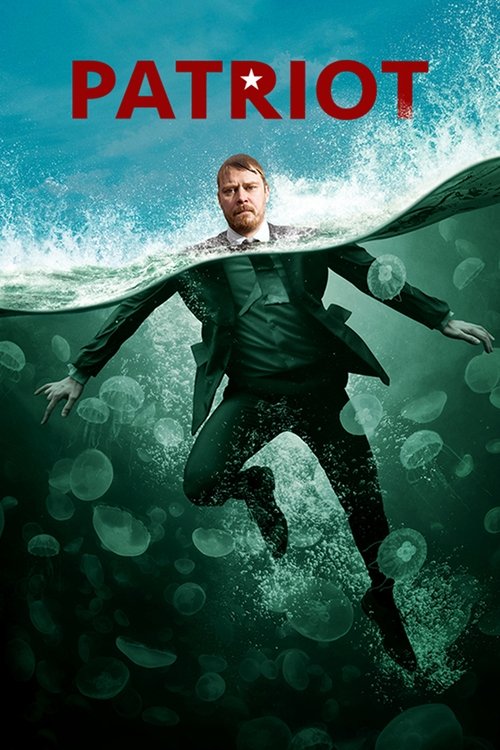
The story begins with John Tavner, a mid-level intelligence officer, who is tasked with a covert mission to prevent Iran from going nuclear. He is deeply troubled and emotionally strained, struggling with the weight of his responsibilities. John is also dealing with personal issues, including a strained relationship with his father, who is a powerful figure in the government. The series opens with John in a precarious situation, attempting to maintain his cover while grappling with his mental health.
John's mission leads him to travel to Europe, where he is instructed to pose as a mid-level employee at a company that is a front for his intelligence work. He is tasked with gathering information and ultimately sabotaging a deal that could benefit Iran. As he navigates this new environment, he encounters various characters, including his boss, who is oblivious to the true nature of John's work, and his colleagues, who are suspicious of his erratic behavior.
In one pivotal scene, John is forced to confront his own limitations when he is unable to carry out a critical task. He is supposed to eliminate a target but hesitates, leading to a series of complications. This moment of weakness not only jeopardizes his mission but also deepens his internal conflict, as he grapples with the morality of his actions and the consequences they may have on innocent lives.
As the plot unfolds, John's relationship with his family is explored in greater depth. His father, a high-ranking official, is portrayed as a domineering figure who has high expectations for John. This dynamic adds pressure to John's already fragile state of mind. He feels the weight of his father's legacy and struggles to carve out his own identity amidst the expectations placed upon him.
John's mission takes a darker turn when he is forced to confront the reality of his actions. He becomes entangled in a web of deceit and betrayal, leading to a series of violent encounters. In one particularly intense sequence, John is ambushed by a group of armed men while trying to retrieve crucial information. The scene is chaotic, with gunfire erupting and John narrowly escaping with his life. This moment marks a turning point for him, as he realizes the true stakes of his mission.
Throughout the series, John's mental state deteriorates further. He experiences hallucinations and paranoia, which blur the lines between reality and his own psyche. These moments are visually striking, often depicted through disorienting camera angles and surreal imagery that reflect his internal turmoil. His emotional struggles are compounded by the pressure of his mission and the fear of failure.
As John continues to navigate the complexities of his assignment, he forms an unexpected bond with a woman named Alice. Their relationship provides a brief respite from the chaos of his life, but it is also fraught with tension as John grapples with the implications of his secret life. He is torn between his feelings for Alice and his commitment to his mission, leading to moments of vulnerability and connection.
The climax of the series occurs when John's mission reaches a critical juncture. He is faced with a moral dilemma that forces him to choose between completing his assignment and protecting those he cares about. In a tense confrontation, John must decide whether to follow orders or to act on his conscience. This moment is charged with emotion, as he weighs the potential consequences of his actions.
In the final episodes, the fallout from John's decisions becomes increasingly dire. He is pursued by both his enemies and his own government, leading to a series of high-stakes confrontations. The tension escalates as John is forced to confront the reality of his choices, culminating in a dramatic showdown that tests his resolve and commitment to his mission.
Ultimately, the series concludes with John facing the consequences of his actions. The emotional weight of his journey is palpable as he reflects on the impact of his decisions. The final scenes leave viewers with a sense of ambiguity, as John's fate hangs in the balance, underscoring the complexities of his character and the moral dilemmas he has navigated throughout the series.








What is the ending?
In the ending of the TV show "Patriot," John Tavner's mission culminates in a tense confrontation that leads to significant personal and professional consequences. The series concludes with John facing the repercussions of his actions, while other characters also grapple with their fates, leaving a sense of unresolved tension.
As the final episodes unfold, John Tavner, played by Michael Dorman, finds himself increasingly entangled in a web of espionage and personal conflict. The narrative builds to a climax as John, who has been tasked with preventing a nuclear disaster, confronts the reality of his choices.
In the penultimate episode, John is in a precarious position, having been discovered by the authorities. He is forced to navigate a series of dangerous encounters, including a confrontation with his own brother, who is unaware of the full extent of John's covert operations. The emotional weight of their relationship is palpable, as John struggles with the burden of his secret life and the impact it has on his family.
The final episode sees John making a desperate decision to protect his loved ones. He is faced with a moral dilemma that pits his duty against his desire to keep his family safe. In a tense standoff, John confronts the agents pursuing him, leading to a chaotic sequence of events that culminates in violence.
As the dust settles, the fate of the main characters is revealed. John is left to grapple with the consequences of his actions, both as a spy and as a brother. His internal conflict is evident as he reflects on the choices he has made and the lives he has affected.
Meanwhile, other key characters, such as his father, who has been a source of pressure and expectation, must also come to terms with the fallout of John's decisions. The series ends on an ambiguous note, leaving viewers with lingering questions about loyalty, sacrifice, and the cost of living a double life.
In summary, the ending of "Patriot" encapsulates the complexity of John's journey, highlighting the emotional turmoil of his character and the intricate web of relationships that define the narrative. Each character's fate is intertwined with John's, creating a rich tapestry of conflict and resolution that resonates throughout the series.
Is there a post-credit scene?
In the TV show "Patriot," there is no post-credit scene. The series, which aired in 2015, focuses on the complex life of John Tavner, an intelligence officer who must balance his covert missions with his personal struggles. The narrative unfolds with a blend of dark humor and drama, but it concludes each episode without any additional scenes after the credits. The storytelling is tightly woven, emphasizing character development and the intricacies of espionage rather than leaving viewers with cliffhangers or additional content in the post-credit sequences.
What role does the character of Alice play in John's life and mission?
Alice, played by Terry Kinney, serves as a pivotal figure in John's life, representing both a source of comfort and a complication in his mission. As John's boss and a mentor, she embodies the bureaucratic challenges he faces. However, her personal connection to John adds layers to his emotional state, as he grapples with his feelings for her amidst the chaos of his covert operations. Alice's pragmatic approach to their work contrasts with John's increasingly erratic behavior, creating tension that underscores the stakes of his mission and his mental health.
What motivates John Tavner to take on the dangerous mission in the show?
John Tavner, played by Michael Dorman, is driven by a complex mix of familial loyalty, a sense of duty, and the weight of his father's expectations. His mission to prevent Iran from obtaining a nuclear weapon is not just a job; it is a way to prove himself worthy in the eyes of his father, who is a high-ranking official in the intelligence community. This internal conflict is compounded by John's struggles with depression and the absurdity of his situation, leading to moments of dark humor and existential reflection.
How does the relationship between John Tavner and his brother, Edward, evolve throughout the series?
The relationship between John and Edward Tavner, portrayed by Michael Chernus, is fraught with tension and complexity. Initially, Edward is portrayed as a supportive figure, but as the series progresses, his own insecurities and ambitions surface. John often feels burdened by Edward's expectations and his need for validation. Their interactions oscillate between brotherly camaraderie and deep-seated resentment, particularly as Edward's actions inadvertently complicate John's mission, leading to a rift that highlights their contrasting approaches to life and responsibility.
How does the show depict the absurdity of espionage through specific plot points?
Patriot employs dark humor and absurdity to critique the world of espionage, particularly through scenes that juxtapose mundane tasks with high-stakes situations. For instance, John's attempts to maintain a cover while dealing with his mental health issues lead to bizarre encounters, such as his interactions with a local band and his awkward attempts to blend in with everyday life. These moments highlight the surreal nature of his mission, where the line between normalcy and danger blurs, emphasizing the absurdity of his circumstances and the often ridiculous nature of intelligence work.
What are the consequences of John's actions on his family and the people around him?
John's actions have far-reaching consequences that ripple through his family and the people he interacts with. His covert mission leads to a series of unintended events that endanger not only his life but also the lives of those close to him. For example, his brother Edward becomes embroiled in John's dangerous world, facing threats that stem from John's decisions. Additionally, the emotional toll on their parents, particularly their father, who is unaware of the full extent of John's struggles, creates a poignant backdrop of familial tension and the burden of secrecy that weighs heavily on John, ultimately affecting his relationships and mental state.
Is this family friendly?
"Patriot," produced in 2015, is not considered family-friendly due to its mature themes and content. Here are some potentially objectionable or upsetting aspects that may affect children or sensitive viewers:
-
Violence: The show contains scenes of violence, including physical confrontations and the aftermath of violent acts, which can be graphic and unsettling.
-
Dark Humor: The series employs a dark comedic tone that may not be suitable for younger audiences, as it often juxtaposes serious situations with humor that can be jarring.
-
Mental Health Themes: The protagonist struggles with mental health issues, including depression and anxiety, which are depicted in a raw and sometimes distressing manner.
-
Substance Use: There are instances of drug and alcohol use, which are portrayed in a way that may be inappropriate for younger viewers.
-
Adult Language: The dialogue includes strong language and profanity, which may not be suitable for children.
-
Mature Themes: The show explores complex themes such as espionage, betrayal, and the moral ambiguities of intelligence work, which may be difficult for younger audiences to grasp.
These elements contribute to the overall tone of the series, making it more appropriate for adult viewers.