






Popular
What role does the school play in the characters' development?
What are the main character's personalities and how do they interact with each other?
What is Renge's unique hobby and how does it affect her character?
How does the setting of Asahigaoka influence the characters' daily lives?
How does the show depict the changing seasons and their impact on the characters?
Should I watch it?
Ask Your Own Question

What is the plot?
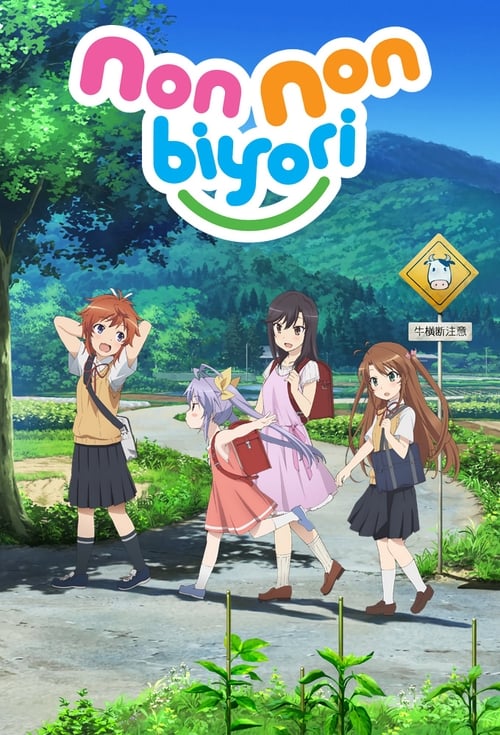
In the rural town of Asahigaoka, the story begins with a new school year at Asahigaoka Branch School, where only five students attend. The main character, Renge Miyauchi, a first grader, is introduced as she enjoys the peaceful countryside. Renge is characterized by her innocent curiosity and love for nature. She often engages in imaginative play, such as pretending to be a "sister" to her older classmates.
Renge's classmates include the energetic and somewhat mischievous second grader, Natsumi Koshigaya, who often tries to get a rise out of her friends. Natsumi's older sister, Komari Koshigaya, is a third grader who is very serious about her studies and often worries about her height, feeling pressure to appear more mature. The fourth grader, Hotaru Ichijo, transfers from the city and is initially shy but quickly becomes friends with the group.
The first major event occurs when Renge finds a flower in the field and decides to show it to her classmates. This simple act leads to a day of exploration and play, highlighting the beauty of their rural surroundings. The girls spend time together, showcasing their different personalities and how they interact with one another.
As the episodes progress, the girls experience various seasonal activities, such as celebrating the New Year. They visit a shrine, where Renge makes a wish for her family and friends. The scene is filled with traditional Japanese customs, and the girls' excitement is palpable as they partake in the festivities.
In another episode, the group decides to have a camping trip. They gather supplies and set off to a nearby forest. The camping experience is filled with laughter and minor mishaps, such as struggling to set up tents and cooking over a fire. Each character's personality shines through as they deal with the challenges of camping, showcasing their growth and camaraderie.
A pivotal moment occurs when Renge discovers a hidden talent for drawing. She begins to create illustrations of her friends and the nature around them. This revelation brings the group closer as they encourage her artistic pursuits, leading to a heartfelt scene where Renge shares her drawings with her classmates, who are genuinely impressed and supportive.
As summer approaches, the girls participate in a local festival. They wear yukatas and enjoy various festival games and food stalls. The atmosphere is vibrant, filled with colorful lights and laughter. Renge, Natsumi, Komari, and Hotaru each have their moments of joy and excitement, deepening their bonds as friends.
The series also explores the theme of change as Hotaru, who initially feels out of place, gradually finds her place within the group. Her character development is highlighted during a school project where she takes the lead, showcasing her growth in confidence and leadership.
In a particularly emotional episode, the girls face the reality of their small school and the possibility of it closing due to low enrollment. This news weighs heavily on them, leading to a heartfelt discussion about their memories and the importance of their time together. They decide to make the most of their remaining time, creating lasting memories.
As the school year comes to an end, the girls reflect on their experiences and the friendships they have built. They celebrate their time together with a farewell party, filled with laughter, tears, and promises to stay in touch. The emotional weight of their bond is palpable as they realize how much they have grown and changed throughout the year.
The final scenes depict the girls enjoying a peaceful day in the countryside, symbolizing the enduring nature of their friendship. Renge, with her innocent perspective, captures the essence of their experiences, leaving viewers with a sense of warmth and nostalgia for the simplicity of rural life and childhood friendships.









What is the ending?
In the ending of Non Non Biyori, the story concludes with the characters enjoying their time together in the countryside, reflecting on their experiences and the bonds they have formed. The final scenes capture the essence of their daily lives, emphasizing the simplicity and beauty of rural life.
As the series draws to a close, we see the characters engaging in their usual activities, such as playing outside, attending school, and spending time with each other. The warmth of their friendships is palpable, and the viewer is left with a sense of nostalgia and contentment.
The final episode of Non Non Biyori opens with a serene morning in the countryside, the sun rising over the lush green fields. Renge, the youngest of the group, is seen waking up in her home, her eyes sparkling with excitement for the day ahead. She quickly dresses and heads outside, where she is greeted by the familiar sights and sounds of nature. The chirping of birds and the gentle rustle of leaves create a peaceful atmosphere.
Scene transitions to the school, where Renge, along with her friends Hotaru, Natsumi, and Komari, gather for another day of learning and play. The classroom is filled with sunlight streaming through the windows, illuminating the cheerful faces of the girls. They share laughter and stories, showcasing their unique personalities--Renge's innocence, Hotaru's curiosity, Natsumi's playful mischief, and Komari's caring nature.
As the day progresses, the girls decide to spend their afternoon exploring the countryside. They venture into the fields, where they engage in various activities, such as picking flowers and playing games. The camera captures their joyful expressions, the vibrant colors of the flowers, and the vastness of the landscape, emphasizing the beauty of their rural surroundings.
In a particularly heartwarming scene, the girls gather around a small stream, where they skip stones and share their dreams for the future. Renge expresses her desire to continue enjoying the simple pleasures of life, while Hotaru shares her aspirations of learning more about the world. Natsumi, ever the jokester, lightens the mood with her antics, and Komari encourages everyone to cherish their time together.
As the sun begins to set, casting a golden hue over the fields, the girls sit together on a grassy hill, watching the sky change colors. They reflect on their experiences throughout the series, reminiscing about the fun times they've had and the challenges they've faced. Each character's growth is evident; Renge has blossomed into a more confident girl, Hotaru has become more adventurous, Natsumi has embraced her playful spirit, and Komari has learned to balance her responsibilities with enjoyment.
The final moments of the episode are filled with warmth and camaraderie. The girls make a pact to always cherish their friendship, no matter where life takes them. As they laugh and tease each other, the camera pans out, showing the picturesque landscape of the countryside, symbolizing the enduring beauty of their bond.
The series concludes with a sense of peace and fulfillment, leaving the audience with a heartwarming reminder of the importance of friendship, the joy of simple moments, and the beauty of rural life. Each character is left in a place of happiness, having grown closer through their shared experiences, and the viewer is left with a lingering sense of nostalgia for the carefree days of youth.
Is there a post-credit scene?
In the anime "Non Non Biyori," produced in 2013, there is indeed a post-credit scene that adds a light-hearted touch to the overall narrative. After the main credits roll, viewers are treated to a brief moment featuring the characters in a playful scenario.
The scene typically showcases the four main girls--Renge, Hotaru, Natsumi, and Komari--engaged in a light-hearted activity that reflects their personalities and the rural setting of their lives. For instance, they might be seen enjoying a moment of camaraderie, such as playing a game or sharing a snack, which emphasizes their close friendship and the simplicity of their daily lives in the countryside.
This post-credit moment encapsulates the essence of "Non Non Biyori," highlighting the themes of childhood innocence, friendship, and the beauty of rural life. It serves as a delightful conclusion to the episode, leaving viewers with a warm feeling and a smile, perfectly aligning with the show's overall tone.
What role does the school play in the characters' development?
The school in Non Non Biyori serves as a central hub for the characters' interactions and personal growth. It is a small, multi-grade school where Renge, Hotaru, Natsumi, and Komari attend classes together. The unique setting allows for a blend of different age groups, fostering a sense of camaraderie and mentorship among the students. Through school activities, such as sports days and cultural festivals, the characters learn valuable lessons about teamwork, responsibility, and the importance of friendship. These experiences contribute to their emotional development and strengthen their bonds.
What are the main character's personalities and how do they interact with each other?
The main characters of Non Non Biyori are Renge Miyauchi, Hotaru Ichijo, Natsumi Koshigaya, and Komari Koshigaya. Renge, a first grader, is curious and innocent, often bringing a whimsical perspective to situations. Hotaru, a transfer student, is more mature and serious, yet she admires Renge's childlike wonder. Natsumi, the middle schooler, is energetic and somewhat mischievous, often teasing her sister Komari, who is the eldest and tries to act responsibly but is often seen as childish. Their interactions are filled with playful banter, moments of support, and the occasional conflict, showcasing the dynamics of friendship and sibling relationships.
What is Renge's unique hobby and how does it affect her character?
Renge has a unique hobby of collecting and observing nature, particularly flowers and insects. This hobby reflects her inquisitive nature and her deep appreciation for the simple beauty of rural life. It often leads her to explore the countryside, where she finds joy in small discoveries, such as a new flower or a bug. This aspect of her character not only highlights her innocence but also serves as a catalyst for many of the show's heartwarming moments, as her enthusiasm often inspires her friends to join her in her explorations.
How does the setting of Asahigaoka influence the characters' daily lives?
The setting of Asahigaoka, a rural village, significantly influences the characters' daily lives by providing a backdrop of natural beauty and tranquility. The slow-paced lifestyle allows the characters to engage in various outdoor activities, such as playing in fields, fishing, and exploring the countryside. The lack of urban distractions fosters a close-knit community where the characters can bond over simple pleasures, like watching the sunset or enjoying seasonal festivals. This serene environment shapes their interactions and the overall tone of the series, emphasizing themes of friendship and the joys of childhood.
How does the show depict the changing seasons and their impact on the characters?
Non Non Biyori beautifully depicts the changing seasons, which play a significant role in the narrative and the characters' experiences. Each season brings new activities and traditions, such as cherry blossom viewing in spring, summer festivals, autumn harvests, and winter snowball fights. These seasonal changes not only provide a picturesque backdrop but also influence the characters' moods and interactions. For instance, the arrival of spring brings a sense of renewal and excitement, while winter evokes feelings of nostalgia and warmth as the characters gather indoors. This cyclical nature of the seasons enhances the show's themes of growth and the passage of time.
Is this family friendly?
"Non Non Biyori" is generally considered a family-friendly anime, focusing on the everyday lives of children in a rural setting. The show emphasizes themes of friendship, childhood innocence, and the beauty of nature. However, there are a few aspects that some viewers, particularly sensitive individuals or parents, might find slightly objectionable or upsetting:
-
Mild Language: There are occasional uses of mild language that may not be suitable for very young children, though nothing extreme.
-
Cultural References: Some humor and cultural references may be lost on younger viewers, which could lead to confusion rather than offense.
-
Character Dynamics: The interactions between characters sometimes include teasing or playful bullying, which could be interpreted as unkindness, though it is generally light-hearted.
-
Themes of Loneliness: There are moments that touch on feelings of loneliness or isolation, particularly in the context of rural life, which might resonate differently with sensitive viewers.
-
Nature and Wildlife: The show features scenes of nature that include insects and animals, which might be unsettling for some children who have a fear of bugs or certain wildlife.
Overall, while "Non Non Biyori" is light-hearted and wholesome, these elements may require parental guidance for younger viewers.