






Popular
What are Umaru's two distinct personalities and how do they affect her relationships with others?
How does Taihei's role as Umaru's older brother influence the dynamics of their household?
What role do Umaru's friends play in her life and how do they react to her dual personality?
What are some key comedic moments that arise from Umaru's behavior at home?
How does Umaru's relationship with her mother influence her character development throughout the series?
Should I watch it?
Ask Your Own Question

What is the plot?
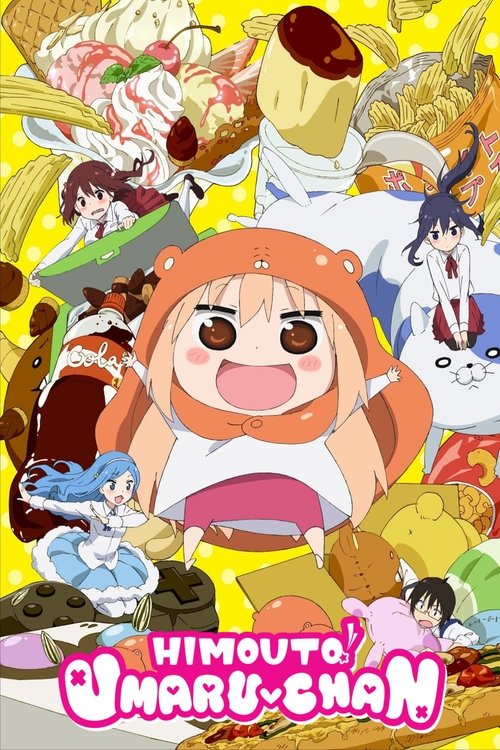
Umaru Doma is introduced as a seemingly perfect high school girl who excels academically and is admired by her peers. However, when she returns home, she transforms into a lazy, gluttonous version of herself, indulging in video games, junk food, and anime. This duality is a central theme of her character, showcasing her contrasting personalities. Her older brother, Taihei Doma, works hard to support her and is often exasperated by her behavior at home.
One day, Umaru's friends, including the cheerful and energetic Kirie Motoba, visit her home. They are shocked to discover her true nature as a lazy otaku. Umaru tries to hide her habits but ultimately fails, leading to humorous situations where she must balance her public persona with her private life. Taihei, who is aware of her true self, often finds himself cleaning up after her and trying to keep her in check.
As the story progresses, Umaru's interactions with her friends deepen. She invites them over for a gaming session, where they bond over their shared interests. However, Umaru's competitive nature leads to her trying to outdo her friends, resulting in both comedic and heartfelt moments. Kirie, who is initially intimidated by Umaru's popularity, begins to see her as a close friend, and they develop a supportive relationship.
In another episode, Umaru's laziness leads to a series of mishaps at home. Taihei comes home to find the apartment in disarray, and Umaru's attempts to clean up only make things worse. This culminates in a chaotic scene where Umaru's friends come over unexpectedly, forcing her to scramble to hide her true self. The tension between her two personas creates a comedic yet relatable conflict.
Umaru's relationship with Taihei is explored further when he takes on extra work to support her lifestyle. Umaru feels guilty about his sacrifices and tries to help him by cooking dinner, but her lack of cooking skills leads to disastrous results. This moment highlights her desire to contribute and her struggle with her own shortcomings.
As the series continues, Umaru's friends, including the shy and reserved Ebina, become more involved in her life. They share their own struggles and insecurities, creating a sense of camaraderie among the group. Umaru learns to appreciate her friends' support and begins to step out of her comfort zone, participating in activities outside of her home.
A significant plot point occurs when Umaru decides to join a school event, pushing herself to engage more with her peers. She faces challenges in balancing her responsibilities and her desire to have fun. This leads to a pivotal moment where she must choose between her lazy habits and the opportunity to create lasting memories with her friends.
The climax of the series revolves around a sports festival at school. Umaru initially dreads the idea of participating, fearing it will expose her true self. However, with encouragement from her friends, she decides to join in. The event showcases her competitive spirit and determination, leading to a series of humorous and intense moments as she competes against her classmates.
In the final episodes, Umaru's growth is evident as she learns to embrace both sides of her personality. She finds a balance between her responsibilities and her hobbies, ultimately becoming a more well-rounded individual. The series concludes with a heartwarming scene where Umaru and her friends celebrate their friendship, solidifying the bonds they have formed throughout their experiences together.
More TV Shows Like This
Browse All TV Shows →





What is the ending?
In the final episode of Himouto! Umaru-chan, Umaru and her friends enjoy a day at the beach, where they bond and create lasting memories. The episode concludes with Umaru reflecting on her time with her brother, Taihei, and her friends, emphasizing the importance of family and friendship.
As the episode begins, the sun shines brightly over the beach, casting a warm glow on the sand and the waves. Umaru, dressed in a vibrant swimsuit, is filled with excitement as she runs towards the water, her laughter echoing in the air. Taihei, her older brother, watches her with a mix of pride and concern, ensuring she stays safe while also wanting her to enjoy herself.
Umaru's friends, including the shy and reserved Kirie and the energetic and cheerful Sylphynford, join her in the water. They splash around, their laughter mingling with the sound of the waves. Kirie, initially hesitant, gradually opens up, her face lighting up with joy as she participates in the fun. Sylphynford, always competitive, challenges Umaru to a race, and the two dash through the water, their playful rivalry showcasing their friendship.
As the day progresses, the group takes a break from swimming and sets up a picnic on the beach. Taihei prepares food, showcasing his caring nature as he ensures everyone has enough to eat. The scene is filled with warmth as they share stories and enjoy each other's company, highlighting the bond they have formed over time. Umaru, in her usual playful manner, teases Taihei, but there's an underlying affection in her antics, revealing her deep appreciation for him.
Later, as the sun begins to set, casting a golden hue over the beach, the group gathers to watch the sunset. Umaru leans against Taihei, her expression softening as she reflects on the day. She feels a sense of contentment, realizing how much her brother and friends mean to her. The moment is poignant, capturing the essence of family and friendship that has been a recurring theme throughout the series.
The episode concludes with a montage of their day at the beach, filled with laughter, joy, and the warmth of companionship. As the screen fades to black, Umaru's voiceover expresses her gratitude for the moments spent with her brother and friends, emphasizing that these memories will always hold a special place in her heart.
In the end, Taihei remains the supportive older brother, continuing to care for Umaru while also allowing her to grow and enjoy her friendships. Umaru, having experienced a day filled with joy and connection, cherishes her relationships, understanding their importance in her life. Kirie and Sylphynford, having strengthened their bonds with Umaru, leave the beach with smiles, looking forward to more adventures together. The episode closes on a hopeful note, encapsulating the series' themes of love, friendship, and the joy of shared experiences.
Is there a post-credit scene?
In the anime "Himouto! Umaru-chan," there is indeed a post-credit scene that appears at the end of several episodes. These scenes often feature humorous and light-hearted moments that further showcase Umaru's dual life as a perfect student and a lazy, gaming otaku at home.
One notable post-credit scene occurs in Episode 1, where after the main story concludes, viewers see Umaru in her hamster form, which is a cute and chibi-like version of herself. She is seen playfully interacting with her brother, Taihei, who is trying to get her to eat healthy food. Umaru, however, cleverly evades his attempts, showcasing her mischievous nature. This scene encapsulates her playful spirit and the dynamic between her and Taihei, highlighting the comedic elements of their sibling relationship.
These post-credit moments serve to reinforce the show's themes of family, the contrast between Umaru's public and private personas, and the lighthearted humor that permeates the series. Each scene is designed to leave the audience with a smile, emphasizing the charm of Umaru's character and her antics.
What are Umaru's two distinct personalities and how do they affect her relationships with others?
Umaru Doma, the protagonist, has two distinct personalities: her public persona as a perfect, model student and her private persona as a lazy, gaming otaku. In public, she is admired for her beauty, intelligence, and athleticism, which earns her the respect of her peers and teachers. However, when she returns home, she transforms into a carefree, gluttonous version of herself, indulging in junk food, video games, and anime. This duality creates tension in her relationship with her older brother, Taihei, who struggles to balance his responsibilities as her caretaker with his desire to see her succeed. Umaru's contrasting behaviors lead to comedic situations and highlight her internal conflict between societal expectations and her true self.
How does Taihei's role as Umaru's older brother influence the dynamics of their household?
Taihei Doma, Umaru's older brother, takes on a parental role in their household, often sacrificing his own social life and personal ambitions to care for Umaru. His dedication is evident in his efforts to provide for her, cooking meals, and ensuring she stays on track with her studies. However, this dynamic also leads to moments of frustration for Taihei, as he grapples with Umaru's laziness and her tendency to manipulate situations to her advantage. His internal struggle is portrayed through his exasperation and occasional moments of tenderness, showcasing the deep bond they share despite the challenges of their living arrangement.
What role do Umaru's friends play in her life and how do they react to her dual personality?
Umaru's friends, including the diligent and responsible Kirie Motoba, the cheerful and supportive Sylphynford Tachibana, and the shy yet kind-hearted Umaru's classmate, play significant roles in her life. They initially admire her public persona, unaware of her true nature at home. As the series progresses, they begin to witness Umaru's lazy side, leading to a mix of shock, amusement, and acceptance. Kirie, in particular, becomes a source of conflict and camaraderie, as she embodies the opposite of Umaru's carefree attitude. Their interactions highlight themes of friendship, acceptance, and the importance of being true to oneself, as they learn to appreciate Umaru for who she is, both in and out of her 'Himouto' persona.
What are some key comedic moments that arise from Umaru's behavior at home?
Several key comedic moments arise from Umaru's behavior at home, particularly her antics when she is in her 'Himouto' mode. One notable scene involves her sneaking snacks and hiding them from Taihei, leading to a series of humorous misunderstandings as she tries to maintain her facade of being a perfect sister. Another memorable moment occurs when she enlists the help of her friends to cover for her laziness, resulting in chaotic situations that spiral out of control. These comedic elements not only provide entertainment but also serve to highlight the contrast between Umaru's public image and her true self, showcasing her playful yet irresponsible nature.
How does Umaru's relationship with her mother influence her character development throughout the series?
Umaru's relationship with her mother, who is often mentioned but rarely seen, significantly influences her character development. The absence of their mother, who passed away when Umaru was young, creates a void in Umaru's life, leading her to seek comfort in her brother and her hobbies. This loss contributes to her desire to escape reality through her 'Himouto' persona, as she grapples with feelings of loneliness and the pressure to live up to expectations. Throughout the series, flashbacks and conversations about their mother reveal Umaru's longing for familial connection and her struggle to find her place in the world, ultimately driving her growth as she learns to balance her responsibilities with her desire for freedom.
Is this family friendly?
"Himouto! Umaru-chan" is generally considered a family-friendly anime, but there are a few aspects that might be seen as objectionable or upsetting for children or sensitive viewers.
-
Laziness and Sloth: Umaru often displays a lack of motivation to engage in productive activities, preferring to laze around and play video games. This portrayal of sloth may not be ideal for younger audiences.
-
Sibling Dynamics: The relationship between Umaru and her older brother, Taihei, can sometimes be strained. Umaru's manipulative behavior, where she takes advantage of Taihei's kindness, might be concerning for some viewers.
-
Mild Suggestive Themes: There are occasional scenes that include mild suggestive humor or innuendos, which may not be suitable for all children.
-
Social Anxiety: Some characters exhibit social anxiety or awkwardness, which could resonate negatively with sensitive viewers.
-
Competitive Behavior: The show features competitive scenarios, particularly in gaming, which may lead to frustration or disappointment for younger viewers.
Overall, while the series is light-hearted and comedic, these elements may warrant parental guidance for younger audiences.









