







Popular
What motivates Jack Ryan to leave his job as a financial analyst and become involved in the CIA?
How does the character of James Greer evolve throughout the series?
What is the significance of the character Al-Qaeda leader Suleiman in the first season?
How does the relationship between Jack Ryan and his girlfriend Cathy Mueller develop throughout the series?
What role does the setting of various international locations play in the plot of the first season?
Should I watch it?
Ask Your Own Question

What is the plot?
The series begins with Jack Ryan, a former Marine turned financial analyst for the CIA, who is working in a desk job analyzing terrorist financing. He is deeply troubled by the lack of action in his role and feels a strong desire to make a difference. During his analysis, he uncovers a series of suspicious bank transfers linked to a mysterious figure named Suleiman, a terrorist with ties to a radical group. Jack's findings lead him to believe that these transactions are funding terrorist activities.
Jack's supervisor, James Greer, recognizes the significance of Jack's discovery and decides to send him to Yemen to investigate further. Jack is initially hesitant, feeling out of his depth, but Greer encourages him, emphasizing the importance of the mission. Jack travels to Yemen, where he meets with local contacts and begins to piece together Suleiman's operations. He learns that Suleiman is planning a major attack, which heightens the urgency of their investigation.
As Jack delves deeper, he faces numerous challenges, including cultural barriers and the dangers of operating in a war-torn country. He witnesses the harsh realities of life in Yemen, which fuels his determination to stop Suleiman. Jack's emotional state fluctuates between fear and resolve as he grapples with the weight of his responsibilities. He also develops a bond with a local woman named Hanin, who provides him with insights into the local situation and the impact of terrorism on her community.
Meanwhile, Suleiman is introduced as a complex antagonist. He is shown to be a devoted family man, which adds depth to his character. His motivations are rooted in a desire for revenge against the West, stemming from personal loss and a belief in his cause. This duality makes him a formidable opponent for Jack, who is trying to understand the motivations behind the terror he is trying to thwart.
As Jack gathers more intelligence, he discovers that Suleiman is planning a large-scale attack on a Western target. He relays this information back to the CIA, but the bureaucratic process slows down their response. Frustrated by the lack of urgency, Jack takes matters into his own hands, leading to a series of high-stakes operations to thwart the impending attack. He collaborates with Greer and a team of operatives, which includes a tense raid on a terrorist hideout.
During the raid, Jack and his team encounter heavy resistance. The scene is chaotic, with gunfire erupting as they breach the compound. Jack's military training kicks in, and he takes charge, directing his team while also trying to locate Suleiman. The tension escalates as they navigate through the compound, facing booby traps and armed guards. Jack's determination to stop Suleiman drives him forward, even as he risks his own life.
In a climactic confrontation, Jack finally comes face-to-face with Suleiman. The two engage in a tense standoff, where Jack tries to reason with Suleiman, appealing to his humanity. However, Suleiman is resolute in his beliefs and refuses to back down. The confrontation escalates into a physical struggle, with Jack ultimately managing to subdue Suleiman, but not without sustaining injuries himself.
After the confrontation, Jack is hailed as a hero for his role in preventing the attack. However, the emotional toll of the events weighs heavily on him. He grapples with the moral complexities of his actions and the impact of violence on both sides. The series ends with Jack returning to his desk job, but he is forever changed by his experiences. He realizes that the fight against terrorism is far from over, setting the stage for future challenges.




What is the ending?
In the ending of Tom Clancy's Jack Ryan, Season 1, Jack Ryan successfully thwarts a terrorist attack orchestrated by the antagonist, Suleiman. He confronts Suleiman in a tense standoff, ultimately leading to Suleiman's death. The season concludes with Jack returning to his life, reflecting on the personal toll of his work, while his colleague, James Greer, is promoted, and the threat of terrorism looms larger than ever.
As the final episode unfolds, the tension escalates in the heart of Yemen. Jack Ryan, portrayed by John Krasinski, is on a mission to stop the terrorist leader, Suleiman, who has been orchestrating a series of deadly attacks. The scene opens with Jack and his team, including James Greer, played by Wendell Pierce, racing against time to locate Suleiman before he can execute his plan to detonate a bomb at a crowded event.
The camera cuts to a dimly lit warehouse where Suleiman is hiding. Jack, armed and determined, leads a tactical team through the shadows, their faces illuminated by the flickering lights. The atmosphere is thick with anticipation and fear. Jack's internal conflict is palpable; he is driven by a sense of duty but is also haunted by the violence he has witnessed. As they breach the warehouse, the team encounters heavy resistance, gunfire erupting around them. Jack's heart races as he navigates the chaos, his focus unwavering.
In a pivotal moment, Jack confronts Suleiman in a tense standoff. The two men exchange heated words, revealing their contrasting ideologies. Suleiman, played by Ali Suliman, is calm yet menacing, embodying the threat that Jack has been fighting against. Jack's determination is evident as he tries to reason with Suleiman, but the terrorist remains resolute in his mission. The standoff culminates in a violent confrontation, where Jack is forced to make a split-second decision. In a heart-stopping moment, he shoots Suleiman, ending the immediate threat but leaving Jack with the weight of his actions.
As the dust settles, the scene shifts to Jack's return to the United States. He is visibly shaken, grappling with the emotional aftermath of the mission. The camera captures his weary expression, a stark contrast to the confident demeanor he displayed earlier. Jack's internal struggle is highlighted as he reflects on the cost of his work, the lives lost, and the ongoing threat of terrorism that still looms.
Meanwhile, James Greer receives a promotion, a recognition of his leadership and bravery throughout the mission. The scene transitions to a celebratory atmosphere, but the joy is tinged with the somber reality of their experiences. Greer, proud yet aware of the sacrifices made, shares a moment of camaraderie with Jack, acknowledging the bond forged through their harrowing journey.
The season concludes with a sense of unresolved tension. Jack stands alone, looking out over the city, contemplating the future. The final shot lingers on his face, a mixture of resolve and uncertainty, as the screen fades to black. The audience is left with the understanding that while one battle has been won, the war against terrorism continues, and Jack Ryan's journey is far from over.
Is there a post-credit scene?
In the 2018 series "Tom Clancy's Jack Ryan," there is no post-credit scene following the episodes. The show concludes each episode without any additional scenes or teasers that typically characterize post-credit sequences in other series or films. The focus remains on the unfolding narrative and character development throughout the episodes, with each ending leading directly into the next part of the story. The absence of a post-credit scene allows for a more seamless transition between episodes, emphasizing the ongoing tension and stakes of Jack Ryan's mission.
What motivates Jack Ryan to leave his job as a financial analyst and become involved in the CIA?
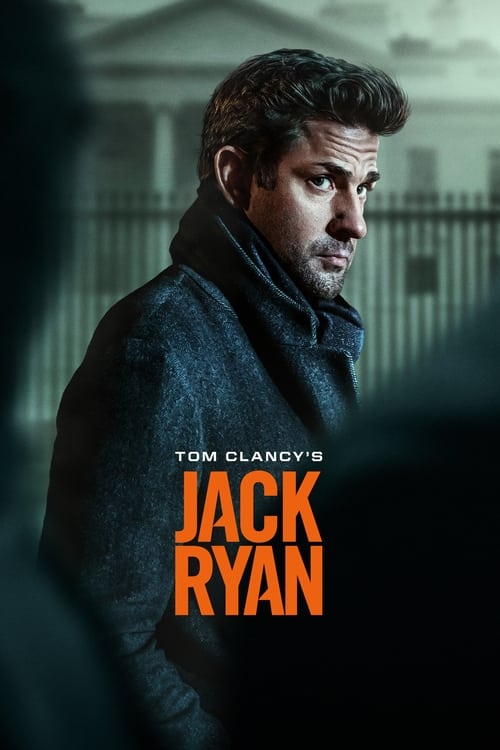
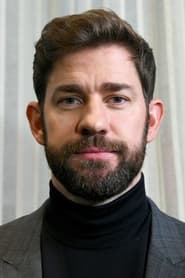
Jack Ryan, played by John Krasinski, is initially a financial analyst who becomes embroiled in the world of intelligence after he uncovers suspicious financial transactions linked to terrorist activities. His strong sense of duty and moral obligation to protect innocent lives drives him to leave his comfortable job and join the CIA, where he believes he can make a significant impact in combating terrorism.
How does the character of James Greer evolve throughout the series?
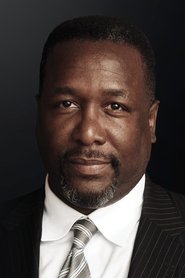
James Greer, portrayed by Wendell Pierce, starts as a seasoned CIA officer who is initially skeptical of Jack Ryan's capabilities. As the series progresses, Greer becomes a mentor to Ryan, recognizing his potential and intelligence. Greer's character evolves from a hardened operative to a supportive figure, showcasing his own vulnerabilities and the weight of his past experiences, particularly as he grapples with the moral complexities of their missions.
What is the significance of the character Al-Qaeda leader Suleiman in the first season?
Suleiman, played by Ali Suliman, serves as the primary antagonist in the first season. His character is significant as he embodies the threat of global terrorism that Jack Ryan and the CIA are trying to combat. Suleiman's motivations are rooted in a desire for revenge and a twisted sense of justice, which creates a personal and ideological conflict with Ryan, highlighting the complexities of fighting against an enemy that is driven by deep-seated beliefs.
How does the relationship between Jack Ryan and his girlfriend Cathy Mueller develop throughout the series?
Cathy Mueller, portrayed by Abbie Cornish, is introduced as Jack Ryan's girlfriend, and their relationship is tested throughout the series. Initially supportive, Cathy becomes increasingly concerned about Jack's safety and the secrecy surrounding his work. As Jack becomes more involved in dangerous missions, their relationship faces strain, showcasing the emotional toll that Jack's commitment to his job takes on their personal lives. Their dynamic reflects the challenges of balancing love and duty.
What role does the setting of various international locations play in the plot of the first season?
The first season of Tom Clancy's Jack Ryan takes viewers through various international locations, including Yemen and the United States, which play crucial roles in the plot. Each setting is meticulously crafted to reflect the geopolitical tensions and cultural nuances that influence the characters' actions. The contrasting environments--from the chaotic streets of Yemen to the sterile offices of the CIA--heighten the stakes of the narrative, emphasizing the global nature of terrorism and the interconnectedness of the characters' fates.
Is this family friendly?
"Tom Clancy's Jack Ryan," produced in 2018, is primarily an action-thriller series that contains several elements that may not be suitable for children or sensitive viewers. Here are some potentially objectionable or upsetting aspects:
-
Violence: The series features intense action sequences, including gunfights, explosions, and hand-to-hand combat. There are scenes depicting injuries and death, which can be graphic and unsettling.
-
Terrorism Themes: The plot revolves around terrorism and includes discussions of extremist ideologies. This can be distressing for younger viewers or those sensitive to such topics.
-
Language: The dialogue includes strong language and profanity, which may not be appropriate for all audiences.
-
Mature Themes: The series explores complex themes such as betrayal, moral ambiguity, and the psychological toll of war, which may be difficult for younger viewers to fully understand or process.
-
Emotional Turmoil: Characters experience significant emotional distress, including fear, anxiety, and loss, which can be intense and may resonate deeply with sensitive viewers.
-
Death and Loss: The series addresses the impact of violence on families and communities, showcasing the emotional aftermath of loss, which can be heavy and impactful.
Overall, while "Tom Clancy's Jack Ryan" is a gripping and well-crafted series, its content may not be suitable for children or those who are sensitive to violence and mature themes.