















Popular
What are the main challenges that Yossarian faces throughout the series?
How does Milo Minderbinder's character influence the events in the series?
What role does Doc Daneeka play in Yossarian's struggles?
How does the character of Colonel Cathcart contribute to the narrative?
What is the significance of the character of Nately in the story?
Should I watch it?
Ask Your Own Question

What is the plot?
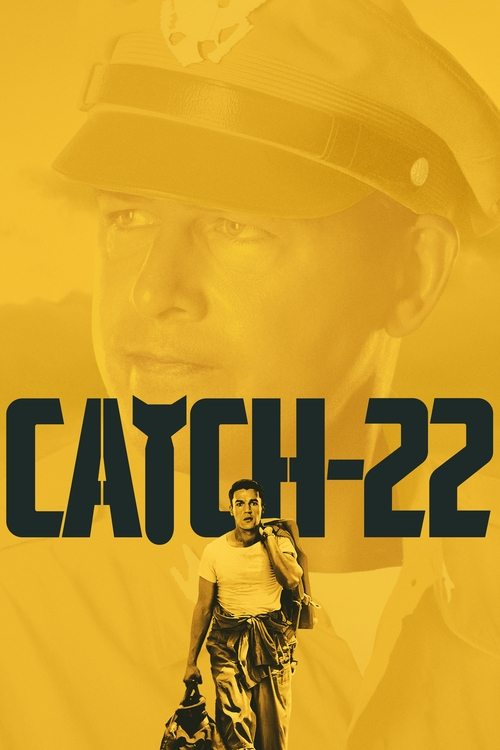
In the opening scenes of "Catch-22," we are introduced to Captain John Yossarian, a U.S. Army Air Forces B-25 bombardier during World War II, who is in a hospital in Italy, feigning illness to avoid flying more combat missions. He is haunted by the war and the absurdity of military bureaucracy. Yossarian's internal monologue reveals his deep desire to survive and his growing frustration with the war and the people in charge.
Yossarian's situation is complicated by the presence of his fellow soldiers, including Milo Minderbinder, a mess officer who is obsessed with profit and runs a black market operation. Milo's schemes often lead to absurd and dangerous situations, highlighting the ridiculousness of war. Yossarian's interactions with Milo reveal the stark contrast between the soldiers' experiences and the profit-driven motives of those like Milo.
As Yossarian continues to evade combat, he encounters various characters, including Doc Daneeka, the flight surgeon who is apathetic and more concerned about his own well-being than the soldiers' health. Doc Daneeka explains the concept of Catch-22, a bureaucratic rule that states a soldier can be declared insane and grounded if he requests it, but if he requests it, he is considered sane and must continue flying missions. This paradox becomes a central theme of the story, illustrating the absurdity of military logic.
Yossarian's frustration grows as he learns that the number of missions required to complete his service keeps increasing. Colonel Cathcart, his commanding officer, is more concerned with his own reputation than the lives of his men, constantly raising the mission quota to impress higher-ups. Yossarian's desperation leads him to seek ways to escape the war, including contemplating desertion.
The narrative shifts to Yossarian's friend, Lieutenant Nately, who is infatuated with a prostitute named Luciana. Nately's romantic pursuits provide a stark contrast to Yossarian's cynical view of love and war. Their interactions highlight the personal struggles of soldiers trying to find meaning in a chaotic environment.
As the story progresses, Yossarian witnesses the death of his friend, Captain Orr, during a mission. Orr's apparent incompetence and odd behavior are later revealed to be part of a clever plan to escape the war. This event deepens Yossarian's resolve to find a way out of the conflict, as he grapples with the loss of his comrades and the futility of their sacrifices.
Yossarian's attempts to confront Colonel Cathcart and express his desire to be grounded are met with indifference. Cathcart's obsession with accolades and promotions blinds him to the reality of the soldiers' suffering. Yossarian's frustration culminates in a confrontation with his fellow officers, where he expresses his disdain for the war and the absurdity of their situation.
In a pivotal moment, Yossarian learns about the death of his friend, the soldier who was killed during a mission. This event serves as a catalyst for Yossarian's decision to take a stand against the war. He becomes increasingly disillusioned with the military and the bureaucratic system that perpetuates the conflict.
Yossarian's journey leads him to a series of encounters with various characters, including Major Danby, who represents the futility of trying to reason with the military establishment. Danby's attempts to rationalize the war only deepen Yossarian's sense of hopelessness. The absurdity of their conversations highlights the disconnect between the soldiers' experiences and the military's objectives.
As Yossarian's mental state deteriorates, he becomes more determined to escape the war. He devises a plan to desert, but his attempts are thwarted by the ever-present Catch-22. The narrative explores the psychological toll of war on Yossarian and his fellow soldiers, as they grapple with their mortality and the absurdity of their situation.
In a climactic sequence, Yossarian witnesses a bombing raid that results in the destruction of a village and the loss of innocent lives. This event solidifies his resolve to escape the war at any cost. He confronts the moral implications of his actions and the impact of the war on civilians, further fueling his desire to flee.
Yossarian's final decision comes after a confrontation with Colonel Cathcart and Major Major, where he realizes that he cannot continue to participate in a system that values ambition over human life. He ultimately chooses to desert, rejecting the military's authority and the absurdity of Catch-22.
The series concludes with Yossarian's escape, as he makes a daring decision to swim to safety, symbolizing his rejection of the war and the bureaucratic system that has trapped him. His journey reflects the struggle for autonomy in a world defined by chaos and absurdity, leaving viewers with a sense of the ongoing battle between individual agency and institutional control.




What is the ending?
In the ending of the 2019 TV show "Catch-22," Yossarian makes a pivotal decision to escape the war by refusing to fly any more missions. He confronts Colonel Cathcart and Colonel Korn, ultimately choosing to desert the army in order to save himself. The series concludes with Yossarian's determination to find freedom, leaving behind the chaos and absurdity of war.
As the final episodes unfold, we see Yossarian grappling with the absurdity of his situation. The narrative builds tension as he faces the relentless demands of military bureaucracy and the dangers of war.
In the penultimate episode, Yossarian is haunted by the loss of his friends, particularly the death of his close companion, Nately, who was killed in action. This loss weighs heavily on him, deepening his sense of despair and futility. He witnesses the senselessness of the war, as the lives of his fellow soldiers are sacrificed for arbitrary reasons. The emotional toll of these experiences drives Yossarian to a breaking point.
In a critical scene, Yossarian confronts Colonel Cathcart and Colonel Korn in their office. He expresses his frustration and desperation, articulating the madness of the war and the Catch-22 that binds him. The colonels, embodying the absurdity of military logic, dismiss his concerns, insisting that he must continue to fly missions. Yossarian's internal conflict reaches its peak as he realizes that the only way to reclaim his life is to take drastic action.
In the final moments, Yossarian makes the bold decision to desert the army. He runs through the chaos of the military base, symbolizing his rejection of the war and the oppressive system that has ensnared him. He is determined to escape the cycle of violence and madness that has consumed his life and the lives of those around him.
As he reaches the edge of the base, Yossarian encounters a soldier who represents the possibility of hope and freedom. This encounter reinforces his resolve to leave the war behind. The series closes with Yossarian's flight from the military, leaving viewers with a sense of his newfound determination to seek a life beyond the horrors of war.
The fates of the main characters are starkly contrasted in this conclusion. Yossarian, who has fought against the absurdity of his situation, chooses to abandon the war, seeking a path to freedom. In contrast, characters like Milo Minderbinder continue to thrive within the military-industrial complex, embodying the very system Yossarian rejects. The series ends on a note of defiance, highlighting Yossarian's struggle for autonomy in a world defined by chaos and irrationality.
Is there a post-credit scene?
The 2019 adaptation of "Catch-22" does not include a post-credit scene. The series concludes with its final episode, wrapping up the story without any additional scenes or content after the credits roll. The focus remains on the intense and often absurd experiences of Captain John Yossarian and his fellow soldiers during World War II, leaving viewers with a poignant sense of the characters' struggles and the overarching themes of the narrative.
What are the main challenges that Yossarian faces throughout the series?
Yossarian, a U.S. Army Air Forces B-25 bombardier, grapples with the absurdity of war and the bureaucratic madness surrounding him. He is haunted by the constant threat of death, both from enemy fire and the relentless demands of his superiors. His primary challenge is to survive the war while maintaining his sanity, as he witnesses the senseless loss of life, including the death of his friend, and struggles against the Catch-22 rule that prevents him from escaping dangerous missions.
How does Milo Minderbinder's character influence the events in the series?
Milo Minderbinder is a mess officer who embodies capitalism and the absurdity of war. His character influences events by creating a black market that prioritizes profit over morality. He engages in increasingly bizarre and unethical deals, such as trading with the enemy, which leads to dire consequences for the squadron. His actions highlight the absurdity of the military bureaucracy and the lengths to which individuals will go for personal gain, ultimately affecting the lives of Yossarian and his comrades.
What role does Doc Daneeka play in Yossarian's struggles?
Doc Daneeka, the squadron's flight surgeon, represents the futility and frustration of military medicine. He is deeply cynical and feels trapped in his role, often expressing his own desire to escape the war. His interactions with Yossarian reveal the helplessness of those trying to navigate the absurdities of military life. Doc's inability to help Yossarian effectively, combined with his own complaints about being overworked and underappreciated, underscores the theme of isolation and the struggle for self-preservation amidst chaos.
How does the character of Colonel Cathcart contribute to the narrative?
Colonel Cathcart is obsessed with his own reputation and advancement, often increasing the number of missions for the squadron to impress higher-ups. His self-serving nature and desire for glory lead to dangerous situations for the men under his command, including Yossarian. Cathcart's character embodies the bureaucratic incompetence and moral ambiguity of military leadership, as he prioritizes his career over the lives of his soldiers, creating a sense of betrayal and frustration among the crew.
What is the significance of the character of Nately in the story?
Nately is a young, idealistic bombardier who falls in love with a prostitute in Rome. His character represents innocence and the desire for connection amidst the horrors of war. Nately's relationship with the prostitute highlights the stark contrast between love and the brutality of their surroundings. His eventual fate serves as a poignant commentary on the loss of youth and the senselessness of war, deeply affecting Yossarian and further fueling his desire to escape the conflict.
Is this family friendly?
The 2019 adaptation of "Catch-22" is not considered family-friendly due to its mature themes and content. Here are some potentially objectionable or upsetting aspects that may affect children or sensitive viewers:
-
War Violence: The series depicts the brutal realities of war, including graphic scenes of combat, injuries, and death, which can be distressing.
-
Mental Health Struggles: Characters experience significant psychological trauma, including anxiety and depression, which may resonate deeply with sensitive viewers.
-
Sexual Content: There are scenes that involve sexual situations and suggestive themes, which may not be appropriate for younger audiences.
-
Substance Abuse: Characters engage in drinking and drug use, portraying the escapism and coping mechanisms some soldiers resort to during wartime.
-
Dark Humor: The series employs a satirical tone that addresses serious issues, which may be unsettling for those who prefer straightforward narratives.
-
Moral Ambiguity: The characters often face ethical dilemmas and moral conflicts, which can provoke discomfort and provoke deeper reflection on the nature of war and humanity.
These elements contribute to the overall tone of the series, making it more suitable for mature audiences.