










Popular
What is the backstory of Sakura Minamoto and how does it affect her character development?
How does the character of Kotaro Tatsumi influence the other members of the zombie idol group?
What challenges does the group face during their performances, and how do they overcome them?
How does the character of Ai Miyamoto contribute to the group's dynamics and what is her personal struggle?
What role does the setting of Saga Prefecture play in the story and the characters' development?
Should I watch it?
Ask Your Own Question

What is the plot?
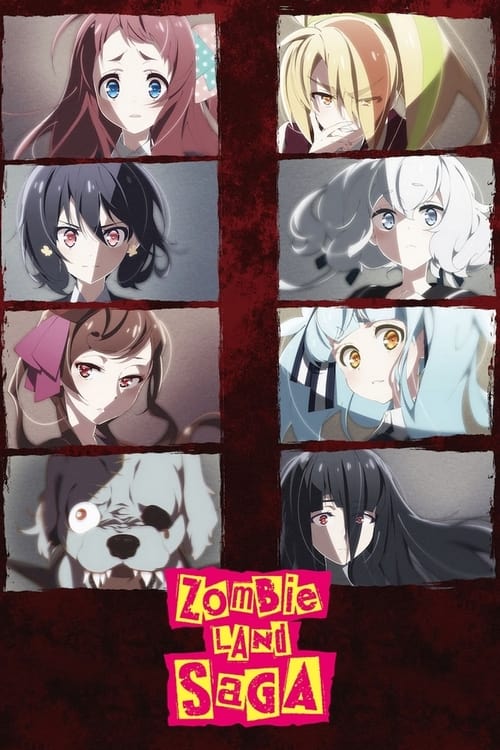
In the year 2008, a high school girl named Sakura Minamoto is excitedly on her way to an audition for a local idol group. As she daydreams about her future, she is suddenly struck by a truck and dies. The scene shifts to ten years later, in 2018, where the world has been overrun by zombies due to a mysterious epidemic. The setting is Fukuoka, Japan, where the undead roam the streets.
Sakura awakens in a dilapidated building, confused and disoriented. She soon discovers that she is a zombie, but retains her memories and emotions. A man named Kotaro Tatsumi, who is revealed to be a producer, appears and explains that he has resurrected her along with other girls to form a zombie idol group. He believes that they can become famous and save the world through music. Sakura is initially resistant to the idea, feeling lost and overwhelmed by her new existence.
Kotaro introduces Sakura to the other members of the group: Ai Miyamoto, a former idol from the 2000s; Junko Konno, a high school girl who was a popular student; Lily Hoshikawa, a young girl who was a child star; and Tae Yamada, a silent but powerful zombie who was once a legendary singer. Each girl has her own backstory and emotional baggage, which they must confront as they navigate their new lives as zombies.
The group begins their training, but they struggle to find their footing. Sakura, motivated by her desire to fulfill her dream of being an idol, takes the lead in encouraging the others. They face various challenges, including their inability to perform due to their zombie nature, which leads to comedic and awkward situations. Despite the difficulties, they bond over their shared experiences and begin to form a sense of camaraderie.
Their first public performance is at a local festival, where they are met with skepticism and fear from the audience. However, they manage to win over the crowd with their enthusiasm and unique charm. The performance is chaotic, with the girls' zombie traits causing unexpected mishaps, but they ultimately succeed in capturing the audience's attention. This moment marks a turning point for the group, as they begin to gain recognition and support.
As they continue to perform, the girls face various obstacles, including rival idol groups and the challenges of being zombies in a world that fears them. They also encounter personal struggles, such as Ai grappling with her past fame and Junko dealing with her insecurities. Each character's backstory is explored in depth, revealing their motivations and desires.
In one significant episode, the group participates in a competition against a popular idol group. The pressure is intense, and the girls must confront their fears and insecurities. During the performance, they face a series of setbacks, including a malfunctioning stage and a hostile audience. However, they rally together, drawing strength from their bond and their shared goal of becoming successful idols.
As the series progresses, the girls begin to embrace their identities as both zombies and idols. They learn to use their unique abilities to their advantage, incorporating their zombie traits into their performances. This leads to a series of increasingly successful shows, and they start to build a fanbase that appreciates their authenticity and charm.
The climax of the series occurs when the group is invited to perform at a major music festival. This is a pivotal moment for them, as it represents the culmination of their hard work and growth. However, they face a new threat when a group of anti-zombie activists attempts to sabotage their performance. The girls must band together to overcome this challenge, showcasing their resilience and determination.
In the final episodes, the group faces their biggest test yet as they confront the reality of their existence as zombies. They grapple with the implications of their undead status and what it means for their future. Each character must come to terms with their past and make choices about how they want to live moving forward.
The series concludes with a powerful performance at the music festival, where the girls pour their hearts into their songs. They receive overwhelming support from the audience, solidifying their place as a beloved idol group. The final scene captures the girls standing together, united in their journey and ready to face whatever challenges lie ahead, embodying the spirit of perseverance and friendship.
More TV Shows Like This
Browse All TV Shows →





What is the ending?
In the ending of Zombie Land SAGA, the girls of Franchouchou face their final challenge as they perform at the SAGA Rock Festival. They confront their pasts and the reasons they became zombies, ultimately embracing their identities and the bonds they have formed. The performance is a success, and they gain recognition, leading to a hopeful future for the group.
As the final episode unfolds, the scene opens with the girls of Franchouchou preparing for the SAGA Rock Festival. The atmosphere is electric with excitement and anxiety. Each member of the group reflects on their journey, recalling their individual pasts and the struggles they faced before becoming zombies. The weight of their histories hangs over them, but they are determined to make this performance count.
The first scene focuses on Sakura Minamoto, who has been the driving force behind the group. She stands backstage, her heart racing as she thinks about how far they have come. Memories of her life before death flash through her mind, but she pushes them aside, focusing on the present and the support of her friends. The camaraderie among the girls is palpable, and they share encouraging words, reinforcing their bond.
As they take the stage, the crowd roars with anticipation. The girls are dressed in vibrant costumes that reflect their personalities, and the stage is adorned with colorful lights. The performance begins, and they sing their hearts out, channeling their emotions into the music. Each member shines in their own way, showcasing their unique talents. The energy of the crowd fuels their performance, and they feel a sense of liberation as they embrace their identities as both idols and zombies.
Midway through the performance, the scene shifts to a montage of flashbacks, revealing the backstories of each girl. We see how they lived, the dreams they had, and the circumstances that led to their untimely deaths. This moment serves to deepen the audience's understanding of their struggles and the significance of their current lives as zombies. The girls are not just performers; they are individuals with rich histories, and their journey has brought them together.
As the performance reaches its climax, the girls harmonize beautifully, and the crowd is captivated. The emotional weight of their pasts transforms into a powerful message of resilience and hope. They are no longer defined by their deaths but by their determination to live fully in the moment. The audience responds with overwhelming support, cheering and chanting their names.
In the final moments of the performance, the girls share a heartfelt moment on stage, acknowledging their growth and the bonds they have formed. They realize that they have become a family, united by their shared experiences. The scene captures their joy and relief as they take a bow, feeling a sense of accomplishment and acceptance.
As the festival concludes, the girls step off the stage, exhilarated and exhausted. They are met with applause and admiration from the crowd, a stark contrast to the isolation they felt in their past lives. Each character reflects on their journey, with Sakura feeling a profound sense of purpose and belonging. The fate of each girl is intertwined with the success of Franchouchou, and they look forward to what lies ahead.
In the closing scenes, the girls gather together, laughing and celebrating their victory. They discuss their future plans, hinting at more performances and adventures to come. The series ends on a hopeful note, emphasizing the themes of friendship, acceptance, and the power of pursuing one's dreams, even in the face of adversity. Each character has found a new lease on life, and their journey as zombies has only just begun.
Is there a post-credit scene?
Yes, "Zombie Land Saga" features a post-credit scene in its first season. After the final episode, the scene opens with a shot of the Furuichi area, where the girls have been performing. The camera pans to a mysterious figure who is revealed to be a new character, a girl with a striking appearance and a confident demeanor. She is seen observing the performances of the zombie idols from a distance, hinting at her potential involvement in the story.
As the scene progresses, the girl expresses her interest in the group, suggesting that she may have her own ambitions related to the idol industry. The atmosphere is charged with intrigue, leaving viewers with a sense of anticipation for what this new character might bring to the narrative in future episodes. The scene effectively sets the stage for further developments in the story, teasing new challenges and dynamics for the existing characters.
What is the backstory of Sakura Minamoto and how does it affect her character development?
Sakura Minamoto is a high school girl who dreams of becoming an idol. Her life takes a tragic turn when she is hit by a truck and dies. After her death, she is resurrected as a zombie by Kotaro Tatsumi, who aims to create a zombie idol group. Sakura's backstory is crucial as it shapes her motivations; she struggles with her identity as a zombie and her desire to fulfill her dream of being an idol, leading to moments of emotional conflict and growth throughout the series.
How does the character of Kotaro Tatsumi influence the other members of the zombie idol group?
Kotaro Tatsumi, the eccentric producer of the zombie idol group Franchouchou, plays a pivotal role in shaping the dynamics and motivations of the other members. His relentless enthusiasm and unique vision for the group inspire the girls to embrace their new identities as zombies and pursue their dreams of stardom. However, his often reckless and unpredictable nature also leads to conflicts and challenges, pushing the girls to confront their fears and insecurities, ultimately fostering their growth as individuals and as a group.
What challenges does the group face during their performances, and how do they overcome them?
Throughout the series, Franchouchou faces numerous challenges during their performances, including technical malfunctions, public skepticism, and their own zombie-related issues, such as falling apart on stage. Each challenge tests their resolve and teamwork. For instance, during a crucial performance, they must adapt quickly when one member's costume malfunctions. They learn to rely on each other, showcasing their growth and determination, ultimately turning these obstacles into opportunities for memorable performances that resonate with their audience.
How does the character of Ai Miyamoto contribute to the group's dynamics and what is her personal struggle?
Ai Miyamoto, a former idol who was known for her popularity, struggles with feelings of inadequacy and the pressure of living up to her past fame. As a member of Franchouchou, she grapples with her identity as a zombie and her desire to reclaim her status as an idol. Her journey is marked by moments of self-doubt and jealousy, particularly towards Sakura, who embodies the youthful spirit Ai feels she has lost. However, Ai's experiences also allow her to mentor the other girls, fostering a sense of camaraderie and helping them navigate their own challenges.
What role does the setting of Saga Prefecture play in the story and the characters' development?
Saga Prefecture serves as a vibrant backdrop for the story, influencing both the plot and character development. The local culture, landmarks, and community events provide a rich context for the girls' performances and interactions. For instance, their participation in local festivals not only helps them connect with the community but also allows them to embrace their identities as both idols and zombies. The setting becomes a character in its own right, reflecting the girls' growth and the challenges they face as they strive to make a name for themselves in the idol industry.
Is this family friendly?
"Zombie Land SAGA" is a unique blend of comedy, horror, and music, featuring a group of zombie girls who form an idol group. While it has a lighthearted tone, there are several elements that may be considered objectionable or upsetting for children or sensitive viewers:
-
Zombie Themes: The show prominently features zombies, including scenes of decay and the undead, which may be frightening for younger audiences.
-
Violence: There are moments of violence, including characters being attacked or harmed, though these scenes are often played for comedic effect.
-
Dark Humor: The series employs dark humor related to death and the afterlife, which may not be suitable for all viewers.
-
Mature Situations: Some episodes include suggestive themes or innuendos that may not be appropriate for children.
-
Emotional Struggles: Characters deal with themes of loss, regret, and the desire for redemption, which could be emotionally heavy for sensitive viewers.
-
Cultural References: Some jokes and references may be lost on younger audiences, potentially leading to confusion.
Overall, while "Zombie Land SAGA" has comedic and heartwarming moments, its themes and content may not be suitable for all children or sensitive viewers.









