














Popular
What motivates the main character, Elara, to challenge the throne?
How does the relationship between Elara and her childhood friend, Kael, evolve throughout the series?
What role does the mysterious artifact play in Elara's quest?
How does King Alaric's character develop throughout the series?
What is the significance of the rebellion led by the character Mira?
Should I watch it?
Ask Your Own Question

What is the plot?
In the kingdom of Eldoria, the story begins with the reigning monarch, King Alaric, who is beloved by his people but faces growing dissent from the nobility. The opening scene shows Alaric in a grand hall, addressing his court about the need for unity against external threats. Among the attendees is his ambitious cousin, Lord Cedric, who secretly harbors aspirations for the throne. As Alaric speaks, Cedric's expression reveals his disdain for the king's idealism.
Shortly after the court meeting, Alaric confides in his trusted advisor, Lady Isolde, expressing his concerns about the loyalty of the nobles. Isolde reassures him, but her eyes betray a hint of worry. Meanwhile, Cedric meets with a group of discontented lords in a shadowy tavern, where they plot to undermine Alaric's rule. They discuss the king's recent decisions, which they believe have weakened their power, and agree to support Cedric's claim to the throne.
The tension escalates when Alaric announces a grand festival to celebrate the kingdom's prosperity. He hopes to strengthen ties with the nobility and the common folk. During the festival, a series of events unfold: a jousting tournament, music, and feasting. However, the atmosphere shifts when Cedric publicly challenges Alaric's leadership, accusing him of neglecting the needs of the people. The crowd is divided, and Alaric's composure is tested as he defends his actions.
In a pivotal moment, Alaric decides to confront Cedric directly. He invites him to a private meeting in the castle's garden, where they discuss their differing visions for Eldoria. Alaric urges Cedric to abandon his ambitions for the sake of family, but Cedric, fueled by resentment, reveals his plan to seize the throne. The confrontation escalates into a heated argument, and Alaric, feeling betrayed, orders Cedric to leave the castle.
As tensions rise, Cedric secretly allies with a neighboring kingdom, promising them land in exchange for military support to overthrow Alaric. He sends a messenger to the enemy king, outlining his plan to stage a coup during the upcoming harvest festival. Meanwhile, Alaric remains unaware of the brewing conspiracy, focusing on strengthening his bond with the people through charitable acts.
The harvest festival arrives, and the atmosphere is festive. However, as the celebrations commence, Cedric's forces infiltrate the event, disguised as commoners. During the festival's climax, Cedric signals his men to attack. Chaos erupts as the disguised soldiers draw weapons, and a fierce battle ensues. Alaric fights valiantly to protect his people, but he is outnumbered.
In the midst of the chaos, Lady Isolde reveals her true allegiance to Cedric, having been promised power in the new regime. She confronts Alaric, and in a moment of betrayal, she stabs him in the side. Alaric, wounded, struggles to maintain control as he fights off Cedric's men. The scene is visceral, with blood and chaos surrounding him as he desperately tries to rally his loyal guards.
As the battle rages on, Alaric manages to escape into the castle, where he barricades himself in the throne room. Cedric, believing he has won, enters the throne room, only to find Alaric waiting for him. A tense standoff occurs, where Alaric, despite his injuries, confronts Cedric about his treachery. Cedric, filled with rage, accuses Alaric of being a weak ruler and lunges at him.
The two engage in a brutal fight, showcasing their contrasting fighting styles--Alaric's defensive maneuvers against Cedric's aggressive attacks. The fight spills out of the throne room and into the castle corridors, where they clash amidst the remnants of the festival. Alaric, using his knowledge of the castle's layout, manages to outmaneuver Cedric, but the fight takes a toll on him.
In a climactic moment, Alaric gains the upper hand and disarms Cedric, holding him at sword point. Instead of delivering a fatal blow, Alaric, embodying the ideals he has fought for, offers Cedric a chance to redeem himself. Cedric, realizing he has lost, pleads for mercy, but Alaric, still wounded and weary, decides to imprison him instead, believing that even a usurper deserves a chance for reflection.
The aftermath sees Alaric recovering from his injuries, with the kingdom in disarray. He addresses the people, vowing to rebuild trust and unity. The final scenes depict Alaric visiting the imprisoned Cedric, where they share a moment of understanding, hinting at the complexities of power and family. The series concludes with Alaric looking out over Eldoria, determined to lead with wisdom and compassion, while the shadow of Cedric's betrayal looms over the kingdom.


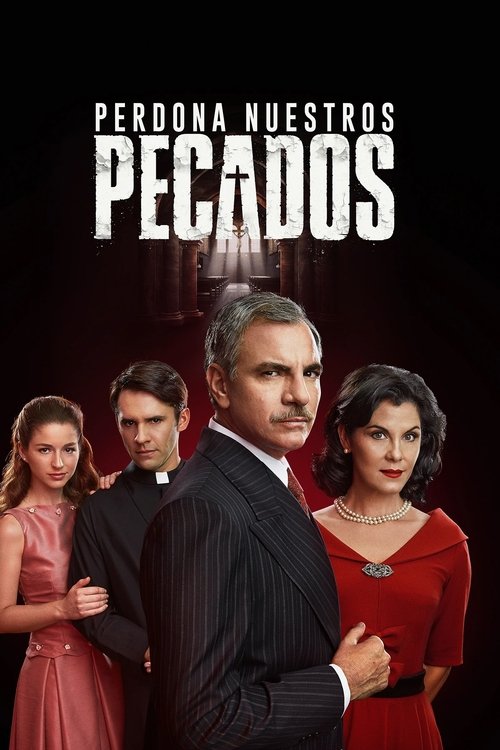




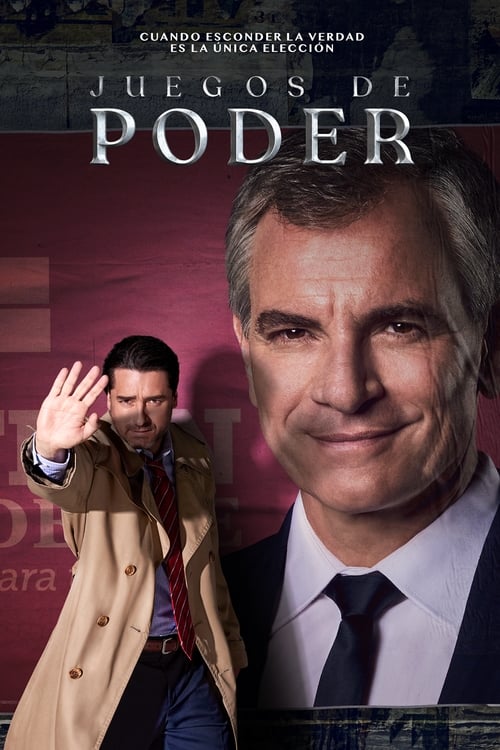

What is the ending?
In the ending of "The Usurper," the protagonist, Elara, confronts the usurper king, Alaric, in a climactic battle for the throne. After a fierce struggle, Elara emerges victorious, reclaiming her rightful place as queen. However, the victory comes at a great cost, as she loses her closest ally, Rowan, in the process. The series concludes with Elara standing on the castle balcony, looking out over her kingdom, determined to rebuild and lead with compassion.
As the final episodes of "The Usurper" unfold, the tension reaches a boiling point. The scene opens in the grand hall of the castle, where Elara stands resolute, her heart pounding in her chest. The air is thick with anticipation as she prepares to confront Alaric, the man who has stolen her birthright and plunged the kingdom into chaos. The flickering torchlight casts shadows on the stone walls, mirroring the turmoil within her.
Elara, clad in a battle-worn dress, grips the hilt of her sword tightly, her knuckles white. Memories of her father's teachings echo in her mind, fueling her determination. She knows that this confrontation is not just for her throne but for the future of her people. The hall is eerily silent, save for the distant sounds of clashing swords echoing from the courtyard, where the loyalists and Alaric's forces are engaged in a brutal fight.
The scene shifts to the courtyard, where Rowan, Elara's steadfast ally, fights valiantly against overwhelming odds. His face is smeared with dirt and sweat, but his eyes burn with fierce loyalty. He catches a glimpse of Elara through the castle doors, and a silent understanding passes between them. He knows she is about to face Alaric, and he fights harder, determined to protect her at all costs.
Back in the grand hall, the doors burst open, and Alaric strides in, a smug grin plastered on his face. He is flanked by his guards, who eye Elara with disdain. Alaric's confidence is palpable, but Elara stands her ground, her heart racing. The tension crackles in the air as they exchange words, each taunt and retort laced with the weight of their shared history. Alaric underestimates her resolve, believing her to be a mere girl unfit for the throne.
The battle begins with a clash of swords, the sound echoing through the hall. Elara fights with a fierce grace, her movements fluid and precise. Each strike is fueled by her anger and desperation, a culmination of years of oppression. Alaric, though skilled, is taken aback by her ferocity. The fight spills into the courtyard, where Rowan continues to fend off attackers, his eyes darting to Elara, worry etched on his face.
As the battle rages on, Elara and Alaric find themselves locked in a deadly duel. The choreography of their fight is intense, each blow exchanged a testament to their conflicting ideologies. Elara's motivation is clear: she fights not just for herself but for the people who have suffered under Alaric's rule. Alaric, on the other hand, fights to maintain his grip on power, his arrogance blinding him to the strength of his opponent.
In a pivotal moment, Elara gains the upper hand, disarming Alaric and pinning him to the ground. The courtyard falls silent as she stands over him, sword poised at his throat. The weight of the moment hangs heavy in the air. Alaric's bravado crumbles as he realizes he has lost. Elara's heart races, torn between the desire for vengeance and the need for justice. In a moment of clarity, she chooses mercy, sparing his life but banishing him from the kingdom.
As the dust settles, Elara turns to find Rowan gravely injured, having fought valiantly to protect her. The sight of him lying on the ground, bloodied and weak, shatters her heart. She rushes to his side, cradling his head in her lap, tears streaming down her face. Rowan, with his last breath, assures her that she will be a great queen, urging her to lead with compassion and strength. His words linger in the air as he passes away, leaving Elara devastated.
The final scene unfolds on the castle balcony, where Elara stands alone, the weight of her victory heavy on her shoulders. The sun sets on the horizon, casting a golden hue over the kingdom she has fought to reclaim. She gazes out at her people, who have gathered below, their faces a mix of hope and sorrow. Elara vows to honor Rowan's memory by ruling with kindness and justice, determined to rebuild the kingdom and heal the wounds of war.
In the closing moments, the camera pulls back, revealing the vast landscape of the kingdom, a symbol of the challenges that lie ahead. Elara's journey is far from over, but she stands ready to face whatever comes next, embodying the resilience and strength of a true leader. The series concludes, leaving viewers with a sense of both closure and anticipation for the future of Elara and her kingdom.
Is there a post-credit scene?
In the 2019 TV show "The Usurper," there is indeed a post-credit scene that adds an intriguing layer to the narrative.
As the credits roll, the screen fades to black before transitioning to a dimly lit chamber adorned with ancient tapestries and flickering candlelight. The atmosphere is thick with tension, and the sound of a distant storm can be heard rumbling outside.
In the center of the room, a cloaked figure stands before a large, ornate mirror that reflects not only their image but also a swirling mist that seems to pulse with energy. The figure, whose face remains obscured by the hood, reaches out a hand, and the mist begins to coalesce into the form of a young woman--an important character from earlier in the series who had seemingly met her demise.
The cloaked figure speaks in a low, gravelly voice, filled with a mix of urgency and malice. "You have been given a second chance, but the price will be steep." The misty apparition nods, her expression a mix of confusion and determination, hinting at her unresolved story and the potential for her return.
As the scene fades to black, the sound of thunder crashes, and a single word echoes: "Revenge." This moment leaves viewers with a sense of foreboding and anticipation, suggesting that the power struggles and betrayals that defined the series are far from over, and that alliances may shift in unexpected ways. The post-credit scene effectively sets the stage for potential future conflicts and character arcs, leaving the audience eager for more.
What motivates the main character, Elara, to challenge the throne?
Elara is driven by a deep sense of injustice after witnessing her family's downfall due to the usurpation of the throne by King Alaric. Her internal conflict is fueled by a desire for revenge and a longing to restore her family's honor, which she believes can only be achieved by reclaiming the throne.
How does the relationship between Elara and her childhood friend, Kael, evolve throughout the series?
Initially, Elara and Kael share a strong bond rooted in their childhood, but as Elara's quest for power intensifies, their relationship becomes strained. Kael struggles with his loyalty to Elara and his growing feelings for her, leading to moments of tension and emotional turmoil as he grapples with the consequences of her ambitions.
What role does the mysterious artifact play in Elara's quest?
The mysterious artifact, known as the Crown of Shadows, is a powerful relic that grants its wielder immense power but at a great cost. Elara's discovery of the artifact becomes a pivotal moment in her journey, as it symbolizes her struggle between the allure of power and the moral implications of using it to achieve her goals.
How does King Alaric's character develop throughout the series?
King Alaric begins as a tyrannical ruler, consumed by paranoia and the fear of losing his power. As the series progresses, glimpses of his vulnerability and past traumas are revealed, showcasing his internal battles and the lengths he will go to maintain control, ultimately leading to a complex portrayal of a villain who is both feared and pitied.
What is the significance of the rebellion led by the character Mira?
Mira's rebellion serves as a catalyst for change within the kingdom, representing the voice of the oppressed. Her character embodies the struggle for freedom and justice, and her interactions with Elara highlight the differing motivations behind their respective quests for power, ultimately challenging Elara's views on leadership and sacrifice.
Is this family friendly?
"The Usurper," produced in 2019, contains several elements that may not be suitable for children or sensitive viewers. Here are some potentially objectionable aspects:
-
Violence and Conflict: The show features intense scenes of political intrigue and power struggles, which often lead to physical confrontations. There are moments of sword fighting and battles that may be graphic.
-
Death and Betrayal: Themes of betrayal are central to the plot, and characters face significant emotional turmoil due to loss and treachery. Scenes depicting the aftermath of betrayal can be distressing.
-
Mature Themes: The narrative explores complex themes such as ambition, revenge, and moral ambiguity, which may be difficult for younger audiences to fully grasp.
-
Emotional Turmoil: Characters experience deep emotional struggles, including grief, anger, and despair, which may be upsetting for sensitive viewers.
-
Dark Atmosphere: The overall tone of the show is quite dark, with a focus on the harsh realities of power and the consequences of ambition, which may not be suitable for all viewers.
These elements contribute to a mature viewing experience, making "The Usurper" more appropriate for older teens and adults.









