










Popular
How does the relationship between the characters evolve throughout the series?
What motivates the main character, the mastermind behind the heist?
What are the key obstacles the crew faces during the heist?
How does the character of the police inspector impact the heist?
What role does betrayal play in the story, and how does it affect the heist's outcome?
Should I watch it?
Ask Your Own Question

What is the plot?
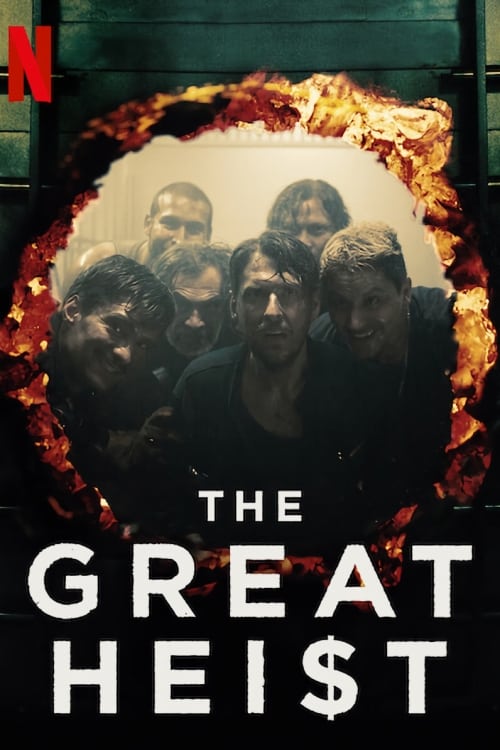
In the early 2000s, a group of criminals in Colombia, led by the cunning and ambitious character known as "El Loco," begins to plot an audacious heist. They set their sights on the National Bank of Colombia, which is known for its high security and vast wealth. The group consists of various skilled individuals, each with their own expertise, including a safecracker, a getaway driver, and a tech specialist. They gather in a rundown warehouse to discuss their plan, motivated by the promise of a life-changing sum of money.
As the planning progresses, tensions rise within the group. El Loco's leadership is challenged by some members who question his methods and the risks involved. Despite the dissent, El Loco remains determined, believing that the heist will secure their futures. He emphasizes the importance of secrecy and precision, urging everyone to stick to the plan. The group begins to conduct reconnaissance on the bank, studying security patterns and identifying potential weaknesses.
The day of the heist arrives, and the criminals execute their plan with meticulous detail. They arrive at the bank in disguise, posing as maintenance workers. As they enter, they split into teams: one group heads to the vault while the other creates a diversion. The tension is palpable as they navigate through the bank, avoiding security personnel and cameras. The safecracker works feverishly on the vault door, while the others keep watch, their hearts racing with adrenaline.
Just as the safecracker makes progress, an unexpected complication arises. A security guard becomes suspicious and begins to investigate. The team must act quickly to neutralize the threat without drawing attention. They manage to subdue the guard quietly, but the close call heightens their anxiety. The safecracker finally cracks the vault, and the team is met with a trove of cash and valuables. They quickly fill their bags, but time is running out.
As they make their escape, the group encounters another obstacle: a second wave of security personnel responding to the earlier disturbance. A tense chase ensues through the bank's corridors. The getaway driver, waiting outside, must navigate through heavy traffic to reach them. The criminals split up to confuse their pursuers, using their knowledge of the bank's layout to evade capture.
In a dramatic turn, one of the team members, feeling the weight of guilt and fear, decides to betray the group. They alert the police, leading to a massive manhunt. The remaining members of the crew must now not only escape the bank but also evade law enforcement. They use their skills to create diversions and mislead the police, but the betrayal looms over them, creating distrust within the group.
As they regroup in a safe house, the atmosphere is tense. Accusations fly, and paranoia sets in. El Loco tries to maintain control, but the betrayal has fractured their unity. They debate their next move, weighing the risks of continuing with the plan or going their separate ways. Ultimately, they decide to stick together, believing that their only chance of survival is to complete the heist and disappear.
The group devises a new escape plan, utilizing a series of underground tunnels they discovered during their reconnaissance. They navigate through the dark, cramped spaces, their nerves frayed as they hear the distant sounds of police sirens above. The claustrophobic environment amplifies their fears, but they push forward, driven by the hope of freedom and wealth.
Emerging from the tunnels, they find themselves in an abandoned warehouse on the outskirts of the city. They take a moment to catch their breath and assess their haul. However, the betrayal continues to haunt them, and they realize they cannot trust each other completely. Tensions flare again, leading to a confrontation where El Loco asserts his authority, reminding them of their shared goal.
As they prepare to leave the warehouse, they are ambushed by the police, who have tracked them down. A chaotic shootout ensues, with the criminals fighting for their lives. They use their surroundings to their advantage, taking cover and returning fire. The scene is frantic, with bullets flying and chaos reigning as they attempt to escape.
In the midst of the chaos, one of the team members is injured, and the group must make a split-second decision: help their comrade or continue the fight. El Loco chooses to help, showcasing a moment of loyalty amidst the turmoil. They manage to get their injured member to safety, but the police are closing in.
With no other options, they make a desperate dash for their getaway vehicle. The driver, who has been waiting anxiously, revs the engine, ready to speed away. They pile into the car, adrenaline pumping as they flee the scene. The police pursue them, leading to a high-speed chase through the city streets.
The chase is intense, with narrow escapes and close calls as they weave through traffic. The driver skillfully maneuvers the vehicle, but the police are relentless. Just when it seems they might be caught, they take a risky turn into an alleyway, momentarily losing their pursuers. However, the victory is short-lived as they realize they are running low on fuel.
As they regroup in a hidden location, the group reflects on their journey. The weight of their actions begins to sink in, and they grapple with the consequences of their choices. El Loco tries to rally them, but the emotional toll of the heist and the betrayal weighs heavily on everyone. They must decide whether to split the money and go their separate ways or stick together and face the fallout.
In the final moments, the group makes a fateful decision to split the money, believing it will provide them with the freedom they crave. However, as they prepare to part ways, the betrayal resurfaces, leading to a final confrontation. Trust is shattered, and the group is left fractured, each member facing the reality of their choices and the uncertain future ahead. The story concludes with a sense of ambiguity, leaving the characters' fates hanging in the balance as they navigate the aftermath of their audacious heist.









What is the ending?
In the ending of "The Great Heist," the heist is executed, but it leads to unexpected consequences for the characters involved. The plan unfolds with tension, and while they manage to steal a significant amount of money, the aftermath brings betrayal, loss, and a sense of moral ambiguity. The main characters face the repercussions of their actions, leading to a bittersweet conclusion.
As the final act begins, the tension is palpable. The crew, led by the determined and charismatic character, prepares for the heist of the century. They have meticulously planned every detail, but as they move into the execution phase, the stakes rise dramatically. The scene is set in the dimly lit bank, where the atmosphere is thick with anticipation. The characters exchange nervous glances, their hearts racing as they gear up for the moment that could change their lives forever.
The heist unfolds with precision. The crew splits into teams, each member playing a crucial role. The sound of alarms and the sight of security guards create a sense of urgency. The leader, driven by a mix of desperation and ambition, pushes the team forward, urging them to stay focused. As they breach the vault, the thrill of success washes over them, but it is short-lived. The weight of their actions begins to settle in, and the emotional toll is evident on their faces.
As they escape with the money, the initial euphoria quickly turns to dread. The characters are haunted by the realization of what they have done. The leader, who once felt invincible, now grapples with guilt and fear of being caught. The camaraderie that once bound the team begins to fray as suspicions arise. Betrayal lurks in the shadows, and the bonds of trust are tested.
In a pivotal moment, one character reveals their true intentions, leading to a confrontation that shatters the group. The emotional fallout is intense, with accusations flying and friendships crumbling. The leader, feeling the weight of responsibility, tries to hold the team together, but the damage is done. The heist that was meant to bring them freedom instead becomes a source of division and despair.
As the dust settles, the characters face their fates. Some manage to escape, but not without scars--both physical and emotional. The leader, once a figure of hope, is left to ponder the cost of their ambition. The final scenes depict the aftermath of the heist, showing the characters in various states of disarray. Some are on the run, while others are left to confront the consequences of their choices.
In the closing moments, the camera lingers on the leader, who stands alone, reflecting on the chaos that has ensued. The weight of their decisions hangs heavy in the air, and the audience is left with a sense of unresolved tension. The story concludes not with a clear resolution, but with a haunting reminder of the complexities of ambition, loyalty, and the moral dilemmas that accompany the pursuit of wealth.
Is there a post-credit scene?
The Great Heist, produced in 2020, does not feature a post-credit scene. The series concludes its narrative without any additional scenes after the credits roll, focusing instead on wrapping up the storylines of the main characters and the heist itself. The final moments of the show provide closure to the intense and dramatic events that unfold throughout the series, leaving viewers with a sense of resolution regarding the characters' fates and the consequences of their actions.
How does the relationship between the characters evolve throughout the series?
The relationships among the crew members are complex and evolve significantly. Initially, there is tension and mistrust, especially between the Professor and his right-hand man, who struggles with loyalty and ambition. As the heist progresses, they develop a bond forged through shared risks and challenges, but underlying conflicts and personal agendas create rifts that threaten their unity.
What motivates the main character, the mastermind behind the heist?
The main character, a cunning and ambitious thief named 'The Professor', is driven by a desire for wealth and power, but also by a personal vendetta against the corrupt banking system that has wronged him and his family. His internal struggle is marked by a need to prove himself and to gain respect in a world that has marginalized him.
What are the key obstacles the crew faces during the heist?
The crew encounters numerous obstacles, including security measures that are more sophisticated than anticipated, internal betrayals, and the relentless pursuit of law enforcement. Each obstacle tests their resolve and ingenuity, forcing them to adapt their plans and rely on each other's strengths, while also revealing their vulnerabilities.
How does the character of the police inspector impact the heist?
The police inspector is a formidable adversary, characterized by his relentless pursuit of justice and his personal stake in capturing the criminals. His dogged determination and strategic thinking create a cat-and-mouse dynamic with the crew, heightening the tension and stakes of the heist. His character serves as a moral counterpoint to the thieves, complicating the narrative.
What role does betrayal play in the story, and how does it affect the heist's outcome?
Betrayal is a recurring theme that significantly impacts the heist's outcome. Key characters reveal hidden agendas, leading to moments of shocking treachery that jeopardize the entire operation. These betrayals stem from personal motivations, greed, and desperation, ultimately leading to a climax where trust is shattered, and the crew must confront the consequences of their choices.
Is this family friendly?
"The Great Heist," produced in 2020, is a crime drama series that revolves around a meticulously planned heist. While it offers thrilling storytelling, it contains several elements that may not be suitable for children or sensitive viewers.
-
Violence: The series includes scenes of physical confrontations, gunfire, and the aftermath of violent encounters, which may be intense and graphic.
-
Crime and Morality: The central theme revolves around criminal activities, including theft and deception, which may raise moral questions and could be unsettling for younger audiences.
-
Strong Language: The dialogue features strong language and profanity, which may not be appropriate for children.
-
Tension and Suspense: The show builds significant tension and suspense, which could be distressing for sensitive viewers, especially during high-stakes moments.
-
Emotional Turmoil: Characters experience intense emotional struggles, including betrayal, desperation, and moral dilemmas, which may be heavy for younger viewers to process.
Overall, while "The Great Heist" is engaging for adult audiences, its themes and content may not be suitable for children or those who are sensitive to violence and moral ambiguity.