
















Popular
What is the significance of Richard's curse and how does it affect his relationships?
How does the relationship between Richard and Anne evolve throughout the series?
What role does the character of Henry VI play in the story, and how does his mental state impact the plot?
How does the theme of betrayal manifest in the character dynamics, particularly between Richard and his family?
What are the motivations behind the character of Buckingham, and how do they influence his actions throughout the series?
Should I watch it?
Ask Your Own Question

What is the plot?
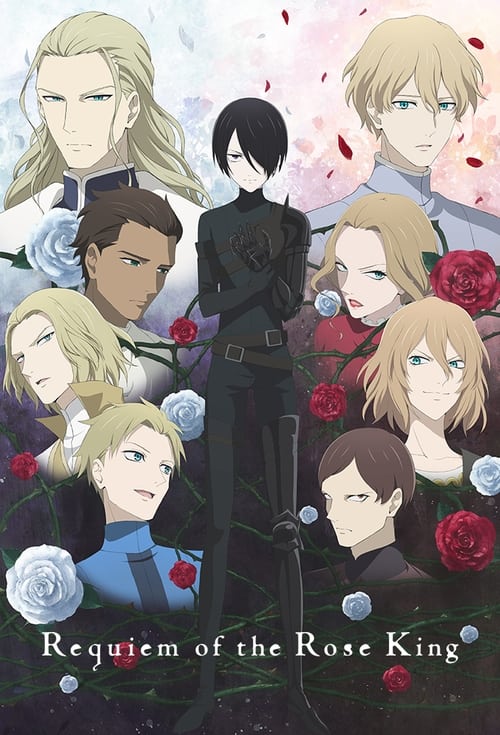
In the kingdom of England during the tumultuous Wars of the Roses, the story begins with Richard III, a young prince born with a physical deformity, who struggles with his identity and the expectations placed upon him. He is often overshadowed by his brothers, Edward and George, and feels the weight of his family's legacy. Richard's mother, the ambitious and manipulative Lady Anne, is determined to see her sons rise to power, and she instills in Richard a sense of duty to reclaim the throne for their family.
As the political landscape shifts, Richard's brother Edward becomes king, but the throne is fraught with danger. Richard is torn between loyalty to his family and his own desires. He harbors a deep-seated resentment towards those who mock him for his appearance, which fuels his ambition. During a tense family gathering, Richard overhears a plot against Edward, which sets him on a path of intrigue and betrayal.
Richard's internal conflict intensifies when he meets Anne Neville, a strong-willed woman caught in the crossfire of the power struggle. Their relationship begins with mutual understanding, as both feel the burden of their families' expectations. However, Anne is initially betrothed to Edward, which complicates Richard's feelings. As the political situation deteriorates, Richard's desire for power grows, and he begins to manipulate those around him to secure his position.
The tension escalates when George, Richard's brother, is accused of treason and imprisoned. Richard sees this as an opportunity to eliminate a rival and solidify his own standing. He orchestrates George's execution, which leaves a profound impact on Richard, as he grapples with the consequences of his actions. This act of betrayal deepens the rift within the family and sets Richard on a darker path.
As Richard's ambition spirals, he becomes increasingly ruthless. He seeks the support of powerful allies, including the enigmatic Margaret Beaufort, who has her own designs for the throne. Their alliance is fraught with tension, as both are driven by their ambitions but have conflicting goals. Richard's manipulation of those around him leads to a series of betrayals that further entrench him in the violent power struggle.
The narrative takes a dramatic turn when Edward falls gravely ill. Richard sees this as a chance to seize control, and he begins to plot against his own family. He uses Edward's weakness to further his own agenda, convincing others that he is the rightful heir to the throne. The political machinations culminate in a bloody confrontation, where Richard's true nature is revealed.
In a climactic battle for the throne, Richard faces off against his enemies, including the forces loyal to Edward and George. The fight is brutal and chaotic, with swords clashing and blood spilling on the battlefield. Richard's physical deformity becomes a symbol of his struggle, as he fights not only for power but for acceptance. The battle ends with Richard emerging victorious, but at a great cost, as he loses many of his allies and faces the consequences of his ruthless ambition.
As Richard ascends to the throne, he is haunted by the ghosts of those he has betrayed and killed. His reign is marked by paranoia and fear, as he becomes increasingly isolated. The weight of his actions begins to take a toll on his mental state, leading him to question his own humanity. The once-ambitious prince is now a king consumed by his own darkness.
In the final act, Richard's grip on power is challenged by those who seek to overthrow him. Anne, who has been a pawn in Richard's game, begins to see the man he has become and struggles with her own feelings towards him. The tension between them reaches a breaking point, leading to a confrontation that forces Richard to confront the monster he has become.
The series concludes with Richard facing the consequences of his actions, as the cycle of violence and betrayal continues. The once-promising future he envisioned is now a nightmare, leaving him to grapple with the legacy of his choices and the bloodshed that has defined his reign. The story ends on a somber note, highlighting the tragic nature of ambition and the cost of power.






What is the ending?
In the ending of "Requiem of the Rose King," Richard III faces the consequences of his ambition and the bloodshed he has caused. The final battle leads to his downfall, as he is ultimately defeated and killed. The story concludes with a sense of tragedy, highlighting the futility of power and the cost of betrayal.
As the final episodes unfold, the tension escalates in the kingdom, with Richard III's ambition reaching its peak. The scene opens with Richard, now fully consumed by his desire for power, standing in a dimly lit chamber, surrounded by the remnants of his past decisions. His face is a mask of determination, but beneath it lies a deep-seated fear of losing everything he has fought for. The air is thick with the scent of blood and betrayal, a constant reminder of the lives he has taken to ascend the throne.
The narrative shifts to the battlefield, where Richard's forces clash with those of Henry Tudor. The clash of swords and the cries of soldiers fill the air, creating a cacophony of chaos. Richard, clad in dark armor, rides into battle with a fierce resolve, his eyes burning with a mix of rage and desperation. He believes that victory is within his grasp, yet the weight of his past actions looms over him like a dark cloud.
As the battle rages on, key characters face their fates. Anne Neville, Richard's wife, stands on the sidelines, her heart heavy with the knowledge of the bloodshed that has surrounded their union. She watches as Richard fights valiantly, but her expression betrays her inner turmoil. She is torn between love and the horror of the man he has become. In a moment of vulnerability, she whispers a prayer for peace, hoping for an end to the violence that has consumed their lives.
Meanwhile, Henry Tudor, the rightful heir, rallies his troops with a passionate speech, igniting their spirits. His determination to reclaim the throne is palpable, and the camera captures the fierce resolve in his eyes. As the two armies collide, the choreography of battle unfolds with brutal precision, showcasing the desperation of both sides.
In a climactic moment, Richard confronts Henry on the battlefield. Their eyes lock, and the tension is electric. Richard, fueled by his ambition, charges at Henry, but the latter stands firm, embodying the hope of a new era. The duel between them is fierce, each strike echoing the weight of their respective legacies. As the fight reaches its peak, Richard's overconfidence leads to a fatal mistake. In a swift and decisive moment, Henry gains the upper hand, delivering a blow that seals Richard's fate.
As Richard falls to the ground, the camera lingers on his face, capturing the mix of shock and realization. The once-mighty king lies defeated, a symbol of the tragic consequences of unchecked ambition. The battlefield quiets, and the sounds of war fade into a haunting silence, emphasizing the gravity of the moment.
In the aftermath, the surviving characters grapple with the fallout of the battle. Anne, now a widow, stands alone amidst the ruins of the battlefield, her heart heavy with grief. She reflects on the love she once had for Richard, now overshadowed by the darkness of his actions. The camera captures her tears, a poignant reminder of the personal cost of power.
Henry Tudor, now victorious, surveys the battlefield with a mix of triumph and sorrow. He understands that the crown comes with a heavy burden, and as he raises it above his head, the weight of responsibility settles upon him. The final scene shows him walking away from the chaos, determined to lead the kingdom towards a brighter future, yet haunted by the ghosts of those who fell in the struggle for power.
The series concludes with a sense of melancholy, underscoring the themes of ambition, betrayal, and the cyclical nature of violence. Each character's fate serves as a reminder of the personal and collective costs of their choices, leaving the audience to ponder the true meaning of power and its consequences.
Is there a post-credit scene?
In the 2022 adaptation of "Requiem of the Rose King," there is no post-credit scene. The series concludes its narrative without additional content after the credits, focusing instead on the resolution of the main story arcs and character developments throughout the episodes. The final moments of the show encapsulate the emotional turmoil and the fateful decisions made by the characters, leaving viewers with a poignant sense of closure rather than an extended scene or teaser.
What is the significance of Richard's curse and how does it affect his relationships?
Richard, born with a physical deformity, is cursed to be seen as a monster. This curse deeply affects his self-image and relationships, particularly with his mother, who is both protective and ashamed of him. His internal struggle with his identity leads him to seek power and acceptance, often pushing him into morally ambiguous decisions that alienate him from others.
How does the relationship between Richard and Anne evolve throughout the series?
Richard and Anne's relationship begins with a shared sense of isolation and understanding, as both are outcasts in their own right. As they grow closer, Anne becomes a source of emotional support for Richard, but their bond is tested by political machinations and personal ambitions. Anne's eventual realization of Richard's darker nature creates tension, leading to a complex interplay of love, betrayal, and loyalty.
What role does the character of Henry VI play in the story, and how does his mental state impact the plot?
Henry VI is portrayed as a fragile and indecisive king, whose mental instability creates a power vacuum in the realm. His inability to assert control leads to chaos and conflict among the nobility, setting the stage for Richard's rise. Henry's emotional vulnerability elicits both sympathy and frustration from those around him, particularly from Richard, who sees an opportunity to manipulate the situation to his advantage.
How does the theme of betrayal manifest in the character dynamics, particularly between Richard and his family?
Betrayal is a recurring theme, especially within Richard's family. His relationship with his brothers is fraught with tension, as they vie for power and loyalty. Richard's feelings of betrayal by his family drive him to make drastic choices, including turning against them to secure his own position. This internal conflict highlights the tragic nature of familial bonds twisted by ambition and rivalry.
What are the motivations behind the character of Buckingham, and how do they influence his actions throughout the series?
Buckingham is initially portrayed as a loyal ally to Richard, but his motivations are complex. He seeks power and influence, often aligning himself with Richard's ambitions. However, as Richard's ruthlessness becomes apparent, Buckingham's loyalty wavers, leading him to question his allegiance. This internal conflict ultimately drives him to make choices that have significant repercussions for both himself and Richard, showcasing the precarious nature of political alliances.
Is this family friendly?
"Requiem of the Rose King," produced in 2022, is a dark fantasy anime that explores themes of power, betrayal, and identity, set against the backdrop of the Wars of the Roses. While it has a rich narrative and complex characters, it contains several elements that may not be suitable for children or sensitive viewers.
-
Violence and Bloodshed: The series features numerous battle scenes, including sword fights and depictions of injuries, which can be graphic and intense.
-
Death and Betrayal: Characters face betrayal and experience significant loss, leading to emotional turmoil. The portrayal of death can be heavy and impactful.
-
Dark Themes: The story delves into themes of ambition, madness, and the moral complexities of power, which may be unsettling for younger audiences.
-
Psychological Struggles: Characters grapple with their identities and mental health issues, including feelings of isolation and despair, which may resonate deeply with sensitive viewers.
-
Mature Relationships: There are complex interpersonal relationships that may include manipulation and emotional conflict, which could be difficult for younger viewers to understand.
Overall, while "Requiem of the Rose King" offers a compelling narrative, its darker elements and mature themes may not be appropriate for all audiences, particularly children.