
















Popular
What is the significance of Richard's identity struggle in Requiem of the Rose King?
How does the relationship between Richard and Anne evolve throughout Season 1?
What role does the theme of betrayal play in the dynamics between the York and Lancaster families?
How does the character of Margaret influence the events in Season 1?
What are the implications of Richard's visions and hallucinations throughout the season?
Should I watch it?
Ask Your Own Question

What is the plot?
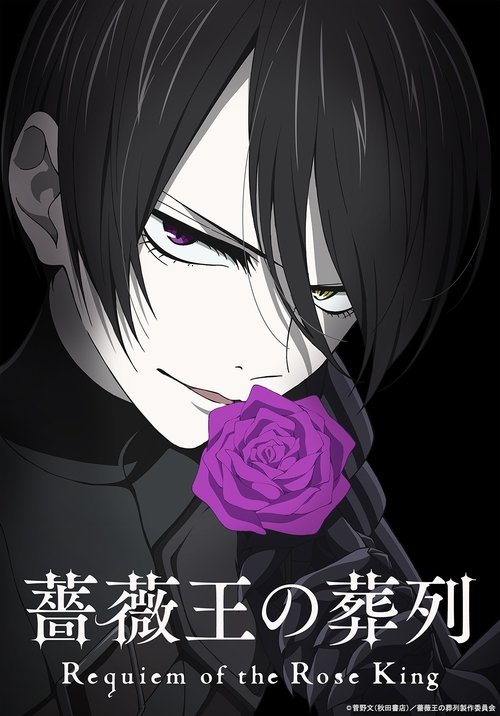
In the first episode of "Requiem of the Rose King," we are introduced to Richard III, a young man born with a physical deformity that sets him apart from others. He is the son of the Duke of York and is deeply affected by the stigma surrounding his appearance. Richard's internal struggle is palpable as he grapples with feelings of inadequacy and a desire for power. He is haunted by the expectations placed upon him and the legacy of his family, particularly the ongoing conflict between the Houses of York and Lancaster.
The story unfolds against the backdrop of the Wars of the Roses, a brutal civil war in England. Richard's mother, the Duchess of York, is fiercely protective of him, and her ambitions for her son are clear. She encourages Richard to embrace his destiny, pushing him towards a path of vengeance against those who have wronged their family. This maternal influence shapes Richard's motivations, igniting a desire for revenge against the Lancastrians, particularly King Henry VI and his wife, Margaret.
As tensions rise, we witness the political machinations of the time. The episode introduces key players, including the ambitious and ruthless Margaret of Anjou, who is determined to maintain her husband's throne at all costs. Richard's interactions with her reveal the stark contrast between their ambitions. Margaret's cold demeanor and willingness to manipulate others highlight the treachery of the court, while Richard's vulnerability and desire for acceptance make him a complex character.
In a pivotal scene, Richard attends a gathering where the nobles discuss the ongoing conflict. Here, he meets Anne Neville, a woman caught in the crossfire of the war. Their initial encounter is charged with tension, as Richard is drawn to her beauty and strength, while Anne is wary of his reputation. This meeting sets the stage for a complicated relationship that will evolve throughout the series.
As the episode progresses, Richard's internal conflict intensifies. He is torn between his desire for power and the fear of becoming like those he despises. This struggle culminates in a moment of clarity when he decides to take control of his fate. He begins to plot against the Lancastrians, seeking alliances that will bolster his position. His determination is fueled by a mix of ambition and a desperate need for validation.
The episode concludes with a dramatic confrontation between Richard and a group of Lancastrian soldiers. In a tense standoff, Richard's resolve is tested as he faces the reality of battle. The clash is brutal, with swords clashing and blood spilling on the ground. Richard fights fiercely, driven by a newfound sense of purpose. The chaos of the battlefield mirrors his internal turmoil, and as he emerges victorious, a sense of both triumph and foreboding settles over him.
In the following episodes, Richard's journey continues as he navigates the treacherous landscape of power, betrayal, and ambition. His relationship with Anne deepens, marked by moments of tenderness and conflict. The political landscape shifts as alliances are formed and broken, leading to further bloodshed and tragedy. Richard's character evolves as he grapples with the consequences of his actions, ultimately leading him down a dark path that will define his legacy.
Throughout the season, themes of identity, power, and the cost of ambition are explored, culminating in a gripping narrative that intertwines personal and political struggles. Richard's quest for acceptance and dominance drives the story forward, leading to a series of events that will shape the fate of the kingdom and the characters involved. The season ends on a cliffhanger, leaving viewers eager to see how Richard's choices will impact his future and the ongoing conflict between the Houses of York and Lancaster.





What is the ending?
In the ending of "Requiem of the Rose King," the story culminates in a tragic confrontation between Richard III and his enemies, leading to a series of betrayals and battles that seal the fates of the main characters. Richard, consumed by his ambition and the weight of his lineage, faces the consequences of his actions, while other characters grapple with their own desires and loyalties.
As the final episodes unfold, Richard's relentless pursuit of power leads to a climactic battle. He confronts his half-brother Edward, who has been a significant obstacle in his quest for the throne. The tension between them is palpable, filled with years of rivalry and resentment. Richard's internal struggle is evident as he grapples with his identity and the legacy of his family, particularly the curse that seems to haunt him.
In the heat of battle, Richard's ruthlessness is on full display. He fights fiercely, but the tide turns against him. Betrayal comes from unexpected places, and allies turn into enemies. The emotional weight of his decisions weighs heavily on him, and he is forced to confront the reality of his ambition. The battlefield becomes a reflection of his inner turmoil, filled with chaos and bloodshed.
As the dust settles, Richard's fate is sealed. He is ultimately defeated, a victim of his own machinations and the relentless pursuit of power. The final moments are haunting, showcasing the emptiness of his victory and the cost of his ambition. The series closes with a somber reflection on the cycle of violence and betrayal that has defined Richard's life, leaving a lingering sense of tragedy.
In the aftermath, other characters also face their destinies. Edward, though initially positioned as a rival, finds himself grappling with the consequences of his own choices. The relationships between characters are irrevocably altered, and the scars of their conflicts remain.
The ending of "Requiem of the Rose King" serves as a poignant reminder of the destructive nature of ambition and the complexities of familial ties, leaving viewers with a sense of melancholy and reflection on the characters' journeys.
As the final episodes of "Requiem of the Rose King" unfold, the atmosphere is thick with tension and anticipation. The stage is set for a climactic confrontation that has been brewing throughout the season. The scene opens on a battlefield, where Richard III stands, his armor glinting in the dim light, a fierce determination etched on his face. He is surrounded by the remnants of his army, the air heavy with the scent of blood and the cries of the wounded.
Richard's internal conflict is palpable. He is driven by a desire for power, yet haunted by the legacy of his family and the curse that seems to follow him. As he prepares for battle, flashes of his past flicker through his mind--moments of betrayal, loss, and the weight of expectation. His half-brother Edward approaches, and the tension between them crackles like electricity. Their eyes lock, and in that moment, the years of rivalry and resentment come to a head.
The battle erupts with a cacophony of clashing swords and the shouts of soldiers. Richard fights with a ferocity that is both admirable and terrifying. He is a man possessed, driven by the need to prove himself and to claim the throne that he believes is rightfully his. Each swing of his sword is fueled by a mix of rage and desperation, and the chaos around him mirrors his inner turmoil.
As the fight rages on, alliances shift. Richard's closest allies begin to falter, and betrayal lurks in the shadows. The camera captures the moment when one of his trusted companions turns against him, a dagger glinting in the light as it plunges into Richard's side. The betrayal is swift and brutal, and Richard's expression shifts from shock to fury. He realizes that his ambition has not only cost him the loyalty of those around him but has also led him to this moment of vulnerability.
In the midst of the chaos, Edward gains the upper hand. The brothers clash, their swords ringing out in a deadly dance. Richard's desperation grows as he fights not just for the throne but for his very survival. The emotional stakes are high, and the audience can feel the weight of their shared history pressing down on them. Richard's motivations are laid bare--his desire for power is intertwined with a deep-seated need for validation and acceptance.
As the battle reaches its climax, Richard's strength begins to wane. He is surrounded, outnumbered, and the realization of his impending defeat sinks in. The camera lingers on his face, capturing the moment of despair as he understands the futility of his ambition. The battlefield, once a place of glory, becomes a graveyard of dreams, littered with the bodies of those who have fallen in pursuit of power.
In the final moments, Richard is struck down, his body collapsing to the ground. The camera pulls back, revealing the devastation around him--friends and foes alike lying lifeless, the cost of ambition laid bare. As Richard takes his last breaths, the weight of his choices hangs heavy in the air. The series closes with a haunting silence, a stark contrast to the chaos that preceded it.
In the aftermath, Edward stands over Richard's fallen form, grappling with the reality of his victory. The emotional toll of their conflict is evident on his face, a mixture of relief and sorrow. The relationships between the characters have been irrevocably altered, and the scars of their battles will linger long after the dust has settled.
The ending of "Requiem of the Rose King" serves as a poignant reflection on the destructive nature of ambition and the complexities of familial ties. Each character is left to confront the consequences of their actions, and the cycle of violence and betrayal continues to echo through the halls of power. The series concludes with a somber reminder of the cost of ambition, leaving viewers with a sense of melancholy and reflection on the characters' journeys.
Is there a post-credit scene?
In "Requiem of the Rose King," Season 1, there is no post-credit scene. The series concludes its episodes without additional content after the credits, focusing instead on the narrative and character arcs presented throughout the episodes. The story wraps up its themes and character developments within the main episodes, leaving viewers with a sense of closure regarding the events that transpired in the season.
What is the significance of Richard's identity struggle in Requiem of the Rose King?
Richard's identity struggle is central to the narrative, as he grapples with his illegitimacy and the societal rejection that comes with it. His internal conflict is visually represented through his interactions with other characters, particularly his mother, who embodies both love and disdain. This duality fuels Richard's ambition and desire for power, leading him to make morally ambiguous choices that reflect his desperation for acceptance.
How does the relationship between Richard and Anne evolve throughout Season 1?
Richard and Anne's relationship is complex and fraught with tension. Initially, Anne is drawn to Richard's vulnerability, but as the season progresses, she becomes increasingly aware of his darker ambitions. Their interactions are charged with emotional intensity, showcasing Anne's struggle between her feelings for Richard and her loyalty to her family. This culminates in moments of betrayal and heartbreak, highlighting the tragic nature of their bond.
What role does the theme of betrayal play in the dynamics between the York and Lancaster families?
Betrayal is a recurring theme that shapes the conflict between the York and Lancaster families. Key moments include Richard's manipulation of alliances and the treachery displayed by various characters, such as the shifting loyalties of family members. These betrayals are depicted through dramatic confrontations and tense dialogues, emphasizing the fragility of trust and the lengths characters will go to secure power.
How does the character of Margaret influence the events in Season 1?
Margaret is a pivotal character whose fierce determination and cunning significantly impact the plot. Her ambition drives her to orchestrate schemes that affect both the York and Lancaster factions. Visually, her presence is commanding, often depicted in scenes where she exudes authority and influence. Her motivations stem from a desire to protect her family and assert her power, making her a formidable player in the unfolding drama.
What are the implications of Richard's visions and hallucinations throughout the season?
Richard's visions and hallucinations serve as a manifestation of his inner turmoil and psychological struggles. These moments are visually striking, often blending reality with his fears and desires. They reveal his deep-seated insecurities and foreshadow his eventual descent into madness. The implications of these experiences highlight the theme of mental instability and the impact of external pressures on his psyche, driving his actions in the political landscape.
Is this family friendly?
"Requiem of the Rose King" is a dark and intense adaptation of Shakespeare's historical plays, particularly focusing on the themes of power, betrayal, and identity. While it features rich storytelling and complex characters, there are several aspects that may be objectionable or upsetting for children or sensitive viewers:
-
Violence and Bloodshed: The series includes scenes of battles, duels, and executions, often depicted with graphic violence and blood.
-
Death and Betrayal: Characters face betrayal and death, which can be emotionally heavy and distressing, particularly for younger audiences.
-
Themes of Identity and Gender: The protagonist, Richard, grapples with issues of identity and societal expectations, which may be challenging for some viewers to process.
-
Dark Atmosphere: The overall tone of the series is somber and melancholic, with themes of despair and hopelessness that may be unsettling.
-
Mature Relationships: There are complex relationships that may involve manipulation and emotional turmoil, which could be inappropriate for younger viewers.
-
Psychological Struggles: Characters experience significant internal conflict and trauma, which may resonate deeply and evoke strong emotions.
These elements contribute to a narrative that is more suited for mature audiences, and parental discretion is advised for younger viewers.