


Popular
Should I watch it?
Ask Your Own Question

What is the plot?
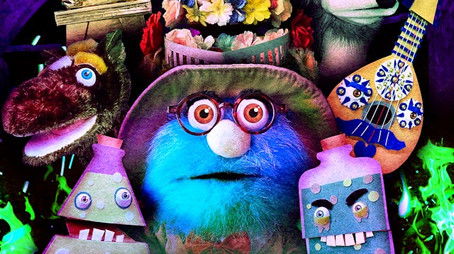
Puppet History is a unique blend of storytelling and puppetry, where host Mike Trapp guides viewers through various historical events using puppets to illustrate the tales. Each episode focuses on a specific historical event or figure, with a comedic twist.
In the first episode, the story begins with Mike introducing the concept of the show, explaining that he will recount a historical event while using puppets to bring the story to life. The episode centers around the infamous pirate Blackbeard, whose real name was Edward Teach.
The narrative unfolds with a puppet representation of Blackbeard, showcasing his fearsome appearance with a long beard and a menacing demeanor. The scene shifts to Blackbeard's early life, where he is depicted as a young man drawn to the sea, eager for adventure and treasure. His motivations are clear: a desire for wealth and notoriety.
As the story progresses, Blackbeard becomes a pirate, and the episode illustrates his rise to infamy. The puppets depict his crew, showcasing their camaraderie and the thrill of piracy. Key decisions made by Blackbeard, such as his choice to raid ships and establish a fearsome reputation, are highlighted. The audience sees the strategic planning behind his attacks, emphasizing his cunning nature.
The plot thickens as Blackbeard captures a ship, the Queen Anne's Revenge, which becomes his flagship. The puppets demonstrate the ship's grandeur and the power it gives Blackbeard. His crew is shown celebrating their newfound strength, but tension arises as they face rival pirates and naval forces.
A pivotal moment occurs when Blackbeard encounters Lieutenant Robert Maynard, who is determined to bring him to justice. The episode portrays the buildup to their confrontation, with both sides preparing for battle. Blackbeard's motivations shift as he becomes increasingly reckless, driven by pride and the desire to maintain his fearsome reputation.
The climactic battle unfolds with puppets depicting the fierce naval engagement between Blackbeard and Maynard. The scene is chaotic, with cannon fire and the clash of swords. Blackbeard's crew fights valiantly, but Maynard's strategic tactics begin to turn the tide. The puppets illustrate the intensity of the fight, capturing the desperation and determination of both sides.
In a dramatic twist, Maynard's crew feigns surrender, luring Blackbeard into a trap. The puppets show Blackbeard's initial confidence turning to confusion as he realizes he has been outsmarted. The final confrontation is brutal, with Maynard and Blackbeard engaging in a fierce duel. The emotional stakes are high as Blackbeard fights for his life, but ultimately, he is overpowered.
The episode concludes with Blackbeard's defeat, showcasing his final moments as he falls, symbolizing the end of his reign of terror. The puppets reflect the somber tone of his demise, emphasizing the fleeting nature of power and fame. Mike Trapp wraps up the story, reminding viewers of the legacy left behind by Blackbeard, while the puppets take a final bow, leaving the audience with a mix of humor and reflection on the historical tale.






What is the ending?
In the final episode of Puppet History, the host, a puppet named "The Historian," concludes the story of a historical event with a humorous twist. The episode wraps up with a comedic recap of the events discussed, and the puppet characters reflect on their experiences. The Historian delivers a final punchline, leaving the audience with a light-hearted takeaway about the absurdities of history.
As the episode begins to wind down, The Historian gathers the puppet characters around for a final discussion. The characters, each representing different historical figures, share their thoughts on the events they portrayed. There is a sense of camaraderie among them, despite the often absurd and tragic nature of the stories they told. The Historian, with a twinkle in his eye, emphasizes the importance of learning from history, even when it is filled with bizarre twists and turns.
The scene shifts to a comedic reenactment of the historical event, where the puppets act out the final moments with exaggerated expressions and antics. Laughter fills the air as the characters stumble through their roles, showcasing their unique personalities. The audience is treated to a montage of the most ridiculous moments from the episode, highlighting the humor that can be found in even the darkest parts of history.
As the episode draws to a close, The Historian delivers a final monologue, reminding viewers that history is not just a series of dates and events, but a collection of stories filled with human experiences. The puppets nod in agreement, their faces animated with understanding. The screen fades to black, leaving the audience with a sense of joy and a reminder to appreciate the quirks of the past.
In the end, each puppet character returns to their respective roles, having learned something valuable from their experiences. The Historian, as the guiding figure, remains a constant presence, encouraging viewers to continue exploring the fascinating and often humorous aspects of history. The episode concludes with a catchy jingle, leaving the audience with a smile and a desire to learn more about the past.
Is there a post-credit scene?
In the show "Puppet History," there are no traditional post-credit scenes as seen in many other series. Instead, each episode concludes with a humorous and often unexpected wrap-up that ties back to the episode's theme or story. The final moments typically feature the puppet characters reflecting on the historical events discussed, often with a comedic twist or a light-hearted commentary that reinforces the episode's lesson. This serves to leave the audience with a smile rather than a cliffhanger or additional narrative content. The focus remains on the educational yet entertaining nature of the show, ensuring that viewers walk away with both knowledge and amusement.
What historical events are covered in Puppet History?
Puppet History covers a variety of historical events, including the sinking of the Titanic, the story of the Trojan War, and the life of Cleopatra. Each episode focuses on a specific event, using puppetry to bring the characters and situations to life in a humorous and engaging way.
Who are the main puppet characters in Puppet History?
The main puppet characters include the Narrator, who guides the story, and various historical figures portrayed as puppets, such as Cleopatra, Julius Caesar, and other notable personalities from the events being discussed. Each puppet has distinct traits that reflect their historical counterparts.
How does the show incorporate humor into historical storytelling?
Puppet History incorporates humor through witty dialogue, absurd scenarios, and comedic interactions between the puppet characters. The Narrator often adds humorous commentary, and the puppets engage in playful banter that contrasts with the serious nature of the historical events.
What role does the Narrator play in the episodes?
The Narrator serves as the central guide throughout each episode, providing context, commentary, and transitions between scenes. The Narrator's personality is often sarcastic and playful, adding a layer of humor and engaging the audience while explaining the historical events.
How are the puppet designs reflective of the characters they portray?
The puppet designs in Puppet History are carefully crafted to reflect the historical figures they represent. For example, Cleopatra is depicted with distinct Egyptian features and attire, while other characters are designed with exaggerated traits that highlight their personalities or roles in history, enhancing the comedic effect.
Is this family friendly?
"Puppet History," produced in 2020, is designed to be a comedic and educational show that uses puppetry to recount historical events. While it generally maintains a light-hearted tone, there are a few aspects that might be considered objectionable or upsetting for children or sensitive viewers:
-
Dark Historical Themes: The show often addresses serious historical events that involve violence, death, or tragedy, which may be unsettling for younger audiences.
-
Humor Style: The humor can sometimes be irreverent or involve dark comedy, which might not resonate well with all viewers, particularly those who prefer more wholesome content.
-
Puppet Violence: There are instances where puppets may engage in slapstick or exaggerated violence, which, while comedic, could be alarming to some children.
-
Mature References: Some episodes may include references or jokes that are more suitable for older audiences, potentially going over the heads of younger viewers but still not appropriate for them.
-
Emotional Content: Certain stories may evoke feelings of sadness or discomfort due to the nature of the historical events being discussed, which could be challenging for sensitive viewers.
Overall, while "Puppet History" aims to entertain and educate, parents may want to preview episodes to determine their suitability for their children.