
















Popular
What motivates Seo Jin to use the time-traveling phone?
How does Han Ae Ri's character evolve throughout the series?
What are the consequences of Seo Jin's attempts to change the past?
What role does the character of Seo Young play in the narrative?
How does the relationship between Seo Jin and Han Ae Ri develop over time?
Should I watch it?
Ask Your Own Question

What is the plot?
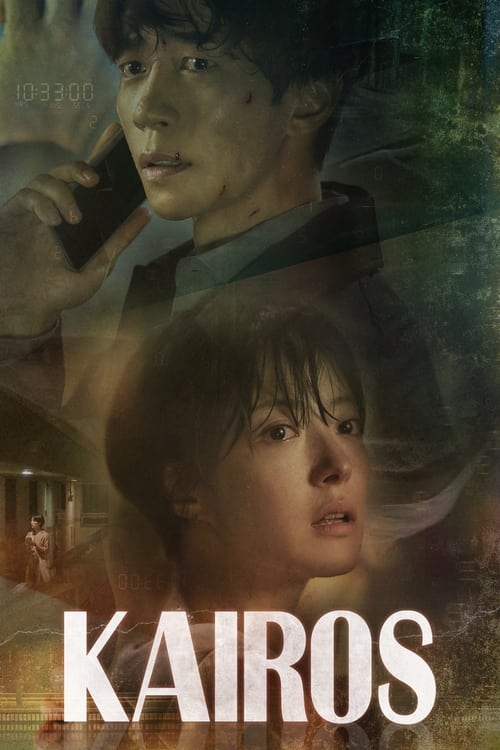
In the beginning of "Kairos," we are introduced to Kim Seo-jin, a successful architect who is deeply affected by the sudden disappearance of his daughter, Kim Da-bin. The story opens with Seo-jin's frantic search for Da-bin, showcasing his emotional turmoil and desperation. He is seen frantically calling her phone, searching the neighborhood, and pleading with the police for help. The emotional weight of his loss is palpable, as he struggles to maintain his composure while grappling with the reality of his daughter's absence.
As Seo-jin continues his search, he receives a mysterious phone call from a woman named Han Ae-ri, who lives in a different time period, specifically one year in the future. Ae-ri is also dealing with her own crisis, as her mother has been kidnapped. The two characters, despite being separated by time, begin to communicate and form a bond. Seo-jin is initially skeptical of Ae-ri's claims, but as she provides him with information about his daughter's whereabouts, he becomes more invested in their conversations.
Seo-jin learns that Da-bin is alive but in danger. Ae-ri reveals that she has seen Da-bin in a video, and she urges Seo-jin to take action to save her. This revelation ignites a sense of urgency in Seo-jin, who begins to take her advice seriously. He starts to investigate the clues that Ae-ri provides, leading him to confront various suspects and potential leads regarding his daughter's kidnapping.
As Seo-jin delves deeper into the investigation, he faces numerous obstacles, including the skepticism of the police and the emotional toll of his daughter's situation. He becomes increasingly desperate, leading him to make risky decisions. He begins to trust Ae-ri more, relying on her insights to navigate the dangerous waters of his investigation. Their relationship deepens, and they share personal stories, revealing their vulnerabilities and motivations.
Meanwhile, Ae-ri's own storyline unfolds as she tries to save her mother from the kidnappers. She faces her own challenges, including threats from the kidnappers and the emotional strain of her situation. Ae-ri's determination to save her mother mirrors Seo-jin's quest to find his daughter, creating a parallel narrative that highlights their shared desperation and resolve.
As the story progresses, Seo-jin discovers that the kidnapper is someone he knows, which adds a layer of betrayal to his emotional journey. He confronts this individual, leading to a tense standoff where Seo-jin's anger and pain are palpable. The confrontation escalates, and Seo-jin is forced to make a critical decision that could either save his daughter or put her in further danger.
In a pivotal moment, Seo-jin and Ae-ri coordinate their efforts to thwart the kidnapper's plans. They work together across time, using the information they have gathered to set a trap. This sequence is filled with tension as they race against the clock, each character facing their own fears and doubts. The stakes are high, and the emotional weight of their actions is felt deeply.
As the climax approaches, Seo-jin finally locates Da-bin, leading to a dramatic rescue scene. He confronts the kidnapper in a tense showdown, where emotions run high. Seo-jin's determination to save his daughter is evident as he fights against the odds. The physical confrontation is intense, with Seo-jin using both his wits and strength to overcome the kidnapper.
In the aftermath of the rescue, Seo-jin is reunited with Da-bin, and the emotional release is overwhelming. The joy of their reunion is contrasted with the trauma they both have experienced. Seo-jin's relief is palpable, but there is also a sense of lingering pain from the ordeal they have endured.
As the story concludes, the connection between Seo-jin and Ae-ri remains significant. They have both changed through their experiences, and their bond transcends the boundaries of time. The final scenes reflect on the impact of their journey, leaving viewers with a sense of hope amidst the chaos they have faced. The narrative closes with Seo-jin and Da-bin looking towards the future, while Ae-ri continues to navigate her own challenges, hinting at the ongoing nature of their struggles and the resilience they have developed.








What is the ending?
In the ending of "Kairos," the story culminates in a tense confrontation that resolves the fates of the main characters. Seo Jin, who has been desperately trying to save his daughter, ultimately faces the truth about his actions and the consequences of his choices. The narrative concludes with a sense of closure for the characters, as they come to terms with their pasts and the impact of their decisions.
As the final episodes unfold, we see Seo Jin, played by Shin Sung-rok, grappling with the emotional turmoil of losing his daughter, Seo Young. The story reaches a critical point when he discovers the identity of the kidnapper, leading to a dramatic confrontation. The tension escalates as Seo Jin races against time, using the mysterious ability to communicate with the past to alter events and save his daughter.
In a pivotal scene, Seo Jin confronts the kidnapper in a dimly lit warehouse, the air thick with suspense. The kidnapper, revealed to be a figure from Seo Jin's past, taunts him, forcing Seo Jin to confront his own guilt and regrets. The emotional weight of the moment is palpable as Seo Jin struggles between his desire for revenge and the need to protect his daughter.
Meanwhile, the character of Han Ae-ri, portrayed by Lee Se-young, plays a crucial role in the climax. She has been a steadfast ally to Seo Jin, and her determination to help him find Seo Young drives her actions. In a heart-stopping moment, she intervenes during the confrontation, showcasing her bravery and commitment to Seo Jin and his family.
As the climax unfolds, Seo Jin's internal conflict reaches a boiling point. He must choose between succumbing to his darker impulses or embracing the love he has for his daughter. In a moment of clarity, he realizes that saving Seo Young is more important than revenge. This realization leads to a dramatic resolution where he manages to rescue Seo Young, but not without significant sacrifice.
The final scenes depict Seo Jin and Seo Young reunited, their emotional embrace filled with relief and sorrow. The camera lingers on their faces, capturing the depth of their bond and the pain of their experiences. Seo Jin's journey has transformed him; he is no longer the man consumed by grief but a father who has learned the value of love and forgiveness.
In the aftermath, we see the characters begin to heal. Han Ae-ri finds closure in her own life, having faced her fears and supported Seo Jin through his darkest moments. The narrative closes with a sense of hope, as Seo Jin and Seo Young walk away from the chaos, ready to face the future together, symbolizing resilience and the enduring power of familial love.
The ending of "Kairos" encapsulates the themes of time, choice, and the impact of our actions on those we love. Each character's fate reflects their growth and the lessons learned throughout the series, leaving viewers with a poignant reminder of the importance of connection and redemption.
Is there a post-credit scene?
"Kairos," the 2020 South Korean drama, does not feature a post-credit scene. The series concludes its narrative within the final episode, wrapping up the storylines of its main characters without any additional scenes after the credits. The focus remains on the resolution of the intertwined fates of the characters, particularly the emotional and psychological journeys of Kim Seo-jin and Han Ae-ri, as they navigate the complexities of time and fate. The ending emphasizes closure and the impact of their choices, leaving viewers with a sense of finality rather than teasing future developments.
What motivates Seo Jin to use the time-traveling phone?
Seo Jin, a successful architect, is driven by desperation and grief after his daughter, Seo Young, is kidnapped. His overwhelming guilt and the desire to save her push him to use the mysterious phone that allows him to communicate with a woman named Han Ae Ri in the past. This connection becomes his lifeline, as he believes that altering events in the past can lead to a different outcome for his daughter.
How does Han Ae Ri's character evolve throughout the series?
Han Ae Ri starts as a struggling woman who is trying to make ends meet while dealing with her own family issues. As she becomes entwined with Seo Jin's life through the time-traveling phone, her character evolves from a passive victim of her circumstances to an active participant in trying to change the fate of both her life and Seo Jin's. Her determination to help Seo Jin save his daughter reveals her resilience and strength, showcasing her growth as she confronts her own challenges.
What are the consequences of Seo Jin's attempts to change the past?
Seo Jin's attempts to change the past lead to a series of unintended consequences that complicate his life further. Each time he tries to alter events, he faces new challenges and dangers, not only for himself but also for Han Ae Ri and their families. The emotional toll of these changes weighs heavily on him, as he grapples with the moral implications of his actions and the realization that some events may be fated to happen, regardless of his efforts.
What role does the character of Seo Young play in the narrative?
Seo Young, Seo Jin's daughter, serves as the emotional core of the story. Her kidnapping sets off the chain of events that leads Seo Jin to discover the time-traveling phone. Throughout the series, her presence is felt deeply, as Seo Jin's memories of her and his desperate attempts to save her drive the plot forward. Seo Young's innocence and vulnerability highlight the stakes of Seo Jin's journey, making her fate a constant source of tension and motivation for his character.
How does the relationship between Seo Jin and Han Ae Ri develop over time?
The relationship between Seo Jin and Han Ae Ri develops from a mere connection through the phone to a deep emotional bond. Initially, they are strangers, but as they share their struggles and fears, they begin to trust each other. Their conversations become a source of hope and strength for both characters, leading to a profound understanding of each other's pain. As they work together to change the past, their relationship evolves into a partnership filled with empathy, support, and ultimately, a shared goal of saving Seo Young.
Is this family friendly?
"Kairos," produced in 2020, is a South Korean drama that delves into themes of time travel, loss, and the emotional turmoil surrounding abduction and murder. While the show is gripping and well-crafted, it does contain several elements that may not be suitable for children or sensitive viewers.
-
Violence and Crime: The series involves serious themes of kidnapping and murder, which are depicted in a way that can be intense and distressing. There are scenes that portray the aftermath of violent acts, which may be upsetting.
-
Emotional Trauma: Characters experience profound grief and emotional pain, particularly surrounding the loss of loved ones. This exploration of trauma can be heavy and may resonate deeply with sensitive viewers.
-
Dark Themes: The narrative includes elements of despair, betrayal, and moral ambiguity, which can create a tense atmosphere. The characters often face dire situations that evoke feelings of hopelessness.
-
Suspenseful and Disturbing Imagery: The show employs suspenseful storytelling that can lead to moments of shock or fear, particularly in scenes involving the abduction and the search for missing individuals.
-
Parental Concerns: The portrayal of parental figures in distress and the impact of crime on families may be particularly hard-hitting for younger viewers, as it touches on the vulnerabilities of family dynamics.
Overall, while "Kairos" is a compelling narrative, its themes and scenes may not be appropriate for a younger audience or those who are sensitive to such content. Viewer discretion is advised.