






Popular
What role does the school setting play in the development of the characters?
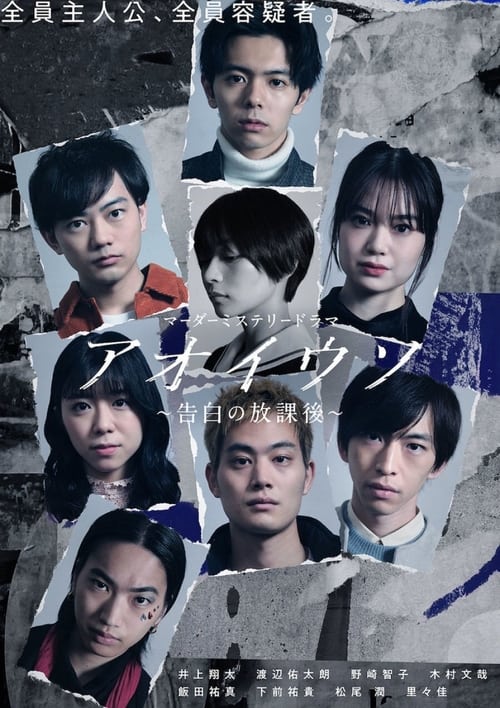
What is the significance of the blue letter in Aoi Uso ~Kokuhaku no Houkago~?
How does the relationship between Haruka and Saito evolve throughout the series?
How does the character of Yuki influence the main storyline?
What are the key moments that define Haruka's character arc?
Should I watch it?
Ask Your Own Question

What is the plot?
In the small town of Kisaragi, the story begins with a high school student named Haruto. He is depicted as a quiet and introspective boy, often lost in his thoughts. Haruto has a close friendship with a girl named Aoi, who is vibrant and full of life. Their bond is deep, and they share a mutual understanding, often spending time together after school. Aoi harbors feelings for Haruto, but she struggles to express them, fearing it might change their friendship.
One day, Haruto discovers a mysterious letter in his locker. The letter is unsigned and expresses deep feelings of love, leaving him confused and intrigued. He shares this with Aoi, who becomes visibly anxious, hinting that she might know more than she lets on. This moment sets the stage for a series of emotional conflicts as Haruto becomes determined to find out who the letter's author is.
As Haruto investigates, he encounters several classmates, each with their own potential motives and feelings for him. Among them is a shy girl named Rika, who seems to have a crush on him but is too timid to approach him directly. Haruto's interactions with Rika reveal her insecurities and longing for connection, adding layers to the narrative as he tries to navigate his feelings.
The plot thickens when Haruto receives another letter, this time with a more explicit confession of love. The letter is signed with the initials "K.S." Haruto's curiosity grows, and he begins to suspect that it might be from a girl in his class named Kaho, who has been acting strangely around him. He confronts Kaho, but she denies being the author, leaving Haruto even more perplexed.
Meanwhile, Aoi's internal struggle intensifies as she grapples with her own feelings for Haruto. She becomes increasingly jealous of the attention he pays to other girls, particularly Rika and Kaho. Aoi's emotional turmoil is depicted through her interactions with Haruto, where she tries to mask her feelings with a cheerful facade, but her frustration begins to seep through.
As the school festival approaches, Haruto decides to take a bold step. He organizes a group outing with Aoi, Rika, and Kaho, hoping to create an opportunity to uncover the truth behind the letters. During the outing, tensions rise as Aoi's jealousy becomes more apparent. She tries to assert herself, leading to a confrontation with Rika, who feels sidelined. This moment of conflict reveals the underlying emotions of all three girls, showcasing their desires and fears.
The climax occurs during the festival when Haruto finally confronts the mystery of the letters. He gathers the courage to ask each girl directly if they wrote the letters. The atmosphere is charged with anticipation as each girl reacts differently. Aoi, feeling cornered, finally confesses her feelings for Haruto, revealing the depth of her love and the pain of her jealousy. Rika, heartbroken, admits her feelings as well, while Kaho remains silent, her own emotions hidden.
In the aftermath of the festival, Haruto is left to process Aoi's confession. He feels a mix of happiness and guilt, knowing that he has unintentionally hurt Rika and Kaho. The emotional weight of the situation leads him to seek solitude, reflecting on his relationships and the impact of his decisions. Aoi, sensing his turmoil, tries to reach out, but Haruto's uncertainty creates a rift between them.
As the story progresses, Haruto's internal conflict deepens. He struggles with the idea of choosing between Aoi and Rika, both of whom have shown him different facets of love. The narrative explores his journey of self-discovery as he navigates the complexities of teenage emotions and relationships.
In a pivotal moment, Haruto decides to confront his feelings head-on. He arranges a meeting with both Aoi and Rika, hoping to find clarity. The scene is charged with tension as the three of them sit together, each grappling with their emotions. Haruto expresses his confusion, and the girls share their perspectives, leading to a heartfelt discussion about love, friendship, and the fear of losing what they have.
The resolution comes when Haruto realizes that he cannot force himself to choose between them. Instead, he proposes that they take time to understand their feelings better, suggesting a temporary distance to allow everyone to reflect. This decision is met with mixed reactions, but ultimately, it leads to a sense of understanding among the trio.
In the final scenes, Haruto, Aoi, Rika, and Kaho begin to navigate their relationships with a newfound maturity. The story closes with Haruto looking out at the sunset, contemplating the complexities of love and friendship, leaving the audience with a sense of hope for the future as the characters embark on their individual journeys of growth.
More TV Shows Like This
Browse All TV Shows →

What is the ending?
In the ending of "Aoi Uso ~Kokuhaku no Houkago~," the story culminates in a dramatic confrontation between the main characters, leading to revelations about their feelings and the consequences of their choices. The protagonist, Haruto, faces the emotional fallout of his decisions, while the relationships between the characters reach a critical turning point. Ultimately, the characters must confront their truths and the impact of their actions on one another.
As the final episode unfolds, the scene opens in the school courtyard, where Haruto stands alone, grappling with his emotions. The sun sets, casting a warm glow that contrasts with the turmoil within him. He reflects on his relationships with his friends, particularly with Aoi and Saki, both of whom have been pivotal in his life. The weight of his choices presses heavily on him, and he feels the need to make amends.
In the next scene, Aoi approaches Haruto, her expression a mix of determination and vulnerability. She confesses her feelings for him, revealing the depth of her affection and the pain of unspoken words. Haruto, taken aback, struggles to respond, his heart torn between his feelings for Aoi and the guilt he carries for his past actions. The tension in the air is palpable as Aoi's eyes glisten with unshed tears, showcasing her emotional investment in their relationship.
Meanwhile, Saki watches from a distance, her heart heavy with jealousy and sadness. She has always harbored feelings for Haruto, and witnessing Aoi's confession stirs a storm of emotions within her. The camera captures her conflicted expression, highlighting her internal struggle as she grapples with the reality of her unrequited love.
The scene shifts to a confrontation between Haruto and Saki, where she confronts him about his indecision and the pain it has caused both her and Aoi. Saki's voice trembles with emotion as she lays bare her feelings, expressing her frustration and hurt. Haruto, feeling cornered, admits his shortcomings and the confusion that has clouded his heart. This moment is charged with raw emotion, as both characters reveal their vulnerabilities.
As the climax approaches, the three characters find themselves in a tense standoff, each grappling with their feelings and the implications of their choices. Haruto realizes that he cannot continue to hide from the truth. He takes a deep breath and makes a heartfelt decision, choosing to embrace his feelings for Aoi while acknowledging the bond he shares with Saki. This moment of clarity is visually striking, as the sun sets behind them, symbolizing the end of one chapter and the beginning of another.
In the final scenes, the characters begin to reconcile their relationships. Haruto and Aoi share a tender moment, their hands brushing together, signifying a new understanding and connection. Saki, though heartbroken, finds solace in the fact that her feelings were acknowledged, and she resolves to support her friends despite her own pain. The camera captures her bittersweet smile, a testament to her strength and resilience.
The series concludes with a montage of the characters moving forward, each on their own path but forever changed by their experiences. Haruto, Aoi, and Saki each find a sense of closure, understanding that love is complex and often intertwined with friendship. The final shot lingers on the school building, now bathed in the soft light of dawn, symbolizing hope and new beginnings as the characters step into their futures, forever marked by their shared journey.
Is there a post-credit scene?
In "Aoi Uso ~Kokuhaku no Houkago~," there is indeed a post-credit scene that adds a poignant layer to the narrative. After the main credits roll, the scene opens with a serene view of the school courtyard, bathed in the soft glow of the setting sun. The atmosphere is tranquil, yet there is an underlying tension as the characters reflect on the events that have transpired.
The focus shifts to the protagonist, who stands alone, gazing at the horizon. There is a palpable sense of longing in their expression, a mix of hope and uncertainty about the future. As they take a deep breath, the camera pans to reveal a small group of friends approaching, their faces filled with a blend of concern and encouragement.
In this moment, the protagonist's internal struggle is evident; they are torn between the weight of their past decisions and the desire to move forward. The friends offer words of support, reminding them that they are not alone in their journey. This exchange is filled with emotional depth, showcasing the bonds that have been forged through shared experiences and hardships.
As the scene concludes, the protagonist smiles faintly, a flicker of determination igniting within them. The screen fades to black, leaving viewers with a sense of hope and the promise of new beginnings, encapsulating the themes of friendship, redemption, and the complexities of youth that permeate the series.
What role does the school setting play in the development of the characters?
The school setting is integral to the narrative, serving as a backdrop for the characters' interactions and personal growth. It is within the confines of the school that friendships are tested, secrets are revealed, and the pressures of adolescence are felt. The environment amplifies the emotional stakes, as characters navigate their feelings amidst academic and social challenges.
What is the significance of the blue letter in Aoi Uso ~Kokuhaku no Houkago~?
The blue letter serves as a pivotal plot device that symbolizes the protagonist's emotional turmoil and the weight of unspoken feelings. It is a catalyst for the unfolding drama, as it contains a confession that alters the dynamics between the main characters.
How does the relationship between Haruka and Saito evolve throughout the series?
Haruka and Saito's relationship begins with a sense of innocence and friendship, but as the story progresses, it becomes complicated by jealousy, misunderstandings, and the pressures of their respective feelings. Their emotional struggles are depicted through intimate conversations and moments of vulnerability, showcasing their growth and the impact of external circumstances on their bond.
How does the character of Yuki influence the main storyline?
Yuki acts as a catalyst for many of the conflicts in the story. Her presence brings out the insecurities and hidden desires of the other characters, particularly Haruka and Saito. Yuki's own struggles with her feelings and her desire for acceptance create tension and drive the plot forward, leading to critical moments of revelation and confrontation.
What are the key moments that define Haruka's character arc?
Haruka's character arc is defined by several key moments: her initial innocence and naivety, the discovery of her feelings for Saito, the emotional turmoil caused by the blue letter, and her eventual confrontation with her own desires and fears. Each moment is marked by intense emotional expression, showcasing her growth from a passive participant in her own life to someone who actively seeks to understand and assert her feelings.
Is this family friendly?
"Aoi Uso ~Kokuhaku no Houkago~" contains themes and scenes that may not be suitable for all audiences, particularly children or sensitive viewers. Here are some potentially objectionable or upsetting aspects:
-
Emotional Turmoil: The characters experience intense emotional struggles, including themes of unrequited love, betrayal, and loss, which may be distressing for younger viewers.
-
Romantic Tension: There are scenes that explore romantic relationships, including jealousy and heartbreak, which might be complex for children to understand.
-
Mental Health Themes: The show touches on issues related to mental health, such as anxiety and depression, which could be triggering for some viewers.
-
Conflict and Confrontation: There are moments of conflict between characters that may involve shouting or emotional outbursts, which could be unsettling.
-
Mature Themes: The narrative includes mature themes surrounding relationships and personal identity that may not be appropriate for younger audiences.
These elements contribute to a narrative that is more suited for older teens and adults rather than a family-friendly viewing experience.