













Popular
What motivates the main character, Sarah, to infiltrate the Joneses' lives?
How does the relationship between Sarah and her husband evolve throughout the series?
What secrets do the Joneses hide that impact their interactions with Sarah?
How does the character of Lisa, the Joneses' daughter, influence the plot?
What pivotal event causes Sarah to reconsider her actions towards the Joneses?
Should I watch it?
Ask Your Own Question

What is the plot?
In the opening scene of "Keeping Up with the Joneses," we are introduced to the main characters, the Jones family, who appear to be the perfect suburban family. The camera pans over their immaculate home, showcasing their well-manicured lawn and the latest luxury car parked in the driveway. The family consists of Greg, the ambitious father, his wife, the charming and seemingly perfect mother, and their two children, who are involved in various extracurricular activities. The scene establishes their seemingly idyllic life, but hints at underlying tensions as Greg is shown obsessively checking social media for updates on their neighbors.
As the story progresses, the Joneses' new neighbors, the Smiths, move in next door. The Smiths are portrayed as a quirky and unconventional family, contrasting sharply with the Joneses' polished image. Greg is initially intrigued by the Smiths, particularly by their carefree attitude and willingness to break social norms. However, his wife, who is deeply invested in maintaining their social status, is wary of the Smiths and their unconventional lifestyle.
The tension escalates when the Joneses host a neighborhood barbecue to welcome the Smiths. During the event, Greg tries to impress the Smiths with his grilling skills, but things go awry when he accidentally burns the food. The Smiths, however, take it in stride, showcasing their laid-back nature. This incident highlights the growing divide between the two families, as Greg becomes increasingly frustrated with his inability to keep up appearances.
In a pivotal moment, Greg discovers that the Smiths are not just quirky but are hiding a significant secret. He overhears a conversation that suggests they are involved in illegal activities. This revelation ignites Greg's curiosity and leads him to investigate further. He begins to follow the Smiths, trying to gather evidence of their supposed wrongdoing, which leads to a series of comedic yet tense encounters.
As Greg delves deeper into the Smiths' lives, he becomes more obsessed with uncovering their secrets. He enlists the help of his wife, who reluctantly agrees to assist him in his quest. Together, they set up surveillance equipment in their home to monitor the Smiths' activities. This decision strains their relationship, as Greg's fixation on the Smiths begins to overshadow their own family dynamics.
The plot thickens when Greg's children inadvertently become friends with the Smiths' kids. This friendship complicates Greg's mission, as he struggles to balance his desire to expose the Smiths with the happiness of his children. The emotional stakes rise as Greg realizes that his children genuinely enjoy spending time with the Smiths, leading him to question his motivations.
In a climactic confrontation, Greg finally confronts the Smiths about his suspicions. He accuses them of being involved in illegal activities, which leads to a heated argument. The Smiths, taken aback by Greg's accusations, reveal their true identities: they are undercover agents working to infiltrate a local crime ring. This shocking twist flips the narrative, as Greg realizes that he has been targeting innocent people.
The story reaches its resolution as the Joneses and the Smiths come together to confront the real criminals in their neighborhood. They form an unlikely alliance, combining their strengths to take down the crime ring. This collaboration leads to a series of action-packed sequences, including a stakeout and a dramatic chase scene through the neighborhood.
In the final moments of the show, the Joneses and the Smiths successfully bring the criminals to justice. The experience transforms both families, leading to a newfound respect and friendship between them. Greg learns to embrace the imperfections of life and the value of genuine connections, while the Smiths find a sense of belonging in the community. The series concludes with a heartwarming scene of both families celebrating together, solidifying their bond and leaving behind the pressures of keeping up appearances.


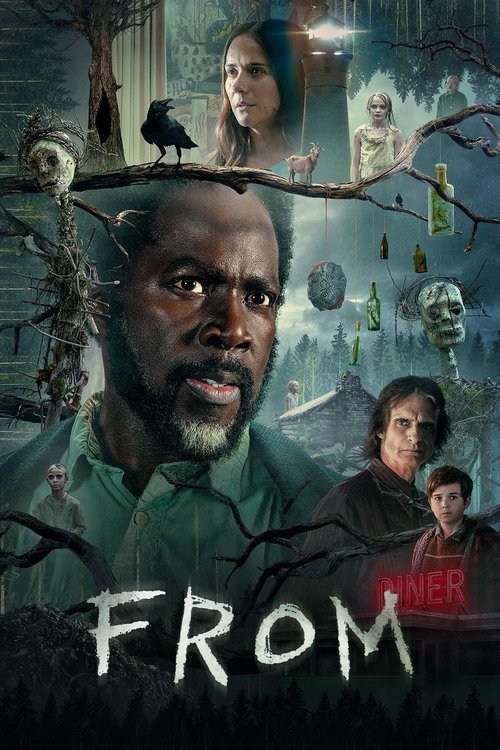






What is the ending?
In the ending of "Keeping Up with the Joneses," the main characters confront their personal and relational conflicts, leading to a resolution that emphasizes the importance of honesty and authenticity. The Joneses, after a series of misunderstandings and comedic mishaps, come to terms with their true selves and their relationships with their neighbors, the Smiths. The story concludes with a sense of community and acceptance, as both families learn to appreciate each other's differences.
As the final act unfolds, the scene opens in the Smiths' backyard, where a neighborhood barbecue is taking place. The sun is setting, casting a warm glow over the gathering. Tensions are palpable as the Smiths, particularly the father, Greg, are still reeling from the revelations about the Joneses' fabricated lifestyle. Greg stands at the grill, flipping burgers, his brow furrowed with concern. He feels betrayed but is also aware that the Joneses have been trying to fit in, albeit in a misguided way.
Across the yard, the Joneses--played by the charismatic couple, Tim and Lisa--arrive, their demeanor a mix of anxiety and determination. Tim, dressed in a casual button-up shirt, fidgets with his collar, while Lisa, in a vibrant sundress, tries to project confidence. They know they need to address the elephant in the room: their deception about their seemingly perfect life.
As the evening progresses, the atmosphere shifts. The Smiths and the Joneses gather around the fire pit, the flickering flames illuminating their faces. Tim takes a deep breath, his heart racing, and begins to speak. He admits to the Smiths that they had been trying too hard to impress them, revealing the truth about their financial struggles and the pressure they felt to maintain an image. Lisa nods in agreement, her eyes glistening with unshed tears, as she shares her own feelings of inadequacy and the fear of not being accepted.
The Smiths listen intently, and Greg's expression softens. He realizes that the Joneses are not so different from them; they too have insecurities and challenges. This moment of vulnerability creates a bridge between the two families. Greg responds with empathy, sharing his own struggles and the pressures of keeping up appearances in their neighborhood. The tension dissipates, replaced by a newfound understanding.
As the night deepens, laughter begins to fill the air. The families engage in light-hearted banter, reminiscing about the absurd situations they found themselves in throughout the season. The camera captures moments of genuine connection: children playing together, adults sharing stories, and the warmth of community enveloping them.
In the final scene, the camera pans out to show both families sitting together, united under the stars. Tim and Lisa exchange a glance, their earlier worries fading away. They realize that authenticity is more valuable than any facade they had tried to maintain. The episode closes with a sense of hope and renewal, as both families embrace their true selves and the bonds they have formed.
In summary, the ending of "Keeping Up with the Joneses" highlights the importance of honesty and acceptance in relationships. Tim and Lisa find peace in their imperfections, while Greg and his family learn to appreciate the Joneses for who they truly are. The fate of each character is one of growth and connection, as they move forward together, leaving behind the pressures of societal expectations.
Is there a post-credit scene?
In the 2021 series "Keeping Up with the Joneses," there is indeed a post-credit scene that adds a humorous twist to the overall narrative.
As the credits roll, the scene opens in the Joneses' living room, where the family is gathered after a chaotic day filled with their usual antics. The camera focuses on the family dog, who is lying on the floor, seemingly oblivious to the human drama around him. Suddenly, the dog perks up, ears twitching, as the doorbell rings.
Cut to a shot of the family members exchanging curious glances. The father, Mark, stands up, a mix of annoyance and intrigue on his face, and heads to the door. When he opens it, he is met with an unexpected sight: their quirky neighbor, Mrs. Thompson, holding a large basket filled with baked goods.
Mrs. Thompson, with her signature oversized glasses and a mischievous grin, cheerfully announces that she's started a new baking business and wants to share her first batch with them. Mark, still slightly bewildered, tries to politely decline, but Mrs. Thompson insists, pushing the basket into his hands.
As Mark turns to go back inside, the camera zooms in on the basket, revealing a note that reads, "Try these at your own risk!" The family bursts into laughter, and the scene ends with the dog sneaking a treat from the basket, leading to a comical chase around the living room as the family scrambles to catch him.
This light-hearted moment encapsulates the show's theme of community and the unpredictable nature of their lives, leaving viewers with a smile as the credits finish rolling.
What motivates the main character, Sarah, to infiltrate the Joneses' lives?
Sarah is driven by a mix of curiosity and ambition. She feels trapped in her mundane life and sees the Joneses as a gateway to a more exciting existence. Her desire to uncover their secrets stems from a need to prove herself and escape her own insecurities.
How does the relationship between Sarah and her husband evolve throughout the series?
Initially, Sarah's husband, Mark, is supportive but becomes increasingly suspicious of her obsession with the Joneses. As Sarah delves deeper into their lives, Mark feels neglected and questions their marriage. This tension leads to emotional confrontations, revealing their vulnerabilities and ultimately forcing them to reassess their relationship.
What secrets do the Joneses hide that impact their interactions with Sarah?
The Joneses are not the perfect family they appear to be; they harbor secrets such as financial troubles and a strained marriage. These revelations create a complex dynamic as Sarah learns that their seemingly glamorous life is built on deception, which complicates her feelings of envy and admiration.
How does the character of Lisa, the Joneses' daughter, influence the plot?
Lisa serves as a pivotal character who initially befriends Sarah, unaware of her true intentions. As their friendship develops, Lisa's struggles with her own identity and family pressures mirror Sarah's journey, creating a bond that complicates Sarah's mission and forces her to confront her own motives.
What pivotal event causes Sarah to reconsider her actions towards the Joneses?
A dramatic confrontation at a neighborhood party reveals the depth of the Joneses' struggles, leading Sarah to witness the emotional fallout of their secrets. This moment of vulnerability makes her question her own choices and the morality of her actions, prompting a significant turning point in her character arc.
Is this family friendly?
"Keeping Up with the Joneses," produced in 2021, is a family-friendly show that primarily focuses on the comedic and dramatic interactions of a suburban family. However, there are a few aspects that might be considered objectionable or upsetting for children or sensitive viewers:
-
Mild Language: The show includes some instances of mild profanity, which may not be suitable for younger audiences.
-
Family Conflicts: There are scenes depicting family disagreements and tensions that could be emotionally charged, potentially upsetting for sensitive viewers.
-
Romantic Situations: The show features some romantic subplots that include innuendos and discussions about relationships, which may not be appropriate for all children.
-
Social Issues: The series touches on themes of social status and competition among neighbors, which could lead to discussions about bullying or peer pressure.
-
Humor Style: Some comedic elements may involve misunderstandings or embarrassing situations that could be uncomfortable for younger viewers.
Overall, while the show is designed to be entertaining for a broad audience, parents may want to preview episodes to determine their suitability for their children.








