

















Popular
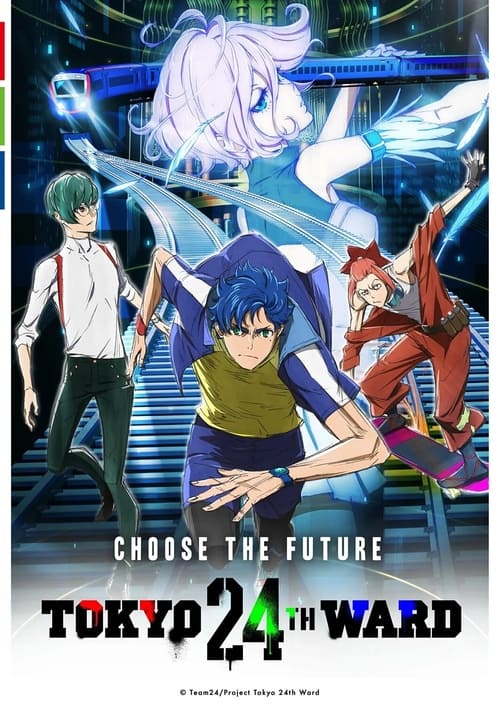
What are the main abilities of the three protagonists in Tokyo 24th Ward?
How does the relationship between Shuta and Ran evolve throughout the series?
What role does the concept of 'the 24th Ward' play in the characters' lives?
What is the significance of the 'Future Vision' ability in the story?
How do the characters confront their pasts and personal traumas in Tokyo 24th Ward?
Should I watch it?
Ask Your Own Question

What is the plot?
In the 24th Ward of Tokyo, three childhood friends, Shuta, Ran, and Koki, are introduced. They have grown up together, but their lives have taken different paths. Shuta is a passionate and idealistic young man who dreams of making a difference in the world. Ran is a confident and assertive girl who is determined to pursue her ambitions, while Koki is more reserved and struggles with his own insecurities. The trio's bond is tested when they receive a mysterious message from a deceased friend, which sets off a chain of events that will change their lives forever.
The story begins with a tragic incident where a fire breaks out in the 24th Ward, leading to the death of a young girl. This event deeply affects the community and the three friends, who are haunted by the loss. They each react differently; Shuta feels a strong sense of responsibility to prevent such tragedies, while Koki is overwhelmed by guilt and fear. Ran, on the other hand, is determined to take action and find a way to honor their friend's memory.
As the narrative unfolds, the friends discover a mysterious app that allows them to receive messages from the deceased. This app becomes a pivotal tool for them as they navigate their emotions and the challenges they face. They begin to receive messages that guide them in their decision-making, leading them to confront their past and the choices they have made. The app also reveals hidden truths about their friend's death, prompting them to investigate further.
The trio's investigation leads them to uncover a conspiracy involving a powerful organization that has been manipulating events in the 24th Ward. They learn that the organization is responsible for the fire that killed their friend and has been covering up their involvement. This revelation ignites a sense of urgency within the group, pushing them to take action against the organization.
As they delve deeper into the conspiracy, tensions rise among the friends. Shuta becomes increasingly driven to expose the truth, while Koki struggles with the fear of the consequences their actions may bring. Ran tries to mediate between them, but the pressure of their situation begins to strain their friendship. Each character's internal conflict is highlighted as they grapple with their motivations and the weight of their decisions.
In a climactic confrontation, the friends confront the organization in a high-stakes showdown. They gather evidence to expose the truth, but the organization retaliates, leading to a tense standoff. Shuta takes the lead, using his charisma to rally support from the community, while Koki faces his fears and steps up to protect his friends. Ran showcases her strategic thinking, devising a plan to outsmart their adversaries.
The confrontation escalates into a physical altercation, with the friends fighting against the organization's enforcers. Shuta displays bravery, pushing himself to the limit to protect his friends. Koki, fueled by his newfound courage, joins the fray, while Ran uses her agility and quick thinking to navigate the chaos. The fight is intense, with moments of vulnerability and strength as they each confront their fears.
After a hard-fought battle, the friends manage to gather enough evidence to expose the organization's wrongdoing. They present their findings to the authorities, leading to a significant crackdown on the corrupt group. The community rallies behind them, and the friends are hailed as heroes. However, the victory is bittersweet as they reflect on the cost of their journey and the friends they have lost along the way.
In the aftermath, the trio's bond is tested once more as they deal with the emotional fallout of their actions. Shuta grapples with the weight of leadership and the responsibility he feels for his friends. Koki learns to embrace his strengths and finds a sense of belonging within the group. Ran continues to push forward, determined to make a difference in the world. The series concludes with the friends standing together, looking towards the future, united by their shared experiences and the promise of new beginnings.


What is the ending?
In the ending of "Tokyo 24th Ward," the three main characters, Shuta, Ran, and Koki, confront their personal struggles and the consequences of their choices. They ultimately come together to face a crisis in their community, leading to a resolution that emphasizes the importance of connection and responsibility. Each character finds a path forward, with Shuta embracing his role as a leader, Ran reconciling her feelings, and Koki finding a way to move past his guilt.
As the final episodes unfold, the narrative begins with Shuta, Ran, and Koki grappling with the aftermath of their previous decisions. The city of Tokyo 24th Ward is in turmoil, facing a significant threat that tests the bonds of friendship and the strength of their resolve.
Scene 1: The trio gathers at their usual meeting spot, a rooftop overlooking the city. The atmosphere is tense, filled with unspoken words and lingering doubts. Shuta, feeling the weight of leadership, tries to rally his friends, but Koki is withdrawn, haunted by his past mistakes. Ran, caught between her loyalty to her friends and her own aspirations, struggles to find her voice.
Scene 2: As they discuss the impending crisis--a series of incidents that threaten the safety of their community--flashbacks reveal the characters' motivations. Shuta recalls his desire to protect those he loves, while Koki reflects on his guilt over a past incident that cost someone their life. Ran, meanwhile, remembers her dreams of making a difference, feeling the pressure to live up to expectations.
Scene 3: The tension escalates when they receive a distress call about a dangerous situation unfolding in the city. The trio must decide whether to intervene or let the authorities handle it. Shuta, driven by his sense of duty, insists they take action, while Koki hesitates, fearing the consequences of their involvement. Ran, caught in the middle, ultimately supports Shuta, recognizing the need for unity.
Scene 4: They rush to the scene, where chaos reigns. The trio splits up to cover more ground, each facing their own challenges. Shuta confronts a group of individuals causing havoc, using his skills to de-escalate the situation. Koki, in a moment of clarity, steps up to help a trapped victim, overcoming his guilt and proving his worth. Ran, meanwhile, uses her knowledge of the area to guide people to safety, showcasing her growth and determination.
Scene 5: As the crisis unfolds, the characters experience a moment of realization. They understand that their individual strengths complement each other, and together they can make a difference. This realization strengthens their bond, and they work in unison to resolve the situation, ultimately saving lives and restoring order.
Scene 6: In the aftermath, the trio reconvenes, exhausted but triumphant. They reflect on their experiences, acknowledging the importance of their friendship and the responsibilities that come with it. Shuta embraces his role as a leader, vowing to continue protecting their community. Koki, having faced his fears, finds a sense of redemption and purpose. Ran, feeling empowered, decides to pursue her dreams while remaining committed to her friends.
Scene 7: The final moments show the three of them standing together, looking out over the city they love. The sun sets, casting a warm glow over Tokyo 24th Ward, symbolizing hope and new beginnings. They understand that while challenges will continue to arise, they are stronger together, ready to face whatever comes next.
In conclusion, the ending of "Tokyo 24th Ward" encapsulates the themes of friendship, responsibility, and personal growth. Each character emerges transformed, having confronted their fears and embraced their roles within their community, setting the stage for a hopeful future.
Is there a post-credit scene?
Yes, "Tokyo 24th Ward" features a post-credit scene that adds depth to the story and its characters.
In the post-credit scene, we see a serene view of the Tokyo skyline at dusk, the city bathed in a warm, golden light. The camera pans down to a quiet park where the three main characters--Shuta, Ran, and Koki--are gathered. They sit on a bench, reflecting on their experiences and the challenges they faced throughout the series.
Shuta, with a contemplative expression, shares his thoughts on the importance of their bond and how they've grown through their trials. His voice carries a mix of nostalgia and hope, revealing his desire to protect their friendship and the city they love. Ran, with a slight smile, teases Shuta about his serious demeanor, lightening the mood. Her playful nature contrasts with the weight of their past, showcasing her resilience and ability to find joy even in difficult times.
Koki, who has been quieter, finally speaks up, expressing his determination to continue fighting for a better future. His eyes reflect a blend of resolve and vulnerability, hinting at the internal struggles he still faces. The scene captures a moment of unity among the trio, emphasizing their commitment to each other and their shared mission.
As the camera pulls away, the trio's laughter echoes softly, blending with the sounds of the city. The scene fades to black, leaving viewers with a sense of hope and the promise of new beginnings, reinforcing the themes of friendship, responsibility, and the impact of their choices on the world around them.
What are the main abilities of the three protagonists in Tokyo 24th Ward?
The three protagonists, Shuta, Ran, and Kouki, each possess unique abilities that play a crucial role in the narrative. Shuta has the ability to see potential futures, which allows him to make decisions that can alter outcomes. Ran is skilled in combat and has a strong sense of justice, often acting as the moral compass of the group. Kouki, on the other hand, is a tech-savvy individual who uses his intelligence to devise strategies and solutions to complex problems, often relying on technology to assist in their missions.
How does the relationship between Shuta and Ran evolve throughout the series?
Shuta and Ran's relationship begins as a close friendship, rooted in their shared experiences and mutual support. However, as the series progresses, tensions arise due to their differing views on justice and the use of their abilities. Shuta's desire to save everyone contrasts with Ran's more pragmatic approach, leading to emotional confrontations. Their bond is tested, but ultimately, they learn to understand and respect each other's perspectives, deepening their connection.
What role does the concept of 'the 24th Ward' play in the characters' lives?
The 24th Ward serves as both a physical and symbolic setting for the characters. It represents a microcosm of society where the protagonists face various challenges, including crime, moral dilemmas, and personal growth. The ward's unique governance and the presence of a surveillance system create a backdrop for the characters' struggles, forcing them to confront their ideals and the consequences of their actions. The ward's environment shapes their motivations and decisions, making it a central element in their development.
What is the significance of the 'Future Vision' ability in the story?
The 'Future Vision' ability, primarily held by Shuta, is a pivotal plot device that drives the narrative forward. It allows Shuta to glimpse possible futures, which he uses to navigate dangerous situations and make critical choices. However, this ability also burdens him with the weight of responsibility, as he grapples with the ethical implications of altering events. The tension between fate and free will is explored through Shuta's experiences, highlighting the emotional toll of knowing potential outcomes.
How do the characters confront their pasts and personal traumas in Tokyo 24th Ward?
Throughout the series, each character is forced to confront their pasts and the traumas that shape their identities. Shuta struggles with guilt over his inability to save a friend, which influences his decisions and relationships. Ran deals with the loss of a loved one, driving her fierce determination to protect others. Kouki's past experiences with technology and betrayal lead him to question trust and loyalty. These personal journeys are interwoven with the main plot, providing depth to their motivations and emotional arcs.
Is this family friendly?
"Tokyo 24th Ward" contains several themes and scenes that may not be suitable for younger audiences or sensitive viewers. Here are some potentially objectionable aspects:
-
Violence and Action: The series features scenes of conflict and action that may include physical confrontations, which can be intense and graphic.
-
Death and Loss: Characters face significant emotional turmoil related to loss and the consequences of their actions, which can be distressing.
-
Moral Dilemmas: The characters often grapple with complex moral choices that can lead to emotional distress, showcasing the weight of their decisions.
-
Psychological Tension: There are moments of psychological tension and suspense that may be unsettling for some viewers.
-
Themes of Betrayal and Trust: The narrative explores themes of betrayal, which can evoke feelings of anxiety and discomfort.
-
Emotional Struggles: Characters experience deep emotional struggles, including feelings of guilt, regret, and despair, which may resonate strongly with sensitive viewers.
These elements contribute to a narrative that, while engaging, may not be appropriate for all audiences, particularly children.









