















Popular
What motivates the character of Manuel in The Longest Night?
How does the hostage situation unfold in the first episode?
What is the significance of the character of the police chief, who is also Manuel's mentor?
How do the personal backstories of the hostages influence their actions during the crisis?
What role does the setting of the police station play in the story?
Should I watch it?
Ask Your Own Question

What is the plot?
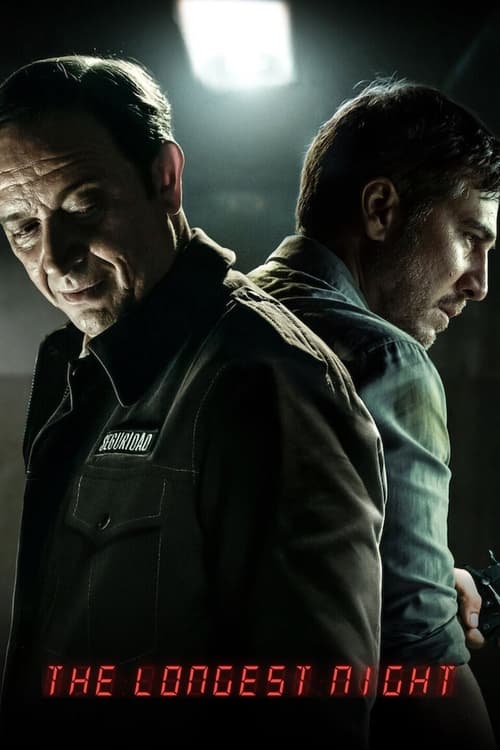
The story begins in a small coastal town in Spain, where a group of armed men, led by a character named Manuel, takes control of a local prison during a night shift. The prison is housing a notorious serial killer, who is the target of the armed group. The men are determined to extract the killer, and they take the prison staff and inmates hostage, creating a tense and dangerous situation.
As the takeover unfolds, we are introduced to the prison's director, a woman named Elena, who is determined to protect her staff and the inmates. She quickly assesses the situation and begins to strategize on how to negotiate with the armed men. Meanwhile, the hostages, including guards and inmates, react with fear and confusion, each dealing with the crisis in their own way. Some inmates see this as an opportunity to escape, while others are paralyzed by fear.
The armed group makes their demands clear: they want the serial killer, who is known as "The Beast," released in exchange for the hostages. As the night progresses, tensions rise, and the hostages begin to form alliances, trying to figure out how to survive the ordeal. Elena tries to communicate with the armed men, attempting to buy time and gather information about their motives and plans.
In a pivotal moment, one of the guards, who is secretly in league with the armed group, reveals his true intentions. He sabotages Elena's efforts to negotiate, leading to a violent confrontation between the armed men and the prison staff. This betrayal deepens the sense of mistrust among the hostages, as they realize that not everyone is on the same side.
As the night continues, the situation escalates. The armed men begin to execute hostages one by one to demonstrate their seriousness. Elena, desperate to save lives, devises a plan to create a diversion. She manages to communicate with a few trusted guards, and they work together to create chaos, allowing some of the hostages to escape.
During this chaos, one of the inmates, who has been observing the armed men closely, takes a risk and confronts them. He uses his knowledge of the prison layout to his advantage, leading to a tense standoff. The inmate's bravery inspires others to fight back, and a physical confrontation breaks out between the hostages and the armed men.
In the midst of the chaos, Elena discovers that the serial killer has his own agenda. He manipulates the situation to his advantage, revealing that he has been planning his escape all along. This revelation shocks everyone and shifts the focus of the conflict. The armed men realize they have been used, and tensions flare as they confront the killer.
As the night wears on, the prison becomes a battleground. The hostages, now united in their fight for survival, launch a coordinated effort to overpower the armed men. They use makeshift weapons and their knowledge of the prison to gain the upper hand. The fight is brutal, with injuries on both sides, but the hostages manage to gain control of key areas of the prison.
In a climactic moment, Elena faces off against Manuel, the leader of the armed group. Their confrontation is intense, filled with emotional stakes as Elena fights not just for her life but for the lives of everyone in the prison. She uses her wits and determination to outsmart him, ultimately leading to his defeat.
As dawn approaches, the remaining armed men are either captured or killed, and the hostages begin to regroup. The serial killer, however, manages to escape in the chaos, leaving a lingering sense of dread. The final scenes show the aftermath of the night, with the surviving hostages and prison staff grappling with the trauma of their experience.
The story concludes with a sense of unresolved tension, as the escaped killer remains at large, hinting at the possibility of future confrontations and the lasting impact of the night on everyone involved.





What is the ending?
In the ending of "The Longest Night," the tension culminates as the characters confront their fates. The police station is besieged, and the hostages face dire circumstances. Key characters make critical decisions that lead to a resolution of the conflict, with some finding redemption while others meet tragic ends.
As the final moments unfold, the main characters grapple with their choices, revealing their true natures and motivations. The story concludes with a sense of closure for some, while others are left with unresolved fates, emphasizing the themes of sacrifice, morality, and the consequences of one's actions.
The final scenes of "The Longest Night" unfold in a gripping and intense atmosphere, filled with palpable tension and emotional stakes.
Scene 1: The police station is under siege. The camera pans across the dimly lit interior, where hostages are huddled together, fear etched on their faces. The sound of gunfire echoes outside, and the air is thick with anxiety. The main characters, including the determined police officer, the conflicted criminal leader, and the frightened hostages, are all acutely aware that their lives hang in the balance.
Scene 2: Inside the station, the police officer, who has been a steadfast figure throughout the ordeal, takes charge. Her resolve is evident as she tries to maintain order among the hostages. She reassures them, her voice steady despite the chaos outside. Her internal struggle is palpable; she is torn between her duty to protect and the fear of failing those she is meant to save.
Scene 3: Meanwhile, the criminal leader, who has shown glimpses of vulnerability throughout the series, grapples with his own demons. He reflects on his past choices, the life of crime that led him to this moment. As he interacts with the hostages, there are moments of connection, revealing his complex character. He is not just a villain; he is a man shaped by circumstances, and the weight of his decisions begins to crush him.
Scene 4: The tension escalates as the police outside prepare to storm the building. The officer makes a bold decision to negotiate with the criminal leader, hoping to find a peaceful resolution. Their conversation is fraught with emotion, as both characters reveal their motivations and fears. The officer's determination to save lives clashes with the criminal's desperation, leading to a heart-wrenching standoff.
Scene 5: As the police breach the station, chaos erupts. The camera captures the frantic movements of both the officers and the criminals. In the ensuing conflict, several characters face their fates. The officer fights valiantly, showcasing her bravery, while the criminal leader makes a choice that ultimately leads to his downfall. In a moment of clarity, he sacrifices himself to save a hostage, revealing a flicker of redemption in his character.
Scene 6: The aftermath is somber. The surviving hostages are freed, but the emotional toll is evident. The officer stands amidst the wreckage, her expression a mix of relief and sorrow. She has saved lives, but at a great cost. The camera lingers on her face, capturing the weight of her experiences.
Scene 7: In the final moments, the surviving characters reflect on the night's events. The officer is left contemplating her role in the chaos, while the remaining hostages share their gratitude and grief. The screen fades to black, leaving the audience with a lingering sense of the complexities of human nature and the consequences of choices made in desperate times.
In conclusion, the fates of the main characters are intertwined with the themes of sacrifice and redemption. The officer emerges as a hero, but she is forever changed by the night's events. The criminal leader, despite his tragic end, finds a moment of redemption, while the hostages are left to grapple with their trauma. The story closes on a note of reflection, emphasizing the lasting impact of the longest night on all involved.
Is there a post-credit scene?
In "The Longest Night," there is no post-credit scene. The series concludes its narrative without additional scenes after the credits, focusing instead on wrapping up the intense and suspenseful storyline that unfolds throughout the episodes. The final moments of the last episode provide a resolution to the characters' arcs and the overarching conflict, leaving viewers with a sense of closure rather than teasing future developments. The emotional weight of the characters' journeys is emphasized in these concluding scenes, making the absence of a post-credit scene a deliberate choice to maintain the story's impact.
What motivates the character of Manuel in The Longest Night?
Manuel, the protagonist, is driven by a deep sense of responsibility and a desire to protect his family and community. His internal conflict is heightened by the pressure of the hostage situation, forcing him to confront his past mistakes and the lengths he will go to for redemption.
How does the hostage situation unfold in the first episode?
The hostage situation begins when a group of armed men takes over a police station during a night shift. Tensions rise as the police officers, including Manuel, must navigate the chaos while trying to keep the hostages safe, leading to a series of intense confrontations and emotional breakdowns.
What is the significance of the character of the police chief, who is also Manuel's mentor?
The police chief serves as a moral compass for Manuel, representing the ideals of justice and duty. Their relationship is strained as the crisis unfolds, revealing the chief's own vulnerabilities and the weight of his expectations on Manuel, which adds layers to Manuel's character development.
How do the personal backstories of the hostages influence their actions during the crisis?
Each hostage has a unique backstory that shapes their reactions to the crisis. For instance, one hostage is a journalist with a hidden agenda, while another is a former criminal seeking redemption. These backstories create tension and alliances among the hostages, complicating their dynamics and decisions throughout the ordeal.
What role does the setting of the police station play in the story?
The police station serves as a claustrophobic and tense backdrop for the unfolding drama. Its confined spaces amplify the characters' emotional states, creating a sense of urgency and danger. The setting also symbolizes the breakdown of order and safety, reflecting the chaos that ensues as the night progresses.
Is this family friendly?
"The Longest Night" is a tense thriller that contains several elements that may not be suitable for children or sensitive viewers. Here are some potentially objectionable aspects:
-
Violence: The series features scenes of intense violence, including confrontations that may involve physical harm and threats to characters' lives.
-
Psychological Tension: The show is steeped in psychological suspense, which can create a sense of fear and anxiety. Characters often face life-threatening situations that can be distressing.
-
Mature Themes: The narrative explores dark themes such as crime, betrayal, and moral ambiguity, which may be difficult for younger audiences to process.
-
Strong Language: There are instances of strong language throughout the series, which may not be appropriate for children.
-
Emotional Distress: Characters experience significant emotional turmoil, including fear, desperation, and trauma, which can be upsetting to sensitive viewers.
Overall, the series is designed for a mature audience and may not be suitable for children or those who are sensitive to intense emotional and psychological content.