










Popular
What are the main conflicts faced by the protagonist in Father is steering?
How does the relationship between the father and his teenage child evolve throughout the series?
What role does the father's own father play in the story?
What significant events challenge the father's parenting skills in the series?
How do secondary characters influence the main character's journey in Father is steering?
Should I watch it?
Ask Your Own Question

What is the plot?
"Father is Steering" begins with a serene morning in a small coastal town, where we meet the protagonist, Daniel, a devoted father and a skilled fisherman. He is seen preparing his boat for the day, his son, Leo, a curious and adventurous twelve-year-old, eagerly helping him. Their bond is evident as they share light-hearted banter, showcasing Daniel's nurturing nature and Leo's admiration for his father.
As they set out to sea, Daniel reflects on the challenges of being a single parent after the loss of his wife, which weighs heavily on him. The scene shifts to a flashback of Daniel and his wife, Sarah, sharing dreams about their future, emphasizing the emotional void her absence has left in their lives. This moment deepens the audience's understanding of Daniel's motivations to provide a stable life for Leo.
Later that day, while fishing, Daniel and Leo discover a mysterious, abandoned boat drifting in the water. Curiosity piqued, they approach it, only to find it filled with supplies and a journal belonging to a man named Marco, who had been searching for a legendary treasure rumored to be hidden nearby. This discovery ignites a spark of adventure in Leo, who convinces Daniel to pursue the treasure, seeing it as a way to bond and create lasting memories.
As they begin their treasure hunt, they encounter various challenges, including rough seas and a rival group of treasure hunters led by a ruthless man named Victor. Victor's crew is aggressive and determined, creating tension and danger for Daniel and Leo. The first confrontation occurs when Victor's crew attempts to intimidate Daniel and Leo off the treasure trail, leading to a heated exchange where Daniel stands his ground, showcasing his protective instincts.
The story progresses as Daniel and Leo decipher clues from Marco's journal, leading them to hidden locations along the coastline. Each location reveals more about Marco's life and the sacrifices he made for his family, paralleling Daniel's own struggles. The emotional stakes rise as Daniel grapples with the fear of failing Leo, while Leo becomes increasingly invested in the adventure, seeing it as a way to honor his mother's memory.
In a pivotal scene, Daniel and Leo finally locate a hidden cave that Marco had described. Inside, they find remnants of the treasure, but also traps set to protect it. As they navigate the cave, they face physical challenges, including a collapsing tunnel that forces them to work together to escape. This moment solidifies their bond, as Daniel realizes that the journey has brought them closer than ever.
However, Victor's crew catches up to them, leading to a tense standoff at the cave entrance. A fight ensues, with Daniel and Leo using their wits and teamwork to fend off Victor's men. Daniel's protective instincts are on full display as he shields Leo from harm, showcasing his determination to keep his son safe at all costs.
After a fierce struggle, Daniel and Leo manage to outsmart Victor's crew, leading them into a trap of their own. They escape the cave with a portion of the treasure, but not without sustaining injuries and emotional scars from the confrontation. This victory is bittersweet, as Daniel realizes that the treasure is not what truly matters; it is the time spent with Leo that has been the real treasure all along.
The climax of the story occurs when Daniel and Leo return home, where they are met with mixed emotions. Daniel feels a sense of accomplishment but is also haunted by the dangers they faced. Leo, on the other hand, is exhilarated by the adventure and eager to share their story with friends. This moment highlights the contrasting emotional states of the characters, as Daniel reflects on the risks taken for the sake of adventure.
In the final scenes, Daniel decides to use a portion of the treasure to create a memorial for Sarah, honoring her memory and the family they once were. This decision signifies Daniel's acceptance of his past and his commitment to moving forward with Leo. The series ends with a poignant moment between father and son, as they stand together at the memorial, looking out at the sea, symbolizing hope and the promise of new beginnings.
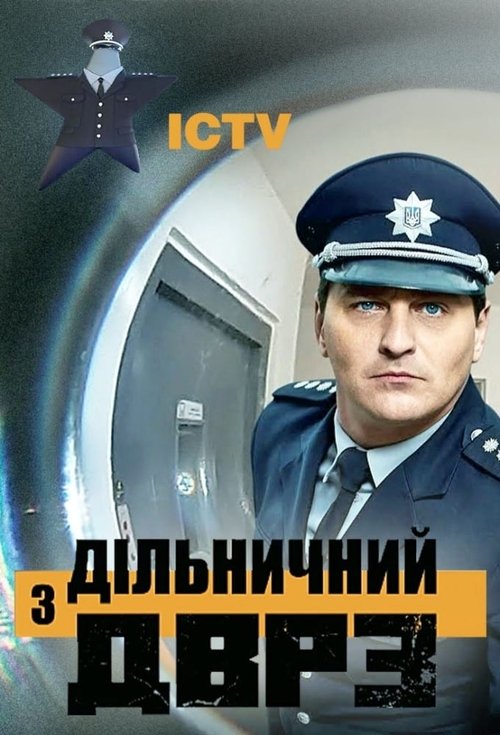








What is the ending?
In the ending of "Father is Steering," the main character, a father named Jae-suk, confronts the reality of his strained relationship with his son, Min-ho. After a series of emotional confrontations and revelations, Jae-suk ultimately decides to let go of his controlling nature, allowing Min-ho to pursue his own path. The story concludes with a poignant moment of reconciliation between them, symbolizing hope for their future relationship.
As the final scenes unfold, we see Jae-suk sitting alone in his dimly lit living room, the weight of his decisions heavy on his shoulders. The camera captures the lines of worry etched on his face, reflecting the internal struggle he has faced throughout the series. He gazes at a family photo on the wall, a reminder of happier times, and the longing for connection is palpable.
In the next scene, Min-ho stands outside, looking up at the stars, a metaphor for his aspirations and dreams that have often been overshadowed by his father's expectations. He takes a deep breath, contemplating the choices he has made and the distance that has grown between him and Jae-suk. The night is quiet, but the tension in the air is thick with unspoken words.
The pivotal moment arrives when Jae-suk decides to reach out to Min-ho. He steps outside, the cool night air brushing against his skin, and calls out to his son. Min-ho turns, surprise flickering across his face. The two stand at a distance, the moonlight illuminating their expressions--Jae-suk's vulnerability and Min-ho's guardedness.
As they begin to talk, the dialogue is filled with raw emotion. Jae-suk admits his fears of losing Min-ho to the world, revealing the insecurities that have driven his controlling behavior. Min-ho, in turn, shares his feelings of suffocation and the desire to forge his own identity. The conversation is tense, but it gradually shifts from confrontation to understanding.
In a powerful moment of vulnerability, Jae-suk reaches out, placing a hand on Min-ho's shoulder. This gesture signifies a turning point; it is an acknowledgment of his son's autonomy and a promise to support him. Min-ho, taken aback, finally allows himself to express his own fears and dreams, breaking down the walls that have kept them apart.
The scene transitions to a montage of their lives moving forward. Jae-suk is seen attending Min-ho's art exhibition, a culmination of his son's hard work and passion. The pride in Jae-suk's eyes is unmistakable as he watches Min-ho interact with guests, his son finally stepping into the light.
The final shot captures the two of them walking side by side, a newfound sense of camaraderie between father and son. The camera pulls back, revealing the bustling city around them, symbolizing the vast possibilities that lie ahead. The screen fades to black, leaving the audience with a sense of hope and the understanding that while the journey of reconciliation is ongoing, the bond between Jae-suk and Min-ho has been irrevocably strengthened.
In summary, Jae-suk learns to relinquish control, Min-ho embraces his individuality, and their relationship transforms into one of mutual respect and understanding, setting the stage for a brighter future.
Is there a post-credit scene?
In the TV show "Father is Steering," produced in 2020, there is indeed a post-credit scene that adds an intriguing layer to the narrative.
As the credits roll, the screen fades to black before transitioning to a dimly lit room filled with various nautical maps and models of ships. The camera slowly pans across the cluttered desk, revealing a weathered journal with the title "The Journey Ahead" embossed on the cover.
The scene then shifts to a close-up of a hand flipping through the pages, revealing sketches and notes that hint at future adventures and unresolved mysteries. The hand belongs to the protagonist, who is seen deep in thought, a furrowed brow indicating a mix of determination and anxiety.
Suddenly, the door creaks open, and a familiar character enters the room. It's the protagonist's estranged sibling, who has been absent throughout much of the series. Their expression is a blend of apprehension and hope, suggesting a desire for reconciliation.
The sibling approaches the protagonist, and after a moment of silence, they exchange a meaningful glance. The tension in the air is palpable, as both characters grapple with their past grievances and the uncertain future ahead.
The scene ends with the protagonist finally breaking the silence, saying, "We have a lot to discuss," as the camera zooms out, leaving viewers with a sense of anticipation for what lies ahead in their relationship and the adventures that await them. The screen fades to black once more, leaving the audience with lingering questions and excitement for the next chapter.
What are the main conflicts faced by the protagonist in Father is steering?
The protagonist, a father navigating the complexities of parenthood, faces several conflicts including balancing work and family life, dealing with the challenges of raising a teenager, and reconciling his own past mistakes with his desire to be a better parent. These conflicts are heightened by external pressures from his job and societal expectations.
How does the relationship between the father and his teenage child evolve throughout the series?
Initially, the relationship is strained, marked by misunderstandings and generational clashes. As the series progresses, pivotal moments such as shared experiences and heartfelt conversations lead to a deeper understanding and bond between them, showcasing their growth and the father's commitment to being present in his child's life.
What role does the father's own father play in the story?
The father's own father serves as a contrasting figure, representing traditional values and outdated parenting methods. His presence often triggers flashbacks and reflections in the protagonist, forcing him to confront his own upbringing and the lessons he wants to break away from, ultimately influencing his parenting style.
What significant events challenge the father's parenting skills in the series?
Key events include the child's first romantic relationship, a school crisis that tests the father's ability to communicate effectively, and a family emergency that forces the father to prioritize his child's needs over his own. Each event serves as a catalyst for character development and highlights the father's struggles and triumphs.
How do secondary characters influence the main character's journey in Father is steering?
Secondary characters, such as the father's friends and the child's schoolmates, provide both support and challenges. Friends offer advice and comic relief, while schoolmates introduce peer pressure and social dynamics that complicate the father-child relationship. These interactions enrich the narrative, showcasing the community's impact on their lives.
Is this family friendly?
"Father is Steering," produced in 2020, is a family-oriented show that generally aims to be suitable for a wide audience, including children. However, there are a few aspects that might be considered objectionable or upsetting for younger viewers or sensitive individuals:
-
Emotional Conflict: The show features scenes of family disagreements and emotional turmoil, which may be intense for younger audiences. Characters often grapple with feelings of disappointment, frustration, and sadness.
-
Parental Struggles: There are moments that depict the challenges of parenting, including stress and anxiety, which could resonate with children who may not fully understand these adult themes.
-
Mild Language: Some characters may use mild language or expressions of frustration that could be deemed inappropriate for very young viewers.
-
Dramatic Tension: The show includes scenes of dramatic tension that may evoke feelings of anxiety or concern, particularly in moments where family members face difficult decisions or conflicts.
-
Life Lessons: While the show aims to impart positive messages, some of the lessons may involve difficult topics such as loss, failure, or the complexities of relationships, which could be heavy for younger viewers.
Overall, while "Father is Steering" is designed to be family-friendly, parents may want to preview episodes to gauge their suitability for their children based on individual sensitivities.







