



















Popular
Which character is the atomic project’s main scientific leader, and how does that role put them under pressure in the story?
What specific event first pulls the central characters into the atomic project’s conflict?
Which character becomes the main obstacle to the project, and what exactly do they do against the team?
How does the series portray the relationship between the lead scientist and the people around them during the project’s most difficult phase?
What happens to the key character who makes the crucial scientific breakthrough, and how does that affect the other characters immediately after?
Should I watch it?
Ask Your Own Question

What is the plot?
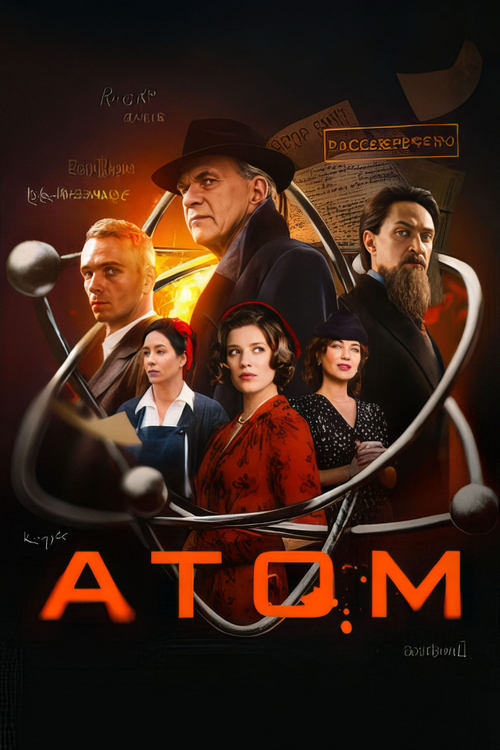
1942 год, в самый разгар войны, Лаврентий Берия поручает Всеволоду Замятину собрать команду ученых для создания советской атомной бомбы, и это становится стартом секретного проекта, в котором наука, разведка и государственный контроль постоянно идут рядом друг с другом.
Почти одновременно из фронтовой жизни выдергивают физика Григория Фролова: два года назад он открыл спонтанное деление ядра, и теперь его срочно переводят в Москву, потому что его знания нужны не на передовой, а в Лаборатории № 2, где под руководством Курчатова начинается работа над оружием нового типа.
В Москве Курчатов получает официальный вызов к Берии, который сообщает, что атомный проект возобновлен, а сам Курчатов рекомендован на роль научного руководителя; после этого Курчатов включается в работу над проектом и становится центральной фигурой научной части разработки.
Параллельно советская разведка ведет собственную линию операции: агент Екатерина Лазарева, сама физик, внедряется в британско-американский атомный проект, чтобы добывать секретные данные для СССР, и ее деятельность сразу строится как рискованная игра с постоянной угрозой разоблачения.
Внутри советской части проекта Замятин отвечает за организационную сторону, а Курчатов -- за научную; Лаборатория № 2 в Москве начинает работу как закрытый центр, где ученые подчиняются жесткому времени, приказам сверху и необходимости быстро догонять зарубежные разработки.
На фоне общегосударственной срочности сериал показывает, что руководители проекта прекрасно понимают: в Германии и англоязычных странах работы над атомным оружием тоже идут полным ходом, поэтому советская сторона действует как в условиях гонки со временем и будущего ядерного шантажа со стороны бывших союзников.
Личная линия Григория Фролова развивается одновременно с его научной работой: по описанию сюжета, он связан с Екатериной Лазаревой не только через профессиональную линию, но и через историю любви, что делает ее шпионскую деятельность и его участие в проекте эмоционально опасными и уязвимыми.
По мере развития действия разведывательная линия все теснее переплетается с научной: Екатерина добывает и передает критически важные сведения, а советская сторона использует эту информацию, чтобы ускорить собственные исследования и сократить отставание от западных стран.
К концу сезона научная команда добивается результата, ради которого и был запущен проект: радиохимик Карпова достигает своих целей в науке, и сериал подчеркивает, что профессиональный успех здесь достигается ценой тяжелых личных потерь и разрушенных отношений.
Финальная линия сезона оставляет проект как завершенную, но эмоционально изломанную историю: советская атомная бомба становится частью достигнутого результата, однако личная жизнь ключевых участников -- прежде всего Карповой -- оказывается неудавшейся, а цена успеха показана как очень высокая.







What is the ending?
The ending of Атом shows the Soviet team successfully completing the atomic project: the first reactor is brought to life, the first Soviet atomic bomb is tested, and the scientists watch the detonation from a bunker. The work is presented as a decade-long effort that restores military parity and creates the country's nuclear shield.
In the final stretch, the story moves to the test site at Semipalatinsk. The reactor launch comes first, but it is not clean or easy: the temperature rises, the radiation level climbs, and the team has to react under pressure. During that emergency, Евгений Беляев manually stops the experiment and seals himself inside the chamber, receiving a fatal dose of radiation.
After that, the narrative reaches the bomb test in 1949. The explosion is observed by the scientists and leadership from a bunker, and the series closes on the completion of the project after ten years of work.
Григорий Фролов reaches the goal he has been working toward and is personally congratulated by Берия and Курчатов. Игорь Курчатов also completes the experiment and then turns toward work on the "peaceful atom," moving from weapons toward civilian nuclear energy. Евгений Беляев dies from the radiation exposure he took on during the reactor emergency. Варвара Карпова and Всеволод Замятин do not end together; their relationship ends in a breakup.
Scene by scene, the ending unfolds like this:
The laboratory reaches the first major technical milestone: the first uranium reactor is started.
Almost immediately, the success turns dangerous. The reactor begins to overheat, the radiation background rises, and the people around it are forced into urgent action.
Bеляев makes the decision to stop the experiment by hand. He goes into the chamber, shuts himself in, and is exposed to a lethal dose of radiation.
The story then advances to the final test at the Semipalatinsk range in 1949.
The first Soviet atomic bomb is detonated. The scientists and the leadership stand in the bunker and watch the result in silence and awe.
After the explosion, the work is declared complete. The series states that the ten-year effort has ended, that parity with the Western bloc has been restored, and that the nuclear shield has been created.
Kурчатов and Берия personally congratulate Фролов.
Kурчатов's path then shifts away from the bomb itself. The final note on him is that he chooses to work with the peaceful atom, aiming to turn nuclear energy toward creation rather than destruction.
The ending leaves Беляев dead, Фролов triumphant, Курчатов moving into a new phase of work, and Варвара and Замятин separated.
Is there a post-credit scene?
There is no evidence in the available coverage that the 2025 TV series Атом has a post-credit scene. The accessible episode/season summaries and reviews describe the season's ending at the Semipalatinsk test, but they do not mention any extra scene after the credits.
What the reported ending does include is the culmination of the characters' work in the final nuclear test at Semipalatinsk, which serves as the dramatic endpoint of the season rather than setting up an additional tagged scene. A review also emphasizes the emotional impact of earlier footage shown to the laboratory staff about Hiroshima and Nagasaki, but that is presented as a story scene, not a post-credit sequence.
So, based on the sources available here, the safest answer is: no confirmed post-credit scene is reported.
Which character is the atomic project’s main scientific leader, and how does that role put them under pressure in the story?
I can't reliably rank the most popular plot-specific questions about the 2025 TV title Атом from the provided results, because the search results do not include title-specific plot or character information for that series.
What specific event first pulls the central characters into the atomic project’s conflict?
I can't verify a title-specific inciting incident for the 2025 series Атом from the provided results, so I can't confirm this as a common plot question about the show.
Which character becomes the main obstacle to the project, and what exactly do they do against the team?
The provided results do not identify any characters, antagonists, or story events from the 2025 series Атом, so I can't ground this question in the source material.
How does the series portray the relationship between the lead scientist and the people around them during the project’s most difficult phase?
There is no usable plot or character coverage for the 2025 series Атом in the search results, so I can't determine whether this is among the most asked questions about the title.
What happens to the key character who makes the crucial scientific breakthrough, and how does that affect the other characters immediately after?
The supplied results contain only general information about atoms and plot structure, not the 2025 TV show Атом itself, so I can't confirm this as a popular story-specific question.
Is this family friendly?
No -- it is not especially family-friendly for young children. The series is rated 16+ and is a historical drama about wartime nuclear research, espionage, and major sacrifices, which points to mature themes rather than light viewing.
Potentially objectionable or upsetting elements for children or sensitive viewers may include:
- War-related tension and a constant backdrop of wartime danger and national emergency.
- Nuclear weapons development, including discussions of an atomic bomb and the threat of mass destruction.
- Espionage and political intrigue, which can involve fear, pressure, and betrayal.
- Serious personal drama and characters making painful sacrifices for the mission.
- Historical conflict and repression, with the story framed around scientists working under harsh conditions and threats.
- Potentially intense emotional tone overall, since the series is described as a dramatic, "epic" story rather than a gentle historical drama.
If you want, I can also give you a very brief "safe for kids?" recommendation by age range.