






































Popular
What is the significance of the character Norman Ellison in the film Fury?
How does the relationship between Wardaddy and Norman evolve throughout the film?
What role does the tank Fury play in the story and how does it symbolize the crew's struggles?
What is the significance of the final battle scene in Fury?
How does the character of Grady Travis contribute to the dynamics within the tank crew?
Should I watch it?
Ask Your Own Question

What is the plot?
Sorry, we aren't able to watch and write up a full detailed plot yet. Check back in a few days.
More Movies Like This
Browse All Movies →



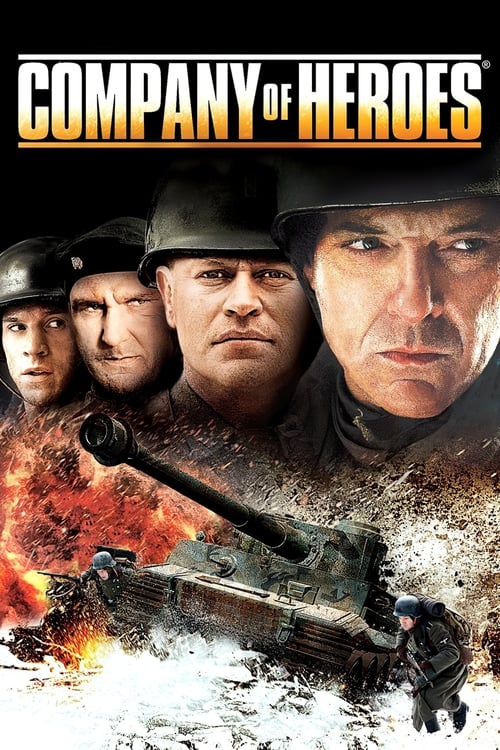


What is the ending?
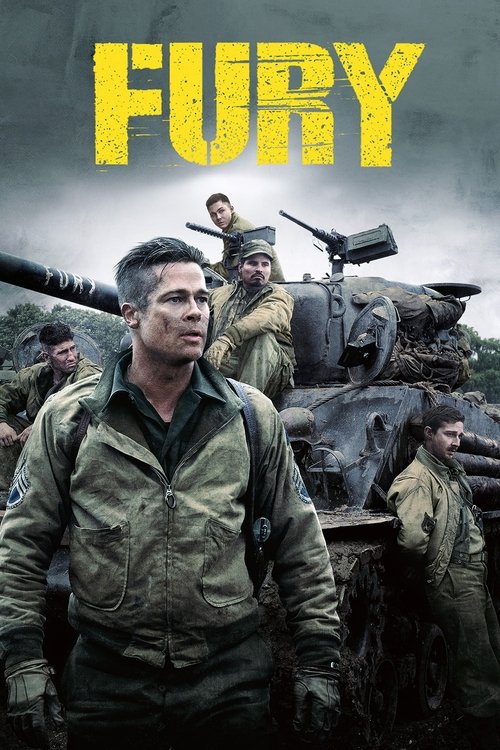
In the ending of "Fury," the tank crew, led by Sergeant Don "Wardaddy" Collier, faces a final, desperate battle against overwhelming German forces. After a fierce fight, they are ultimately outnumbered and outgunned. Wardaddy sacrifices himself to protect the remaining crew members, while the young soldier Norman Ellison survives, witnessing the brutality of war and the loss of his comrades.
As the battle concludes, Norman is left alone, surrounded by the bodies of his fallen friends, reflecting on the horrors of war and the cost of survival.
As the climax of "Fury" unfolds, the scene is set in a devastated German town, where the tank crew, known as "Fury," prepares for their final stand. The atmosphere is thick with tension, the air heavy with the sounds of distant gunfire and the smell of smoke and destruction. The crew--Sergeant Don "Wardaddy" Collier, the seasoned and hardened leader; the loyal but troubled driver, Trini "Gordo" Garcia; the sharpshooter, Grady "Coon-Ass" Travis; and the young, inexperienced Norman Ellison--are aware that they are vastly outnumbered.
The crew takes refuge in their tank, Fury, as they receive orders to hold a strategic crossroads. The weight of their mission hangs heavily on Wardaddy, who is determined to protect his men at all costs. As they prepare for the impending assault, the camaraderie among the crew is palpable, but so is the underlying fear of what is to come. Norman, still grappling with the horrors he has witnessed, feels the pressure of his role in this brutal conflict.
The battle begins with a sudden onslaught of German soldiers and tanks. Fury engages in a fierce firefight, the tank's cannon roaring as it takes out enemy vehicles. The crew works in unison, their training and bond evident as they navigate the chaos. However, the enemy forces are relentless, and the crew soon finds themselves surrounded. The tension escalates as they realize the odds are stacked against them.
In a pivotal moment, Wardaddy makes the decision to stay and fight, knowing that retreat is not an option. He rallies his men, instilling a sense of purpose and determination. As the battle rages on, the crew suffers casualties; Gordo is killed, and the emotional toll weighs heavily on the remaining members. The once tight-knit group is now fractured, with the specter of death looming over them.
As the fight intensifies, Wardaddy's leadership shines through. He fights valiantly, but the enemy's numbers are overwhelming. In a final act of bravery, he sacrifices himself to save Norman, pushing him to escape while he stays behind to confront the advancing German soldiers. Wardaddy's last stand is a testament to his character, showcasing his fierce loyalty to his crew and his unwillingness to abandon them.
Norman, now alone, witnesses the brutal end of his comrades. The camera lingers on the aftermath of the battle, capturing the devastation and loss. As he emerges from the tank, he is surrounded by the bodies of his fallen friends, the weight of their sacrifice heavy on his heart. The emotional impact of the war is laid bare, leaving Norman to grapple with the reality of survival in a world marred by violence.
In the final moments, Norman is left to reflect on the cost of war, the loss of his brothers-in-arms, and the haunting memories that will follow him. The film closes with a poignant silence, emphasizing the profound effects of conflict on those who endure it. The fate of each character is sealed in the chaos of battle, leaving Norman as the sole survivor, forever changed by the experiences he has faced.
Is there a post-credit scene?
The movie "Fury," produced in 2014, does not have a post-credit scene. The film concludes with a powerful and emotional ending that leaves a lasting impact on the audience, focusing on the sacrifices made by the characters during World War II. After the climactic battle, the film wraps up without any additional scenes during or after the credits, emphasizing the gravity of the story rather than providing a lighter or more humorous moment typical of post-credit scenes in other films.
What is the significance of the character Norman Ellison in the film Fury?
Norman Ellison, played by Logan Lerman, is a young soldier who is thrust into the brutal realities of war when he joins the crew of the tank Fury. His character represents innocence and the struggle to maintain humanity amidst the horrors of combat. Initially, he is terrified and inexperienced, which creates tension with the seasoned crew members, particularly with Sergeant Don 'Wardaddy' Collier, played by Brad Pitt. As the story progresses, Norman's transformation from a naive clerk to a hardened soldier is central to the narrative, showcasing the psychological toll of war.
How does the relationship between Wardaddy and Norman evolve throughout the film?
The relationship between Wardaddy and Norman evolves significantly throughout Fury. Initially, Wardaddy is frustrated with Norman's lack of combat experience and his reluctance to kill. However, as the film progresses, Wardaddy takes on a mentor role, pushing Norman to confront his fears and embrace the harsh realities of war. This dynamic is marked by moments of tough love, where Wardaddy forces Norman to participate in violent acts, ultimately leading to a bond forged in the crucible of battle. By the end, Norman's transformation earns Wardaddy's respect, but it also highlights the tragic cost of war on their humanity.
What role does the tank Fury play in the story and how does it symbolize the crew's struggles?
The tank Fury itself is a central character in the film, symbolizing both the crew's struggles and their camaraderie. As the story unfolds, Fury is depicted as a formidable yet battered machine, reflecting the toll of war on its crew. The tank serves as a sanctuary for the soldiers, a place where they share their fears, hopes, and losses. Each battle they face in Fury tests their limits and solidifies their bond, but it also represents the relentless brutality of war. The tank's eventual destruction serves as a poignant metaphor for the sacrifices made by the crew and the inevitable loss that accompanies their fight.
What is the significance of the final battle scene in Fury?
The final battle scene in Fury is a climactic and harrowing moment that encapsulates the film's themes of sacrifice and brotherhood. As the crew of Fury faces overwhelming odds against a superior German force, the scene is filled with intense action and emotional weight. Each character's motivations are laid bare as they confront their mortality and the reality of their situation. Wardaddy's leadership is put to the ultimate test, and the crew's loyalty to one another is highlighted as they make the decision to stand and fight rather than retreat. This scene serves as a powerful commentary on the costs of war, culminating in a tragic yet heroic stand that defines their legacy.
How does the character of Grady Travis contribute to the dynamics within the tank crew?
Grady Travis, portrayed by Shia LaBeouf, is a key member of the tank crew whose character adds depth to the dynamics within Fury. Grady is portrayed as a tough, battle-hardened soldier with a complex personality; he oscillates between being fiercely loyal to his comrades and displaying moments of vulnerability. His interactions with Norman often serve to highlight the harsh realities of war, as he tries to toughen Norman up while also revealing his own fears and regrets. Grady's character embodies the camaraderie and tension within the crew, and his eventual fate in the film underscores the unpredictable nature of war and the emotional scars it leaves on those who survive.
Is this family friendly?
"Fury," produced in 2014, is not considered family-friendly due to its intense and graphic content. Here are some potentially objectionable or upsetting aspects that may affect children or sensitive viewers:
-
Graphic Violence: The film contains numerous scenes of brutal combat, including gunfire, explosions, and hand-to-hand fighting, which are depicted in a very realistic and visceral manner.
-
Death and Injury: There are several scenes showing the aftermath of violence, including injured soldiers and the emotional toll of war, which can be distressing.
-
Strong Language: The dialogue includes frequent use of profanity and harsh language, reflecting the stress and camaraderie of soldiers in combat.
-
Mature Themes: The film explores themes of loyalty, sacrifice, and the psychological impact of war, which may be heavy and difficult for younger audiences to process.
-
Emotional Turmoil: Characters experience significant emotional distress, including fear, anger, and grief, which may be unsettling for sensitive viewers.
-
Depictions of War Atrocities: There are moments that depict the harsh realities of war, including the treatment of prisoners and the moral dilemmas faced by soldiers.
These elements contribute to the film's mature rating and may not be suitable for children or those who are sensitive to such content.








