













































Popular
What motivates Themistocles to unite the Greek city-states against the Persian invasion?
How does Artemisia's backstory influence her actions in the film?
What is the significance of the naval battle at Artemisium?
How does the relationship between Themistocles and Artemisia evolve throughout the film?
What role does the character of Xerxes play in the story, and how does he influence the events of the film?
Should I watch it?
Ask Your Own Question

What is the plot?
Sorry, we aren't able to watch and write up a full detailed plot yet. Check back in a few days.







What is the ending?
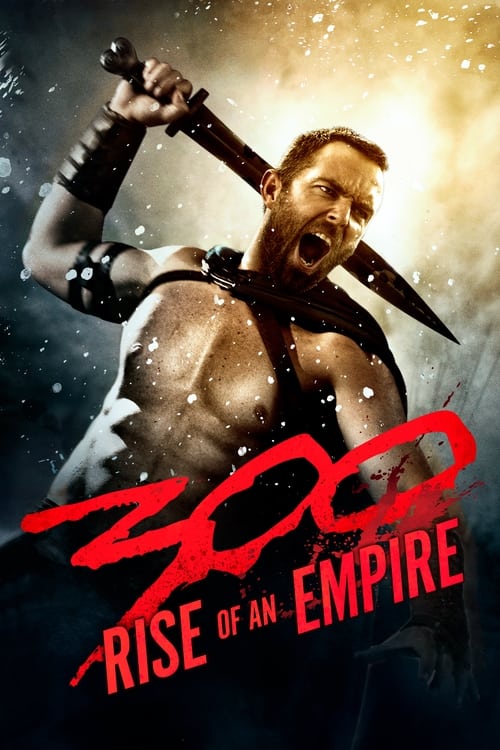
In the ending of "300: Rise of an Empire," the Greek general Themistocles leads his forces against the Persian navy, culminating in a fierce battle at sea. Themistocles faces off against the Persian commander Artemisia, who seeks revenge for her past. The battle concludes with a decisive victory for the Greeks, but Themistocles is left to confront the consequences of war and the sacrifices made by his men.
As the film progresses toward its climax, the tension builds on the battlefield. Themistocles, portrayed as a determined and strategic leader, rallies his troops, knowing that their fight is not just for survival but for the freedom of Greece. The naval battle unfolds in the Aegean Sea, where the Greek ships, led by Themistocles, engage the larger and more powerful Persian fleet commanded by Artemisia.
Scene by scene, the battle is marked by chaos and valor. Themistocles demonstrates his tactical prowess, using the environment to his advantage. He orders his ships to maneuver in a way that confuses the Persian forces, creating openings for attack. The camera captures the intensity of the fight, with ships colliding, arrows raining down, and warriors fighting fiercely on deck. Themistocles is driven by a desire to unite the Greek city-states against a common enemy, and his resolve is palpable as he fights alongside his men.
Artemisia, a fierce and vengeful warrior, is equally determined. Her backstory reveals her motivations, having been shaped by loss and betrayal. As the battle rages on, she confronts Themistocles directly, and their clash is not just physical but ideological. She embodies the Persian ambition and seeks to crush the Greek spirit. The two engage in a brutal duel, showcasing their skills and contrasting philosophies.
As the battle reaches its peak, Themistocles manages to outmaneuver Artemisia, leading to a pivotal moment where he gains the upper hand. In a final confrontation, he offers her a chance to surrender, but she refuses, driven by her desire for vengeance. Themistocles ultimately defeats her, but not without recognizing the complexity of their conflict. Artemisia's fate is sealed as she meets her end, a tragic figure consumed by her own rage and ambition.
The film concludes with Themistocles standing victorious but somber. He reflects on the cost of war, the lives lost, and the sacrifices made by his men. The victory is bittersweet, as he understands that the fight for freedom is ongoing. The final scenes depict the aftermath of the battle, with the Greek forces celebrating their triumph, yet Themistocles is left contemplating the future and the challenges that lie ahead.
In summary, the ending of "300: Rise of an Empire" encapsulates the themes of sacrifice, leadership, and the relentless pursuit of freedom. Themistocles emerges as a hero, but the victory is shadowed by the losses endured, highlighting the harsh realities of war. Artemisia's demise serves as a reminder of the personal stakes involved in the larger conflict, and the film closes with a sense of unresolved tension, suggesting that the struggle for Greece is far from over.
Is there a post-credit scene?
In "300: Rise of an Empire," there is no post-credit scene. The film concludes with the final battle and the aftermath of the conflict between the Greeks and the Persians, leaving the audience with a sense of resolution regarding the fate of the characters and the outcome of the war. The focus remains on the epic struggle and the sacrifices made during the battles, rather than teasing any future events or sequels.
What motivates Themistocles to unite the Greek city-states against the Persian invasion?
Themistocles is driven by a deep sense of duty to protect Greece from the advancing Persian forces, particularly after witnessing the brutality of the Persian army led by Xerxes. His desire to unite the city-states stems from a vision of a free Greece, where the individual city-states can stand together against a common enemy. He is also motivated by personal ambition and the need to prove himself as a capable leader, especially after the death of King Leonidas.
How does Artemisia's backstory influence her actions in the film?
Artemisia's backstory reveals her traumatic past, having lost her family to the Greeks, which fuels her hatred towards them. This personal vendetta drives her to ally with Xerxes and seek revenge against the Greeks. Her experiences shape her ruthless and strategic mindset, making her a formidable adversary. She is not just a warrior; she embodies the pain of loss and the desire for power, which influences her decisions throughout the film.
What is the significance of the naval battle at Artemisium?
The naval battle at Artemisium is crucial as it serves as the primary setting for the conflict between the Greek forces led by Themistocles and the Persian navy commanded by Artemisia. This battle showcases the strategic importance of naval power in the war against Persia, highlighting the tactical maneuvers and the bravery of the Greek sailors. Themistocles' leadership and innovative tactics are put to the test, and the outcome of this battle significantly impacts the morale and unity of the Greek city-states.
How does the relationship between Themistocles and Artemisia evolve throughout the film?
The relationship between Themistocles and Artemisia is complex, marked by mutual respect and underlying tension. Initially, they share a moment of understanding, as both are warriors with a vision for their respective nations. However, as the battle intensifies, their ideologies clash. Themistocles sees the potential for unity among the Greeks, while Artemisia is driven by vengeance and loyalty to Xerxes. Their interactions are charged with emotional conflict, ultimately leading to a fierce rivalry as they fight for their beliefs.
What role does the character of Xerxes play in the story, and how does he influence the events of the film?
Xerxes serves as the overarching antagonist in '300: Rise of an Empire.' His ambition to conquer Greece and establish his empire drives the conflict of the film. Xerxes is portrayed as a god-like figure, embodying both power and tyranny. His influence is felt throughout the story, as he commands the Persian forces and manipulates Artemisia to achieve his goals. His presence looms over the Greek forces, instilling fear and urgency in their fight for survival, ultimately shaping the course of the war.
Is this family friendly?
"300: Rise of an Empire" is not considered family-friendly due to its intense and graphic content. Here are some potentially objectionable or upsetting aspects that may affect children or sensitive viewers:
-
Graphic Violence: The film features numerous battle scenes with explicit depictions of combat, including blood splatter, dismemberment, and brutal killings.
-
Sexual Content: There are scenes that include nudity and sexual situations, which may be inappropriate for younger audiences.
-
Strong Language: The dialogue contains profanity and harsh language that may not be suitable for children.
-
Themes of War and Death: The overarching themes of war, sacrifice, and the consequences of violence are prevalent throughout the film, which may be distressing for some viewers.
-
Intense Emotional Moments: Characters experience significant loss and betrayal, leading to emotional turmoil that could be upsetting.
These elements contribute to the film's rating and make it more appropriate for mature audiences.








