





























Popular
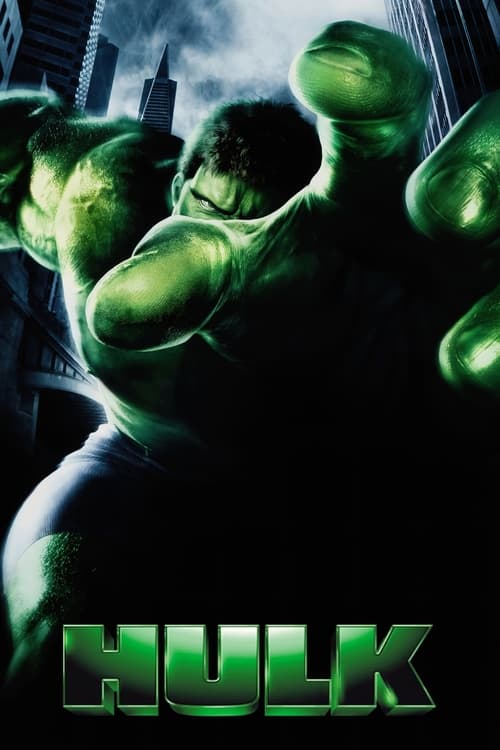
What causes Bruce Banner to transform into the Hulk?
What is the relationship between Bruce Banner and his father, David Banner?
How does Betty Ross influence Bruce Banner's character development?
What role does General Thaddeus 'Thunderbolt' Ross play in the story?
What is the significance of the final battle between the Hulk and the military?
Should I watch it?
Ask Your Own Question

What is the plot?
Sorry, we aren't able to watch and write up a full detailed plot yet. Check back in a few days.

What is the ending?
At the end of the 2003 film "Hulk," Bruce Banner confronts his father, David Banner, in a climactic battle. After a fierce struggle, Bruce, as the Hulk, ultimately overcomes his father, who is transformed into a monstrous creature. The film concludes with Bruce fleeing into the wilderness, grappling with his dual identity and the consequences of his powers.
In a more detailed narrative:
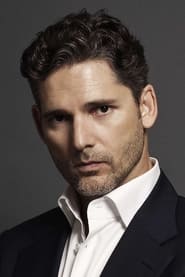
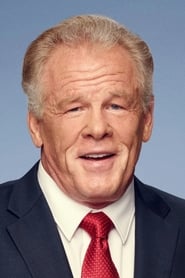
The final act of "Hulk" begins with Bruce Banner, portrayed by Eric Bana, grappling with the emotional turmoil of his past and the monstrous power that resides within him. After a series of events that lead to the revelation of his father's dark legacy, Bruce is drawn to confront his father, David Banner, played by Nick Nolte. David, who has been experimenting with his own genetic modifications, has transformed into a grotesque creature, embodying the very chaos and destruction that Bruce fears.
The confrontation takes place in a desolate area, where the tension is palpable. Bruce, now fully transformed into the Hulk, towers over his father, who is filled with a mix of rage and desperation. The two engage in a brutal battle, with the Hulk's immense strength clashing against David's monstrous form. The fight is intense, filled with visceral imagery as the Hulk smashes through the environment, showcasing his raw power and the emotional weight of his struggle.
As the battle escalates, Bruce's internal conflict becomes evident. He is not just fighting his father; he is battling the legacy of abuse and trauma that has haunted him throughout his life. The Hulk's rage is a manifestation of Bruce's pain, and as he fights, he begins to understand that he must confront not only his father but also the darkness within himself.
In a pivotal moment, Bruce gains the upper hand. He overpowers David, who is desperate and pleading for understanding. The emotional stakes are high as Bruce grapples with the choice between vengeance and compassion. Ultimately, Bruce chooses to subdue his father rather than destroy him, showcasing a moment of growth and self-awareness. He realizes that he does not have to repeat the cycle of violence that defined his father's life.
After the confrontation, David is left defeated, and Bruce, still in his Hulk form, retreats into the wilderness. The scene shifts to a serene landscape, contrasting sharply with the chaos of the battle. Bruce's departure signifies his ongoing struggle with his identity. He is a man torn between the desire for connection and the fear of the monster within him. As he walks away, the audience is left with a sense of ambiguity regarding his future.
The film concludes with Bruce Banner in isolation, hinting at his continued journey of self-discovery. The final moments show him in a meditative state, suggesting that while he has escaped the immediate conflict, the battle with his inner demons is far from over. The fate of Betty Ross, played by Jennifer Connelly, is left unresolved as she watches Bruce disappear, symbolizing the emotional distance that his transformation has created in their relationship. The film closes on a note of uncertainty, emphasizing the complexity of Bruce's character and the ongoing struggle between his human side and the Hulk.
Is there a post-credit scene?
The 2003 film "Hulk," directed by Ang Lee, does not have a post-credit scene. The film concludes with Bruce Banner, played by Eric Bana, on the run after the climactic battle with his father, David Banner, portrayed by Nick Nolte. The final moments show Bruce in a remote location, struggling with his inner demons and the Hulk persona, setting a tone of unresolved conflict and emotional turmoil. The absence of a post-credit scene leaves the audience with a sense of ambiguity regarding Bruce's future and the ongoing battle between his human side and the Hulk.
What causes Bruce Banner to transform into the Hulk?
Bruce Banner transforms into the Hulk due to exposure to gamma radiation during a failed experiment. The incident occurs when he attempts to replicate his father's research on gamma radiation, leading to an accident that results in his exposure to a massive dose of gamma rays. This traumatic event triggers his transformation into the Hulk whenever he experiences intense anger or stress.
What is the relationship between Bruce Banner and his father, David Banner?
Bruce Banner's relationship with his father, David Banner, is deeply troubled and complex. David, a scientist obsessed with his own experiments, subjected Bruce to abusive treatment during his childhood, believing that he could enhance his son's genetic potential. This abusive dynamic creates a rift between them, and Bruce struggles with feelings of abandonment and anger towards his father, which ultimately contributes to his transformation into the Hulk.
How does Betty Ross influence Bruce Banner's character development?
Betty Ross plays a crucial role in Bruce Banner's character development. As his love interest and a fellow scientist, she represents a source of emotional support and understanding for Bruce. Her compassion and concern for his well-being help him navigate his inner turmoil and the consequences of his transformations. Betty's unwavering belief in Bruce's humanity contrasts with the fear and aggression that the Hulk embodies, highlighting the duality of his character.
What role does General Thaddeus 'Thunderbolt' Ross play in the story?
General Thaddeus 'Thunderbolt' Ross is a significant antagonist in the story, driven by his desire to capture the Hulk and harness his power for military purposes. He is also Betty Ross's father, which adds a personal conflict to his pursuit of Bruce Banner. General Ross's relentless pursuit of the Hulk stems from his belief that the creature poses a threat to national security, leading to intense confrontations between him and Bruce, as well as the military's aggressive tactics against the Hulk.
What is the significance of the final battle between the Hulk and the military?
The final battle between the Hulk and the military is significant as it represents the culmination of Bruce Banner's internal struggle and the external conflict with those who seek to control or destroy him. The military, led by General Ross, attempts to subdue the Hulk using advanced weaponry, but the Hulk's raw power and rage ultimately overpower them. This confrontation serves as a metaphor for Bruce's fight against his own inner demons, showcasing the destructive potential of his anger while also highlighting his desire for freedom and acceptance.
Is this family friendly?
The 2003 film "Hulk," directed by Ang Lee, contains several elements that may be considered objectionable or upsetting for children or sensitive viewers. Here are some aspects to consider:
-
Violence and Destruction: The film features intense scenes of violence, including the Hulk's rampages, which result in significant destruction and chaos. These scenes can be quite graphic and may be frightening for younger audiences.
-
Emotional Turmoil: The protagonist, Bruce Banner, experiences deep emotional struggles, including themes of anger, isolation, and trauma related to his childhood and his relationship with his father. These themes may be heavy and distressing for some viewers.
-
Parental Abuse: There are flashbacks that depict Bruce's father, David Banner, engaging in abusive behavior towards him, which can be unsettling and may resonate negatively with viewers who have experienced similar situations.
-
Military Violence: The film includes scenes of military intervention against the Hulk, showcasing weapons and combat that may be alarming for younger viewers.
-
Transformation Scenes: The transformation of Bruce into the Hulk is depicted in a visceral manner, with intense physical changes and emotional pain, which could be disturbing for some.
-
Psychological Themes: The film delves into complex psychological themes, including the duality of human nature and the struggle with inner demons, which may be difficult for younger audiences to fully comprehend.
Overall, while "Hulk" offers a rich narrative and character exploration, its darker themes and intense scenes may not be suitable for all children or sensitive viewers.









