











Popular
What is the significance of the drug Prozium in the society depicted in Equilibrium?
How does John Preston's character evolve throughout the film?
What role does the character Mary O'Brien play in John Preston's transformation?
What is the significance of the 'Gun Kata' martial art in the film?
How does the film depict the consequences of a society that suppresses emotions?
Should I watch it?
Ask Your Own Question

What is the plot?
Sorry, we aren't able to watch and write up a full detailed plot yet. Check back in a few days.



What is the ending?
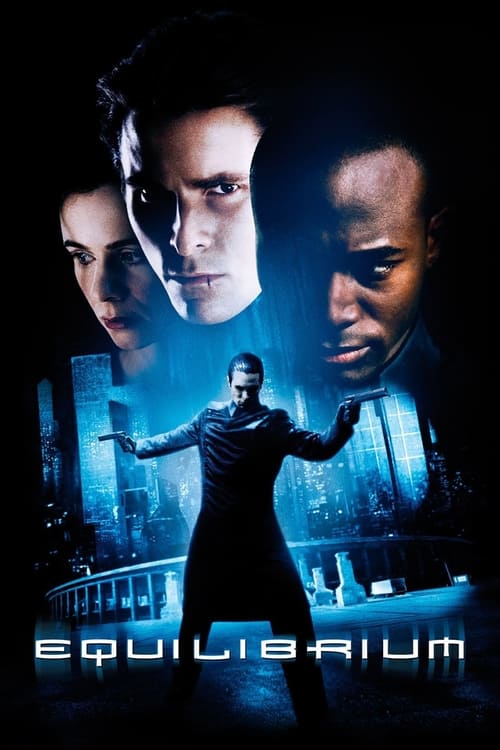
In the ending of "Equilibrium," John Preston confronts the oppressive regime that enforces emotional suppression through the use of a drug called Prozium. After a series of intense confrontations, he ultimately defeats the regime's enforcers and stands against the leader, Vice Council DuPont. The film concludes with Preston embracing his emotions and the freedom they bring, symbolizing a new beginning for humanity.
As the climax of "Equilibrium" unfolds, we find John Preston, played by Christian Bale, fully aware of the oppressive nature of the society he has served as a high-ranking Cleric. He has stopped taking Prozium, the drug that suppresses emotions, and is now experiencing feelings for the first time. This pivotal moment sets the stage for the final confrontation.
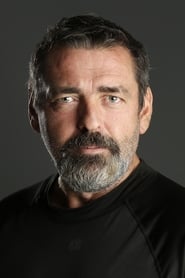
Scene 1: The Showdown Preston, armed and resolute, makes his way to the heart of the government building where Vice Council DuPont, portrayed by Sean Bean, resides. The atmosphere is tense, filled with the weight of his newfound emotions. As he navigates through the sterile, cold hallways, he recalls the faces of those he has lost and the memories he has suppressed. Each step is heavy with the burden of his past actions as a Cleric, and he is determined to make amends.
Scene 2: The Confrontation Upon reaching DuPont, Preston confronts him in a grand, austere office. DuPont, calm and collected, tries to persuade Preston to return to the fold, emphasizing the supposed peace and order that emotional suppression brings. However, Preston, now fully aware of the value of emotions, rejects DuPont's arguments. The tension escalates as they engage in a fierce battle, showcasing Preston's mastery of gun kata, a martial art that combines gunplay with acrobatic movements. The choreography is fluid and intense, highlighting Preston's transformation from a loyal enforcer to a passionate rebel.
Scene 3: The Fall of DuPont In a climactic moment, Preston overpowers DuPont, symbolizing the fall of the oppressive regime. As DuPont lies defeated, he realizes that his control over the populace is crumbling. Preston stands over him, breathing heavily, filled with a mix of anger and liberation. This moment signifies not just a personal victory for Preston but a broader triumph for humanity's right to feel and express emotions.
Scene 4: The Aftermath With DuPont defeated, Preston steps outside into the light, a stark contrast to the dark, oppressive environment he has known. He is met by the resistance fighters, who have been waiting for this moment. Among them is his former partner, Brandt, who has also been liberated from the chains of emotional suppression. The two share a moment of understanding, acknowledging the journey they have both undergone.
Scene 5: A New Dawn As the film draws to a close, Preston stands before a crowd of citizens who have been awakened to the truth of their existence. He delivers a powerful message about the importance of emotions, love, and freedom. The camera pans out, showing the cityscape, once a symbol of oppression, now filled with the potential for a new beginning. The final shot captures Preston's face, a mixture of hope and determination, as he embraces the chaos of human emotion, signaling a shift in the world around him.
In the end, Preston's fate is one of redemption and leadership, as he becomes a symbol of hope for a society that has long been deprived of its humanity. The fate of DuPont is one of defeat, representing the collapse of a regime built on fear and control. The film concludes with the promise of a future where emotions are embraced, and humanity can thrive once more.
Is there a post-credit scene?
The movie "Equilibrium," produced in 2002, does not have a post-credit scene. The film concludes with a powerful climax and resolution, focusing on the protagonist, John Preston, as he confronts the oppressive regime of Libria and embraces his emotions after rejecting the drug Prozium that suppresses feelings. The ending leaves viewers with a sense of hope and the potential for a new beginning in a world that has been stripped of emotion and individuality. However, there are no additional scenes or content after the credits roll.
What is the significance of the drug Prozium in the society depicted in Equilibrium?
Prozium is a mandatory drug that suppresses emotions in the citizens of Libria, ensuring that they do not feel pain, love, or any other strong emotions. This is crucial to maintaining the totalitarian regime's control over the population, as it prevents dissent and rebellion. The protagonist, John Preston, initially adheres to this societal norm, but as he begins to experience emotions after missing his doses, he starts to question the oppressive system.
How does John Preston's character evolve throughout the film?
John Preston begins as a high-ranking enforcer of the law, a 'Grammaton Cleric' who is deeply committed to the suppression of emotions and the enforcement of the regime's rules. However, after he accidentally misses his daily dose of Prozium, he begins to experience emotions for the first time. This awakening leads him to question the morality of his actions and the society he serves, ultimately driving him to rebel against the oppressive government.
What role does the character Mary O'Brien play in John Preston's transformation?
Mary O'Brien is a pivotal character in John Preston's journey. Initially, she is a fellow citizen who has been compliant with the regime, but as Preston begins to feel emotions, he is drawn to her. Their relationship becomes a catalyst for his transformation, as she represents the possibility of love and connection in a world devoid of feelings. Her eventual fate deeply impacts Preston, further fueling his rebellion against the regime.
What is the significance of the 'Gun Kata' martial art in the film?
Gun Kata is a unique martial art developed for combat with firearms, emphasizing efficiency and precision in gunfights. It symbolizes the regime's cold, calculated approach to violence and control. John Preston, as a Grammaton Cleric, is highly skilled in Gun Kata, which he uses to devastating effect against the enforcers of the regime. The choreography of these fight scenes highlights the contrast between the mechanical nature of the society and the raw, emotional struggle Preston faces as he fights for freedom.
How does the film depict the consequences of a society that suppresses emotions?
Equilibrium illustrates the dire consequences of a society that suppresses emotions through its portrayal of a sterile, joyless world where art, music, and personal connections are forbidden. The citizens live in a state of numbness, devoid of passion or creativity, leading to a bleak existence. As John Preston begins to experience emotions, the film contrasts his awakening with the lifelessness of those around him, ultimately showcasing the importance of emotions in defining humanity and the dangers of extreme control.
Is this family friendly?
"Equilibrium," produced in 2002, is not considered family-friendly due to its mature themes and intense content. Here are some potentially objectionable or upsetting aspects that may affect children or sensitive viewers:
-
Violence and Action Sequences: The film features numerous scenes of gunfights and hand-to-hand combat, including the use of firearms and martial arts. The violence is stylized but can be graphic and intense.
-
Emotional Themes: The narrative explores heavy themes such as the suppression of emotions, loss, and the consequences of a dystopian society. These themes may be distressing for younger viewers.
-
Depictions of Oppression: The film portrays a totalitarian regime that enforces strict control over its citizens, including the suppression of feelings and artistic expression. This can be unsettling and provoke thoughts about authoritarianism.
-
Death and Sacrifice: Characters face life-and-death situations, and there are moments of sacrifice that can be emotionally charged and potentially upsetting.
-
Drug Use: The society depicted in the film mandates the use of a drug that suppresses emotions, which could raise questions about addiction and control.
-
Dark Atmosphere: The overall tone of the film is bleak and oppressive, which may be overwhelming for sensitive viewers.
These elements contribute to a mature viewing experience, making "Equilibrium" more suitable for adult audiences.







