
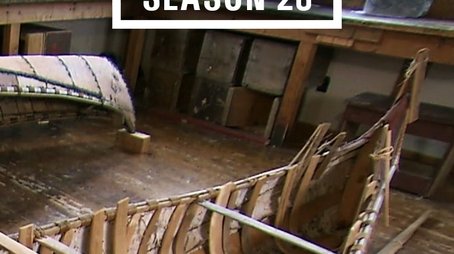


Popular
What specific items are featured in Season 28 of How It's Made?
How are electric guitars made according to Season 28?
What is the process of making rubber bands as shown in Season 28?
What techniques are used in the production of glass bottles in Season 28?
How is the manufacturing process of chocolate bars depicted in Season 28?
Should I watch it?
Ask Your Own Question

What is the plot?
How It's Made, Season 28, produced in 2016, features a series of episodes that delve into the manufacturing processes of various everyday items. Each episode is structured to provide a detailed look at how specific products are created, from raw materials to finished goods.
The season begins with an exploration of how glass bottles are made. The episode opens with a view of raw materials, including silica sand, soda ash, and limestone, being transported to the manufacturing facility. The narrator explains the importance of these materials in the glass-making process. The scene transitions to the melting furnace, where the raw materials are heated to over 1,600 degrees Celsius. Viewers see the molten glass being poured into molds, taking shape as it cools. The episode highlights the precision required in the molding process, showcasing the automated machinery that ensures each bottle is uniform. Finally, the bottles are inspected for quality before being packaged for distribution.
Next, the series shifts to the production of rubber bands. The episode begins with a look at the natural rubber latex being harvested from rubber trees. The latex is then processed and mixed with various chemicals to enhance its properties. The scene transitions to the extrusion process, where the rubber is shaped into long tubes. These tubes are then cut into smaller pieces, forming the rubber bands. The episode emphasizes the importance of quality control, showing how each band is tested for elasticity and strength before being packaged.
In another episode, viewers are taken through the intricate process of making chocolate. The episode starts in cocoa plantations, where cocoa beans are harvested. The beans are fermented, dried, and roasted, with close-up shots of the transformation in color and aroma. The narrative details the grinding process, where the roasted beans are crushed into cocoa mass. This mass is then separated into cocoa powder and cocoa butter. The episode showcases the mixing of these ingredients with sugar and milk to create different types of chocolate. The final scenes depict the tempering process, where the chocolate is cooled and then molded into bars, ready for packaging.
The series also covers the production of kitchen knives. The episode begins with the selection of high-carbon stainless steel, which is shown being heated and shaped through a series of forging processes. Viewers see the blades being ground to achieve the desired sharpness and finish. The episode highlights the importance of craftsmanship, showcasing skilled workers who hand-finish each knife. The final steps include attaching the handles and performing rigorous quality checks to ensure durability and performance.
Another episode focuses on the making of denim jeans. The process starts with cotton being harvested and processed into yarn. The episode details the dyeing process, where the yarn is dyed with indigo to achieve the classic blue color. Viewers see the weaving process, where the dyed yarn is transformed into denim fabric. The episode then follows the cutting and sewing processes, where the fabric is shaped into jeans. The final scenes showcase the finishing touches, including distressing and adding labels, before the jeans are packaged for retail.
Throughout the season, each episode maintains a consistent format, providing viewers with a comprehensive understanding of the manufacturing processes behind various products. The detailed visuals and explanations create an engaging narrative that highlights the complexity and artistry involved in everyday items.








What is the ending?
"How It's Made" is a documentary television series that explores the manufacturing processes behind various everyday items. Each episode typically features several segments, each focusing on a different product, detailing how it is made from start to finish. Season 28, produced in 2016, continues this format, showcasing a variety of items without a traditional narrative arc or character development, as it is not a scripted drama but rather an educational program.
In the final segments of Season 28, the show concludes with a focus on the manufacturing processes of several products, including items like glass bottles, rubber bands, and other everyday objects. Each segment wraps up by summarizing the intricate steps involved in creating these products, emphasizing the craftsmanship and technology behind them.
As the season progresses, viewers are taken through the detailed processes of each item. For instance, the segment on glass bottles begins with the gathering of raw materials, such as sand and soda ash, which are then melted in a furnace. The molten glass is shaped into bottles using molds, followed by a cooling process that solidifies the structure. The episode highlights the precision required in each step, showcasing the machinery and skilled workers involved.
In another segment, the production of rubber bands is explored. The process starts with the mixing of rubber compounds, which are then extruded into long strips. These strips are cut and shaped into bands, demonstrating the efficiency of modern manufacturing techniques.
The season concludes with a montage of the various products featured, reinforcing the theme of innovation and the importance of manufacturing in everyday life. Each segment ends with a sense of accomplishment, showcasing the final products ready for consumer use.
Overall, Season 28 of "How It's Made" does not have a traditional ending with character arcs or conflicts, as it is focused on educating viewers about the manufacturing processes rather than telling a story with characters. Each segment serves to inform and inspire appreciation for the craftsmanship behind common items, leaving viewers with a greater understanding of the world of manufacturing.
Is there a post-credit scene?
The show "How It's Made" does not typically feature post-credit scenes. Each episode focuses on the detailed process of manufacturing various products, providing viewers with insights into the techniques and machinery used in production. Season 28, like previous seasons, follows this format, presenting segments that explore the creation of items such as glass, candy, and other everyday products. The episodes conclude after the main content without additional scenes or credits.
What specific items are featured in Season 28 of How It's Made?
Season 28 of How It's Made features a variety of items, including the production processes of items such as glass bottles, rubber bands, and electric guitars. Each episode delves into the intricate steps involved in manufacturing these everyday products.
How are electric guitars made according to Season 28?
In Season 28, the episode on electric guitars showcases the detailed process of crafting these instruments, from selecting the right types of wood for the body and neck to the intricate assembly of electronic components and final finishing touches that give each guitar its unique sound and aesthetic.
What is the process of making rubber bands as shown in Season 28?
The episode on rubber bands in Season 28 illustrates the fascinating journey from raw rubber latex to the final product. It details the steps of mixing, molding, and cutting the rubber into the familiar stretchy bands we use daily.
What techniques are used in the production of glass bottles in Season 28?
The glass bottle production segment in Season 28 highlights the techniques of melting raw materials, forming the glass into molds, and the cooling process that ensures the bottles are durable and ready for use. It emphasizes the precision required in each step to maintain quality.
How is the manufacturing process of chocolate bars depicted in Season 28?
In the chocolate bar episode of Season 28, the manufacturing process is depicted from the harvesting of cocoa beans to the roasting, grinding, and mixing with other ingredients. The episode captures the sensory experience of chocolate production, including the rich aromas and textures involved.
Is this family friendly?
"How It's Made," including Season 28, is generally considered family-friendly. The show focuses on the manufacturing processes of various products, showcasing how everyday items are created.
There are no explicit objectionable scenes or content, as the series is educational in nature. However, some potentially sensitive aspects might include:
-
Industrial Machinery: The show features heavy machinery and industrial processes, which may be intimidating for younger viewers or those sensitive to loud noises.
-
Production Lines: The fast-paced nature of assembly lines might be overwhelming for some children, as it can depict a high volume of activity and movement.
-
Raw Materials: Occasionally, the show may show raw materials in their unrefined state, which could be unsettling for sensitive viewers, particularly if they are not accustomed to seeing such materials.
Overall, the content is presented in a straightforward manner, focusing on the wonder of manufacturing rather than any distressing themes.