


Popular
What materials are used in the construction of sleeper rigs?
How are pecans harvested and processed in the episode?
What is the process of making steel pulleys as shown in the episode?
What steps are involved in the production of acetate eyewear?
What are the unique features of the sleeper rigs highlighted in the episode?
Should I watch it?
Ask Your Own Question

What is the plot?
In the episode "Sleeper Rigs; Pecans; Steel Pulleys; Acetate Eyewear" from season 31 of "How It's Made," the show begins by exploring the intricate process of manufacturing sleeper rigs. The segment opens with a wide shot of a bustling factory where large trucks are being assembled. The narrator explains that sleeper rigs are designed for long-haul trucking, providing drivers with a comfortable space to rest. Viewers see the initial stages of production, where the chassis of the truck is constructed. Workers meticulously weld and assemble various components, ensuring structural integrity.
Next, the focus shifts to the installation of the sleeper cab. The camera captures the careful placement of the cab onto the chassis, highlighting the precision required in aligning the components. As the assembly continues, viewers are shown the interior of the sleeper cab, where features such as a bed, storage compartments, and a small kitchenette are installed. The segment emphasizes the importance of comfort and functionality in the design, showcasing the various materials used, including foam for the mattress and durable fabrics for the upholstery.
The episode then transitions to the production of pecans. The scene opens in a pecan orchard, where workers are harvesting the nuts. The narrator explains the process of gathering pecans, including shaking the trees to dislodge the nuts. Viewers see the harvested pecans being collected and transported to a processing facility. Inside the facility, the pecans undergo a thorough cleaning process, where they are washed and sorted. The camera captures the machinery used to remove shells and debris, ensuring that only the highest quality nuts are packaged for sale.
Following the pecan segment, the show moves on to the manufacturing of steel pulleys. The scene begins in a metalworking shop, where large sheets of steel are cut into precise shapes. The narrator describes the various types of pulleys and their applications in different industries. Viewers witness the process of forging the steel into the desired pulley shapes, followed by machining to create the necessary grooves and holes. The segment highlights the importance of quality control, with workers inspecting each pulley for defects before they are sent for finishing.
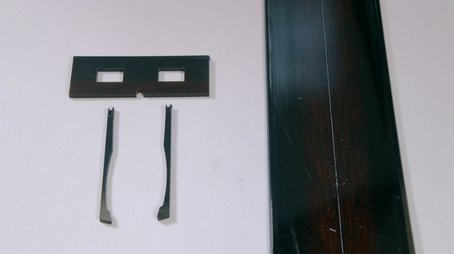
The final segment of the episode focuses on acetate eyewear production. The camera takes viewers inside a factory where frames for glasses are being crafted. The process begins with large sheets of acetate being cut into rough shapes. Workers then use heat to mold the acetate into the final frame designs. The narrator explains the various styles available and the customization options for consumers. As the frames are polished and assembled with lenses, viewers see the attention to detail that goes into ensuring a perfect fit and finish.
Throughout the episode, the narrator provides insights into the significance of each product and the craftsmanship involved in their creation. The episode concludes with a recap of the four manufacturing processes, emphasizing the complexity and skill required in each industry.









What is the ending?
In the episode "Sleeper Rigs; Pecans; Steel Pulleys; Acetate Eyewear" from season 31 of "How It's Made," the ending showcases the completion of the manufacturing processes for each featured item. The episode wraps up by highlighting the intricate steps involved in creating sleeper rigs, pecans, steel pulleys, and acetate eyewear, emphasizing the craftsmanship and technology behind each product.
As the episode progresses, it begins with the sleeper rigs, showcasing the assembly line where large trucks are transformed into comfortable mobile living spaces. Viewers see the meticulous installation of features such as beds, kitchens, and bathrooms, designed for long-haul truck drivers. The scene transitions to the pecan processing facility, where the nuts are harvested, shelled, and packaged, illustrating the journey from tree to table. Next, the steel pulleys are manufactured, with a focus on the precision engineering that ensures their strength and durability. Finally, the episode concludes with the creation of acetate eyewear, detailing the cutting, shaping, and polishing processes that result in stylish and functional glasses.
In a more detailed narrative, the episode opens with a close-up of a sleeper rig, a large truck designed for long-distance travel. The camera pans over the exterior, showcasing its robust build before transitioning inside, where workers are seen installing a cozy sleeping area. The scene captures the careful arrangement of furniture, emphasizing the importance of comfort for drivers who spend long hours on the road. The internal motivation of the workers is evident as they focus on creating a home-like environment within the confines of a truck.
Next, the episode shifts to the pecan processing facility. The viewer is taken through the journey of pecans, starting with the harvesting process. Workers are shown carefully picking the nuts from trees, their hands moving swiftly and skillfully. The scene then transitions to the shelling process, where machines crack open the hard shells, revealing the shiny, edible nuts inside. The excitement of the workers is palpable as they package the pecans, ready for distribution, showcasing their pride in delivering a quality product.
The focus then moves to the manufacturing of steel pulleys. The camera captures the raw materials being transformed into precise components through a series of machines. Each step is meticulously documented, from cutting the steel to shaping it into pulleys. The workers demonstrate a sense of responsibility and dedication, knowing that these pulleys are essential for various industrial applications.
Finally, the episode concludes with the creation of acetate eyewear. The process is visually striking, with vibrant colors of acetate sheets being cut and shaped into frames. The camera highlights the craftsmanship involved in polishing and assembling the eyewear, showcasing the attention to detail that goes into each pair of glasses. The workers' enthusiasm is evident as they present the finished products, ready to be worn by customers.
As the episode wraps up, viewers are left with a sense of appreciation for the intricate processes behind everyday items. Each segment emphasizes the hard work and dedication of the individuals involved in manufacturing, showcasing their commitment to quality and craftsmanship. The episode ends on a high note, celebrating the successful completion of each product and the skilled hands that brought them to life.
Is there a post-credit scene?
The episode "Sleeper Rigs; Pecans; Steel Pulleys; Acetate Eyewear" from season 31 of "How It's Made" does not feature a post-credit scene. The episode concludes after the final segment, which showcases the manufacturing processes of the various items discussed. Each segment provides a detailed look into the production of sleeper rigs, the harvesting and processing of pecans, the creation of steel pulleys, and the crafting of acetate eyewear, but there are no additional scenes or content after the credits roll.
What materials are used in the construction of sleeper rigs?
Sleeper rigs are constructed using a combination of high-strength steel for the frame, aluminum for the body to reduce weight, and various composite materials for insulation and comfort in the sleeper area.
How are pecans harvested and processed in the episode?
The episode details the harvesting of pecans, showcasing the use of mechanical shakers that vibrate the trees to drop the nuts, followed by a thorough cleaning process that removes debris and shells before packaging.
What is the process of making steel pulleys as shown in the episode?
The making of steel pulleys involves several steps: first, steel is cut into precise shapes, then it is heated and forged into the desired pulley form, followed by machining to ensure smooth operation and finally, surface treatment for durability.
What steps are involved in the production of acetate eyewear?
The production of acetate eyewear includes cutting sheets of acetate into frames, heating them to mold into shape, polishing for a smooth finish, and finally assembling the lenses into the frames.
What are the unique features of the sleeper rigs highlighted in the episode?
The episode highlights features such as spacious sleeping areas, advanced climate control systems, and ergonomic designs that enhance comfort for long-haul drivers.
Is this family friendly?
The episode "Sleeper Rigs; Pecans; Steel Pulleys; Acetate Eyewear" from season 31 of "How It's Made" is generally family-friendly. It focuses on the manufacturing processes of various products, which are presented in an educational and informative manner.
There are no explicit objectionable scenes or content that would typically upset children or sensitive viewers. The episode features:
-
Industrial Processes: Some scenes may include machinery and industrial settings, which could be loud or visually overwhelming for very young children or those sensitive to such environments.
-
Food Production: The segment on pecans involves processing and handling food, which may include scenes of machinery and production lines that some viewers might find less appealing.
-
Material Handling: The manufacturing of steel pulleys and acetate eyewear involves the use of heavy machinery and raw materials, which could be perceived as intense but is presented in a safe and controlled context.
Overall, the content is educational and suitable for a wide audience, including families.