

















Popular
What role does Julius Caesar play in the first season of Rome?
How does the relationship between Lucius Vorenus and Titus Pullo develop throughout the season?
What is the significance of the character of Atia of the Julii in the story?
How does the season portray the conflict between Caesar and Pompey?
What events lead to the downfall of the character of Servilia?
Should I watch it?
Ask Your Own Question

What is the plot?
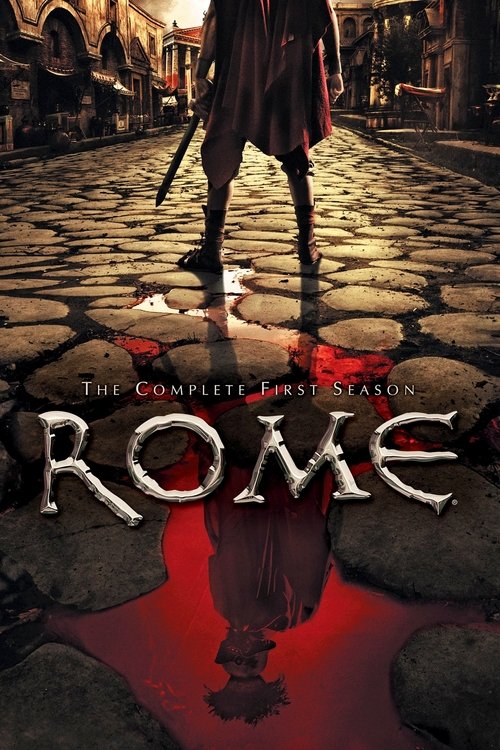
In the opening scenes of "Rome," we are introduced to the Roman Republic in 49 BC, where tensions are high as Julius Caesar is on the verge of crossing the Rubicon River, defying the Senate's orders. The story begins with two soldiers, Lucius Vorenus and Titus Pullo, who are part of Caesar's army. They are shown in a camp, discussing their lives and the political turmoil surrounding them. Vorenus is depicted as a disciplined and honorable soldier, while Pullo is more reckless and impulsive.
As Caesar crosses the Rubicon, he declares, "The die is cast," marking the beginning of a civil war against Pompey and the Senate. The Senate, led by Pompey, is alarmed by Caesar's actions and begins to prepare for conflict. Vorenus and Pullo are soon caught up in the chaos of the war, witnessing the shifting allegiances and the brutality of battle.
In the city of Rome, we see the political machinations of the Senate. Pompey is portrayed as a proud leader, but he is also shown to be increasingly desperate as Caesar's forces gain ground. Meanwhile, Caesar's loyal supporters, including Mark Antony, are working to solidify his power. The tension between Caesar and Pompey escalates, leading to a series of confrontations.
As the war progresses, Vorenus and Pullo find themselves in a precarious position. They are tasked with various missions, including the retrieval of a stolen shipment of gold. Their journey takes them through the streets of Rome, where they encounter various characters, including the ambitious and cunning Atia of the Julii, who is Caesar's niece. Atia is shown to be manipulative, using her influence to secure power for her family.
The narrative shifts to the personal lives of the characters. Vorenus struggles with his loyalty to his family and his duty as a soldier. He is depicted as a man torn between his responsibilities and his desire for a peaceful life. Pullo, on the other hand, indulges in the pleasures of Rome, engaging in affairs and revelry, which often leads to trouble.
As the civil war intensifies, Caesar's forces achieve significant victories, but the cost of war begins to weigh heavily on the soldiers. Vorenus and Pullo witness the horrors of battle, including the loss of comrades and the destruction of cities. Their bond is tested as they navigate the complexities of loyalty, honor, and survival.
In a pivotal moment, Caesar's forces confront Pompey's army in a decisive battle. The chaos of the battlefield is vividly depicted, with soldiers clashing, bloodshed, and the cries of the wounded. Vorenus and Pullo fight bravely, but the brutality of war takes its toll on them both. Vorenus is forced to confront the reality of his choices, while Pullo revels in the chaos, seeking glory and recognition.
After the battle, Caesar emerges victorious, but the political landscape of Rome is forever changed. The Senate is in disarray, and Pompey is forced to flee. Vorenus and Pullo return to Rome, where they are celebrated as heroes, but the victory feels hollow. Vorenus grapples with the moral implications of their actions, while Pullo seeks to capitalize on their newfound fame.
As the season progresses, the personal and political intertwine. Atia's ambitions lead her to manipulate those around her, including her own children, Octavian and Marc Antony. The power struggles within the Julii family become increasingly complex, as alliances shift and betrayals unfold. Vorenus and Pullo find themselves entangled in these intrigues, often at odds with their own values.
The season culminates in a series of dramatic confrontations. Vorenus faces a crisis of faith as he questions his role in the violence and chaos of Rome. Pullo, meanwhile, becomes embroiled in a scandal that threatens to expose the darker side of their exploits. The tension between personal desires and political ambitions reaches a boiling point, leading to a climactic showdown that will have lasting repercussions for all involved.
In the final moments of the season, the characters are left to confront the consequences of their choices. The political landscape of Rome is forever altered, and the bonds of friendship and loyalty are tested in the face of ambition and betrayal. The season ends on a note of uncertainty, setting the stage for the conflicts and challenges that lie ahead in the tumultuous world of ancient Rome.









What is the ending?
At the end of Season 1 of "Rome," the political landscape of the Republic is shifting dramatically. Julius Caesar is assassinated, leading to chaos and power struggles. The fates of key characters like Lucius Vorenus, Titus Pullo, and Atia of the Julii are left hanging, setting the stage for future conflicts.
As the season draws to a close, the tension in Rome escalates. The episode begins with the aftermath of Caesar's return from Gaul, where he has gained immense power and popularity. The Senate, feeling threatened, plots against him. Lucius Vorenus and Titus Pullo, two soldiers who have been loyal to Caesar, find themselves caught in the political turmoil. Vorenus is deeply conflicted, torn between his loyalty to Caesar and his sense of duty to the Republic.
In a pivotal scene, the conspirators, led by Cassius and Brutus, gather in a darkened room, discussing their plan to assassinate Caesar. The atmosphere is thick with tension as they debate the morality of their actions. They believe that killing Caesar is the only way to save the Republic from tyranny. Meanwhile, Vorenus and Pullo are unaware of the impending danger, focusing instead on their own struggles and the challenges of their lives as soldiers.
As the day of the assassination approaches, Caesar is warned by various characters, including his wife Calpurnia, who has a prophetic dream about his death. However, Caesar dismisses the warnings, confident in his power and the loyalty of his supporters. The scene shifts to the Senate, where the conspirators gather, and the tension is palpable. Vorenus and Pullo, now aware of the plot, rush to warn Caesar but arrive too late.
In a dramatic and chaotic scene, Caesar is surrounded by the conspirators in the Senate. The camera captures the moment of betrayal as they stab him, and his famous last words, "Et tu, Brute?" echo through the chamber. The shock of his assassination reverberates throughout Rome, leading to immediate chaos as supporters of Caesar react violently.
After the assassination, the city is thrown into turmoil. Vorenus and Pullo, now faced with the consequences of their loyalty, must navigate the dangerous political landscape. Vorenus, who has always been a man of honor, struggles with the implications of Caesar's death and what it means for the Republic. Pullo, on the other hand, is more impulsive and seeks to take advantage of the chaos for personal gain.
Atia of the Julii, Caesar's lover and a powerful matron in her own right, is left to deal with the fallout of the assassination. Her ambitions are now threatened, and she must maneuver through the shifting allegiances in Rome to maintain her power. The season ends with her plotting her next move, showcasing her resilience and cunning.
The final scenes depict the aftermath of the assassination, with Rome in disarray. The camera pans over the city, capturing the uncertainty and fear that grips its citizens. Vorenus and Pullo, now more than ever, are faced with the reality of their choices and the shifting tides of power. The season concludes with a sense of foreboding, as the characters are left to grapple with the consequences of their actions and the uncertain future of Rome.
Is there a post-credit scene?
In the TV show "Rome," season 1, there is no post-credit scene. The episodes conclude without any additional scenes or content after the credits roll. The focus remains on the narrative and character development throughout the episodes, with each story arc wrapping up within the episode itself. The series emphasizes the political intrigue and personal dramas of its characters, such as Julius Caesar, Pompey, and the soldiers Lucius Vorenus and Titus Pullo, without extending into post-credit sequences.
What role does Julius Caesar play in the first season of Rome?
In the first season of Rome, Julius Caesar is portrayed as a powerful and ambitious leader, navigating the political landscape of Rome while preparing for his campaign against Gaul. His character is marked by a blend of charisma and ruthlessness, as he seeks to consolidate power and expand his influence. The season showcases his relationships with key figures such as Pompey and his affair with Servilia, which complicates his political maneuvers.
How does the relationship between Lucius Vorenus and Titus Pullo develop throughout the season?
Lucius Vorenus and Titus Pullo, two soldiers of the Roman army, share a complex friendship that evolves throughout the season. Vorenus is depicted as disciplined and honorable, while Pullo is more impulsive and reckless. Their contrasting personalities lead to both camaraderie and conflict, particularly as they navigate the challenges of war, personal loss, and the shifting political landscape of Rome. Their bond is tested as they face moral dilemmas and the consequences of their actions.
What is the significance of the character of Atia of the Julii in the story?
Atia of the Julii is a pivotal character in the first season, representing the ambitions and machinations of the Roman elite. As the mother of Octavian and a powerful matron, she is deeply involved in the political intrigues of the time. Her character is driven by a desire for power and influence, often using her sexuality and cunning to manipulate those around her, including her relationships with Julius Caesar and Mark Antony. Atia's actions significantly impact the fates of her family and the broader political landscape.
How does the season portray the conflict between Caesar and Pompey?
The conflict between Julius Caesar and Pompey is a central theme in the first season of Rome, highlighting the tension between their differing visions for Rome's future. The season depicts their initial alliance and subsequent rivalry, fueled by ambition and personal grievances. As Caesar's power grows, Pompey becomes increasingly wary, leading to political maneuvering and military posturing. The portrayal of their conflict is marked by intense political discussions, strategic alliances, and the looming threat of civil war.
What events lead to the downfall of the character of Servilia?
Servilia, the mother of Brutus and a key figure in the first season, experiences a tumultuous journey marked by her passionate affair with Julius Caesar. Her character is driven by love and ambition, but her relationship with Caesar ultimately leads to her downfall. As political tensions rise and her son Brutus becomes embroiled in the conflict between Caesar and Pompey, Servilia's position becomes precarious. The season culminates in her emotional turmoil as she grapples with betrayal, loss, and the shifting allegiances that threaten her family's legacy.
Is this family friendly?
"Rome," season 1, produced in 2005, contains several elements that may not be considered family-friendly. Here are some potentially objectionable or upsetting aspects:
-
Graphic Violence: The series features numerous scenes of battle and execution, showcasing bloodshed and brutality that may be disturbing to younger viewers.
-
Sexual Content: There are explicit sexual scenes and nudity throughout the series, depicting both consensual and non-consensual encounters, which may be inappropriate for children.
-
Strong Language: The dialogue includes frequent use of profanity and coarse language, which may not be suitable for younger audiences.
-
Mature Themes: The show explores complex themes such as power struggles, betrayal, and moral ambiguity, which may be difficult for children to understand or process.
-
Substance Abuse: Characters are shown consuming alcohol and engaging in debauchery, which may not be appropriate for younger viewers.
-
Emotional Turmoil: The characters experience intense emotional struggles, including betrayal, loss, and manipulation, which could be upsetting for sensitive viewers.
These elements contribute to the overall mature tone of the series, making it more suitable for adult audiences.