











































Popular
What is the significance of the birthday gift that Nicholas receives from his brother?
How does Nicholas's character change throughout the film?
What role does the character Christine play in Nicholas's journey?
What are some key moments that illustrate Nicholas's paranoia during the game?
How does the film depict the theme of control versus chaos in Nicholas's life?
Should I watch it?
Ask Your Own Question

What is the plot?
Sorry, we aren't able to watch and write up a full detailed plot yet. Check back in a few days.

What is the ending?
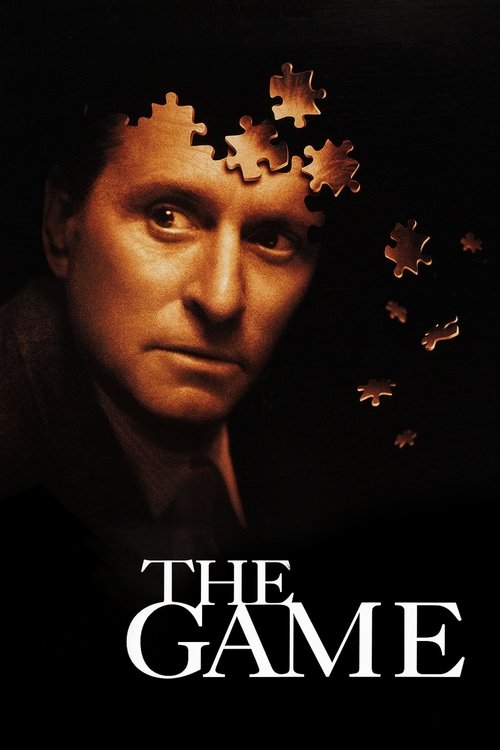
In the ending of "The Game," Nicholas Van Orton, after a harrowing series of events orchestrated by the mysterious company CRS, finds himself in a life-or-death situation. He confronts his brother, Conrad, who reveals that he was behind the entire game. Nicholas, believing he is about to die, shoots Conrad, only to discover that it was all part of the elaborate game. The film concludes with Nicholas emerging from the chaos, finally free from his emotional isolation, as he embraces life anew.
Now, let's delve into the ending in a detailed, chronological narrative.
As the climax unfolds, Nicholas Van Orton, played by Michael Douglas, is in a state of heightened anxiety and confusion. He has just survived a series of traumatic events that have left him questioning reality. The tension escalates when he finds himself in a dimly lit room, where he is confronted by his estranged brother, Conrad, portrayed by Sean Penn. The atmosphere is thick with betrayal and desperation as Nicholas grapples with the revelation that his brother has been orchestrating the entire game.
Conrad, with a mix of remorse and defiance, explains his motivations. He wanted to pull Nicholas out of his emotionally detached existence, believing that the game would help him reconnect with life. Nicholas, however, is overwhelmed with rage and disbelief. The stakes are raised when he believes that his life is genuinely in danger. In a moment of panic, he pulls out a gun and, in a fit of emotion, shoots Conrad. The sound of the gunshot echoes ominously in the room, and Nicholas stands frozen, grappling with the gravity of his actions.
As the dust settles, Nicholas is met with a shocking twist. Instead of the grim reality he anticipated, he is surrounded by CRS personnel who reveal that the entire scenario was staged. The gun was loaded with blanks, and Conrad is unharmed, albeit shaken. The realization hits Nicholas like a tidal wave; he has been a pawn in a meticulously crafted game designed to challenge his perceptions and fears. The emotional weight of the moment is palpable as he processes the layers of deception and manipulation he has endured.
In the aftermath, Nicholas is led to a rooftop where he is confronted with the final test of his transformation. The city sprawls beneath him, a stark contrast to the isolation he felt throughout the film. As he stands at the edge, he is faced with the choice of continuing to live in fear or embracing the unpredictability of life. In a cathartic moment, he steps back from the ledge, symbolizing his newfound acceptance of life's uncertainties.
The film concludes with Nicholas emerging from the CRS building, a man transformed. He is no longer the cold, detached figure he once was; instead, he is filled with a sense of liberation and hope. The final scene captures him smiling, a stark contrast to his earlier demeanor, as he walks into the bustling streets, ready to embrace whatever comes next.
In terms of character fates, Nicholas emerges as a changed man, having faced his fears and learned to reconnect with the world around him. Conrad, while initially appearing to be the antagonist, is revealed to be a catalyst for Nicholas's transformation, albeit through questionable means. The film leaves viewers with a sense of ambiguity regarding the true nature of the game and the characters' motivations, but ultimately, it highlights Nicholas's journey from isolation to connection.
Is there a post-credit scene?
The movie "The Game," produced in 1997, does not have a post-credit scene. The film concludes with a tense and ambiguous ending, where Nicholas Van Orton, played by Michael Douglas, finds himself in a precarious situation after the events of the elaborate game that has unfolded throughout the film. The credits roll immediately after the climax, leaving the audience to ponder the implications of the story without any additional scenes or resolutions. The absence of a post-credit scene aligns with the film's themes of uncertainty and the psychological twists that define Nicholas's journey.
What is the significance of the birthday gift that Nicholas receives from his brother?
The birthday gift that Nicholas Van Orton receives from his brother Conrad is a voucher for a mysterious game provided by a company called CRS (Consumer Recreation Services). This gift serves as the catalyst for the entire plot, pushing Nicholas, a wealthy and successful investment banker, into a world of psychological manipulation and uncertainty. It symbolizes the beginning of his descent into a reality where he must confront his own fears and vulnerabilities.
How does Nicholas's character change throughout the film?
At the beginning of the film, Nicholas is portrayed as a cold, detached, and highly successful businessman who prioritizes work over personal relationships. As he becomes embroiled in the game, he experiences a range of emotions, from confusion and fear to desperation and paranoia. This transformation is marked by his increasing vulnerability and the gradual breakdown of his stoic facade, ultimately leading him to confront his own humanity and the importance of connection with others.
What role does the character Christine play in Nicholas's journey?
Christine, played by Deborah Kara Unger, initially appears as a mysterious woman who Nicholas meets during the game. She becomes a pivotal figure in his journey, as he is drawn to her both emotionally and physically. However, her true intentions are ambiguous, and she embodies the themes of trust and betrayal. As Nicholas navigates the treacherous landscape of the game, Christine's presence complicates his understanding of reality and his ability to discern friend from foe.
What are some key moments that illustrate Nicholas's paranoia during the game?
Several key moments illustrate Nicholas's escalating paranoia throughout the film. One significant scene occurs when he is chased through the streets of San Francisco, believing he is being pursued by unknown assailants. Another moment is when he discovers that his home has been invaded, and he finds unsettling clues that suggest the game is manipulating his reality. These experiences heighten his sense of isolation and fear, showcasing the psychological tension that drives the narrative.
How does the film depict the theme of control versus chaos in Nicholas's life?
The film vividly depicts the theme of control versus chaos through Nicholas's initial life as a successful banker, where he meticulously manages every aspect of his existence. However, once he enters the game, his carefully constructed world unravels, leading to chaotic and unpredictable situations. This contrast is illustrated through scenes where he loses control over his environment, such as when he is forced to confront life-threatening scenarios, ultimately challenging his perception of safety and stability.
Is this family friendly?
"The Game," directed by David Fincher and released in 1997, is not considered family-friendly due to its intense themes and mature content. Here are some potentially objectionable or upsetting aspects that may affect children or sensitive viewers:
-
Violence and Threats: The film contains scenes of violence, including physical confrontations and threats that create a sense of danger and tension.
-
Psychological Manipulation: The protagonist experiences significant psychological distress, including feelings of paranoia and confusion, which may be unsettling for viewers.
-
Adult Themes: The narrative explores themes of existential crisis, betrayal, and the fragility of trust, which may be complex and difficult for younger audiences to grasp.
-
Nudity and Sexual Content: There are scenes that include nudity and sexual situations, which may not be appropriate for children.
-
Substance Abuse: The film depicts characters engaging in drinking and drug use, contributing to the overall dark atmosphere.
-
Intense Emotional Moments: The protagonist undergoes extreme emotional turmoil, including fear, anxiety, and despair, which could be distressing for sensitive viewers.
Overall, the film's mature themes and intense psychological elements make it more suitable for adult audiences.









