







Popular
What motivates Lenka Utsugi to become a God Eater?
How does the relationship between Lenka and Alisa evolve throughout the season?
What is the significance of the God Arc weapons in the series?
What role does the Fenrir organization play in the fight against the Aragami?
How does the character of Lindow Amamiya influence Lenka's development?
Should I watch it?
Ask Your Own Question

What is the plot?
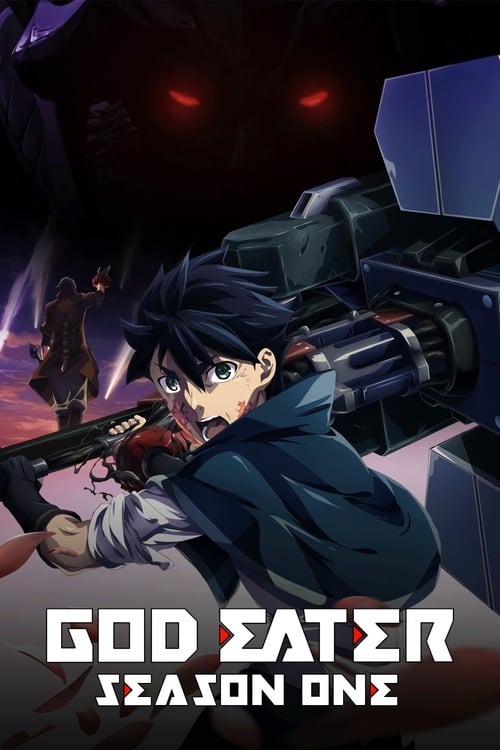
In a post-apocalyptic world ravaged by monstrous creatures known as Aragami, the story begins with a young man named Ren, who is a survivor in a devastated city. He is attacked by an Aragami but is saved by a mysterious organization known as Fenrir. They rescue him and bring him to their base, where he learns about the God Eaters, elite fighters equipped with special weapons called God Arcs that can consume Aragami. Ren is introduced to the concept of God Eaters and their mission to protect humanity from the Aragami threat.
Ren undergoes a transformation, receiving a God Arc and becoming a God Eater himself. He meets other members of the team, including the skilled and determined Alisa, who has her own traumatic past with the Aragami. The team is led by the experienced and stoic Lindow, who serves as a mentor to the new recruits. As Ren trains and learns to harness the power of his God Arc, he grapples with the weight of his new responsibilities and the loss of his previous life.
The first major mission for Ren and his team is to eliminate a particularly dangerous Aragami that has been terrorizing a nearby settlement. The team prepares for the mission, showcasing their unique abilities and the camaraderie that has begun to form among them. During the mission, they encounter the Aragami, which is larger and more powerful than they anticipated. The battle is intense, with each member of the team showcasing their skills. Ren struggles initially but finds his resolve as he fights alongside his teammates. They manage to defeat the Aragami, but not without sustaining injuries and facing the harsh reality of their dangerous work.
As the story progresses, Ren begins to experience strange visions and memories that hint at a deeper connection to the Aragami. He learns that he has a unique ability to communicate with them, which raises questions about his identity and purpose. This revelation creates tension within the team, especially with Alisa, who is wary of Ren's connection to the enemy. Despite this, they continue to work together, facing increasingly powerful Aragami in their missions.
The team faces a significant challenge when they are tasked with taking down a new type of Aragami that has the ability to regenerate. This mission tests their limits, and during the battle, they are pushed to their breaking points. Ren's internal struggle intensifies as he grapples with his feelings of isolation and the burden of his powers. In a moment of desperation, he taps into his abilities, allowing him to turn the tide of the battle. However, this comes at a cost, as he risks losing control and becoming more like the Aragami he fights against.
As the season progresses, the team uncovers a conspiracy within Fenrir, revealing that some members are experimenting with the Aragami and their powers. This revelation shakes the foundation of their mission and raises ethical questions about the lengths they are willing to go to protect humanity. Ren and Alisa, along with their teammates, decide to confront the leadership of Fenrir, leading to a climactic showdown that tests their loyalty and resolve.
In the final episodes, the team faces their most formidable opponent yet, a powerful Aragami that threatens to annihilate everything they hold dear. The battle is fierce, with each member of the team fighting valiantly. Ren's connection to the Aragami becomes crucial as he learns to harness his powers effectively. The emotional stakes are high as they fight not only for their lives but for the future of humanity.
The season culminates in a dramatic confrontation where Ren must make a critical decision that will determine the fate of his team and the world. He ultimately chooses to embrace his identity as a God Eater, using his powers to protect his friends and defeat the Aragami. The battle ends with a bittersweet victory, as the team realizes the ongoing struggle against the Aragami is far from over. The season closes with Ren and his teammates standing together, united in their resolve to continue fighting for humanity's survival, setting the stage for future challenges ahead.
Related Titles
Browse All Titles →




What is the ending?
In the ending of God Eater, season 1, the main characters face a climactic battle against the powerful Aragami, culminating in a significant sacrifice. The protagonist, Lenka Utsugi, confronts the overwhelming threat posed by the Aragami and ultimately makes a choice that leads to a bittersweet resolution for his team. The series concludes with a sense of loss and hope, as the characters reflect on their struggles and the future ahead.
As the final episodes unfold, the tension escalates within the Fenrir organization, where Lenka Utsugi and his comrades prepare for a decisive confrontation with the formidable Aragami. The atmosphere is thick with anticipation and dread, as the team understands the stakes of their mission. Lenka, driven by a fierce determination to protect his friends and humanity, steels himself for the battle ahead.
In the first scene of the climax, the team gathers in their command center, the air heavy with unspoken fears. Lenka stands at the forefront, his resolve evident in his clenched fists and determined gaze. He exchanges glances with his teammates--Alisa, who is grappling with her own insecurities, and the stoic Lindow, who bears the weight of leadership. Each character's internal struggles are palpable, as they prepare to face the Aragami that threaten their existence.
As they deploy into the field, the visuals shift to a desolate landscape ravaged by the Aragami. The sky is a tumultuous gray, mirroring the chaos that looms ahead. The team engages in fierce combat, showcasing their unique abilities and the bond they have forged through shared hardships. Lenka's God Arc glows with energy as he fights valiantly, his heart racing with the desire to protect those he loves.
In a pivotal moment, the team encounters a particularly powerful Aragami, one that seems almost invincible. The battle is intense, with each character pushing their limits. Alisa, despite her fears, finds strength in Lenka's unwavering spirit, and together they coordinate their attacks. Lindow, ever the strategist, directs the team with precision, but the odds are stacked against them.
As the fight reaches its peak, tragedy strikes. Lindow sacrifices himself to save Lenka and Alisa, a moment that is both heart-wrenching and heroic. His final words resonate with the team, urging them to continue fighting for a future free from the terror of the Aragami. The scene is charged with emotion, as Lenka and Alisa grapple with the loss of their leader, their expressions a mix of grief and determination.
With Lindow's sacrifice fueling their resolve, Lenka and Alisa launch a final assault on the Aragami. The battle is fierce, and the animation captures the chaos and intensity of their struggle. Lenka, filled with a newfound sense of purpose, channels all his energy into a decisive strike. The Aragami is finally defeated, but not without cost. The victory is bittersweet, as the team mourns their fallen comrade while also feeling a sense of accomplishment.
In the aftermath, the surviving members of the team gather in a somber reflection. Lenka stands at the forefront, his expression a mix of sorrow and hope. He vows to honor Lindow's memory by continuing the fight against the Aragami, determined to protect humanity and his friends. Alisa, though shaken, finds solace in Lenka's resolve, and together they look toward the future, ready to face whatever challenges lie ahead.
The series concludes with a poignant scene, as the camera pans out to show the desolate landscape, now marked by both loss and the promise of resilience. The fate of Lenka and Alisa is left open-ended, suggesting that their journey is far from over, and that the fight against the Aragami will continue, fueled by the memories of those they have lost. The emotional weight of their experiences lingers, encapsulating the themes of sacrifice, friendship, and the enduring human spirit in the face of overwhelming odds.
Is there a post-credit scene?
In the anime "God Eater," Season 1 does not feature a post-credit scene. The series concludes with its final episode, wrapping up the main storyline without any additional scenes or teasers after the credits. The focus remains on the characters' struggles against the Aragami and their personal growth throughout the series, leaving viewers with a sense of closure regarding the events that transpired.
What motivates Lenka Utsugi to become a God Eater?
Lenka Utsugi is driven by a deep desire to protect humanity from the monstrous Aragami that threaten their existence. His motivation is further fueled by the loss of his family to these creatures, instilling in him a personal vendetta against the Aragami. Throughout the series, Lenka grapples with his feelings of helplessness and anger, which push him to become stronger and more determined as a God Eater.
How does the relationship between Lenka and Alisa evolve throughout the season?
Initially, Lenka and Alisa have a rocky relationship, with Alisa being distant and somewhat cold due to her traumatic past. However, as they face numerous battles together, their bond deepens. Lenka's unwavering support and determination to protect Alisa help her open up, leading to a growing trust and camaraderie. By the end of the season, they share a mutual respect and understanding, hinting at a potential romantic connection.
What is the significance of the God Arc weapons in the series?
The God Arc weapons are not just tools for combat; they symbolize the bond between the God Eaters and their mission to combat the Aragami. Each God Arc is unique to its wielder, reflecting their personality and fighting style. The transformation of the weapons from firearms to melee weapons showcases the adaptability and resourcefulness required in battle. The God Arcs also represent the sacrifices made by the God Eaters, as they are made from the very Aragami they fight.
What role does the Fenrir organization play in the fight against the Aragami?
Fenrir is the primary organization dedicated to combating the Aragami threat. It serves as a military and research entity, training God Eaters and developing strategies to protect humanity. Fenrir's leadership, particularly characters like Director Koutarou and the enigmatic Ciel, plays a crucial role in guiding the God Eaters. However, as the season progresses, the organization's darker secrets and the moral complexities of their methods come to light, challenging the characters' perceptions of right and wrong.
How does the character of Lindow Amamiya influence Lenka's development?
Lindow Amamiya serves as a mentor figure to Lenka, embodying the ideal qualities of a God Eater. His confidence, skill, and laid-back attitude inspire Lenka to strive for greatness. Lindow's tragic fate, however, serves as a harsh lesson for Lenka about the realities of being a God Eater, instilling in him a sense of urgency and responsibility. Lindow's influence pushes Lenka to confront his fears and embrace his role in the fight against the Aragami.
Is this family friendly?
"God Eater" is not considered family-friendly due to its mature themes and graphic content. Here are some potentially objectionable or upsetting aspects that may affect children or sensitive viewers:
-
Violence and Gore: The series features intense battles against monstrous creatures known as Aragami, with graphic depictions of violence and bloodshed. Characters often engage in brutal combat, and the aftermath can be quite graphic.
-
Death and Loss: The narrative includes themes of death, loss, and the emotional toll of fighting against overwhelming odds. Characters experience significant trauma and grief, which may be distressing.
-
Dark Themes: The show explores themes of survival in a post-apocalyptic world, including despair, hopelessness, and the struggle against a seemingly insurmountable enemy.
-
Mature Language: There are instances of strong language and adult dialogue that may not be suitable for younger audiences.
-
Emotional Turmoil: Characters often grapple with deep emotional issues, including fear, anger, and existential dread, which may be heavy for sensitive viewers.
Overall, the series contains elements that are more appropriate for older teens and adults rather than children.