














Popular
What are the main character's motivations throughout Season 1?
How does the relationship between Lillian and Beatrice evolve in Season 1?
What role does the character of Frederick play in the story?
What are some key comedic moments involving the Bellacourt family?
How does the character of Peepers contribute to the plot?
Should I watch it?
Ask Your Own Question

What is the plot?
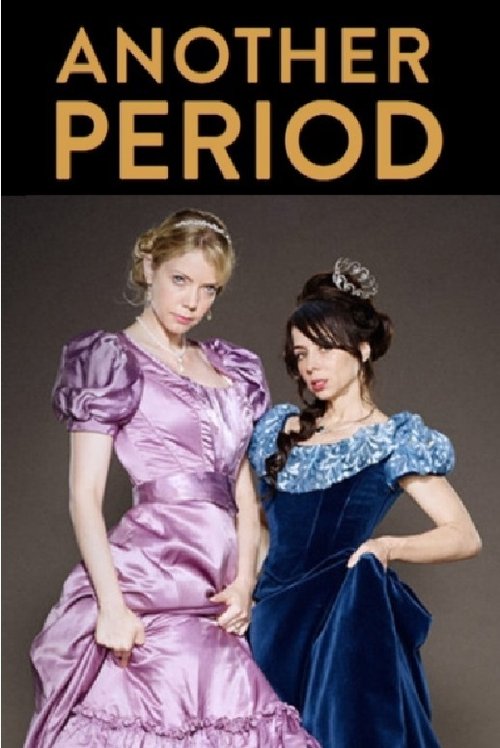
In the pilot episode of "Another Period," we are introduced to the wealthy and eccentric Bellacourt family in 1902 Rhode Island. The family is preparing for a lavish party to celebrate their social status. The scene opens with the family members, including the self-absorbed sisters, Lillian and Beatrice, who are more concerned with their appearances and social standing than anything else. Their mother, the domineering and oblivious Lady Bellacourt, is focused on ensuring everything is perfect for the event.
As the preparations unfold, we see the sisters bickering over their outfits and the attention they will receive at the party. Lillian is particularly desperate to find a suitor, while Beatrice is more interested in maintaining her status. The tension between the sisters is palpable, showcasing their rivalry and contrasting personalities. The family's butler, who is often ignored, provides a comedic backdrop to their antics.
The party begins, and the Bellacourts are joined by various guests, including the wealthy and pompous members of high society. The atmosphere is filled with laughter, music, and the clinking of glasses. Lillian and Beatrice attempt to outshine each other, leading to a series of humorous and awkward interactions with the guests. Lillian's desperation to impress a potential suitor, a handsome man named Frederick, becomes a focal point of her actions.
As the night progresses, the sisters' rivalry escalates. Lillian tries to flirt with Frederick, but Beatrice intervenes, leading to a confrontation between the two. Their mother, oblivious to the tension, continues to push them to find husbands, emphasizing the importance of marriage in their social standing. The sisters' competition reaches a peak when they both attempt to impress Frederick simultaneously, resulting in a chaotic and comedic scene.
Meanwhile, the family's servants, including the maid and the butler, observe the absurdity of the Bellacourts' behavior. They share knowing glances and comments, highlighting the disparity between the wealthy family and their staff. The servants' interactions provide a contrast to the Bellacourts' self-absorption, adding depth to the social dynamics at play.
As the party winds down, Lillian and Beatrice's rivalry takes a darker turn. In a moment of desperation, Lillian sabotages Beatrice's chances with Frederick, leading to a dramatic confrontation between the sisters. The emotional stakes rise as they reveal their insecurities and fears about their futures. This confrontation serves as a turning point in their relationship, showcasing the lengths they will go to secure their social status.
The episode concludes with the aftermath of the party. The Bellacourts are left to deal with the fallout of their actions, and the sisters must confront the consequences of their rivalry. The final scenes depict the family in disarray, with Lady Bellacourt still oblivious to the underlying tensions. The episode ends on a humorous note, with the butler delivering a sarcastic remark about the evening's events, leaving the audience with a sense of the absurdity of the Bellacourt family's world.









What is the ending?
In the final episode of "Another Period," the Bellacourt family faces a series of comedic and chaotic events that culminate in a dramatic and humorous conclusion. The family grapples with their social status, personal ambitions, and the consequences of their actions, leading to a series of misunderstandings and revelations.
As the episode unfolds, the Bellacourt sisters, Lillian and Beatrice, find themselves in a competition for the affections of a wealthy suitor, which leads to a series of increasingly absurd situations. The family's attempts to maintain their social standing are met with various obstacles, including their own ineptitude and the interference of their eccentric staff. Ultimately, the episode concludes with a mix of personal growth and the continuation of their ridiculous antics, leaving the characters in a state that reflects their unchanged, yet slightly evolved, personalities.
In the expanded narrative of the ending:
The episode opens with Lillian and Beatrice Bellacourt, dressed in their extravagant period attire, preparing for a lavish party at their family estate. The atmosphere is filled with excitement and tension as both sisters are vying for the attention of the wealthy suitor, Mr. Peabody. Lillian, the more ambitious of the two, is determined to win his heart, while Beatrice, often more naive, is blissfully unaware of the competitive nature of their situation.
As the party begins, the camera pans over the opulent decorations and the guests mingling, showcasing the grandeur of the Bellacourt estate. The sisters engage in a series of comedic one-upmanship, each trying to outdo the other in charm and wit. Lillian employs cunning tactics, including sabotaging Beatrice's attempts to impress Mr. Peabody, while Beatrice, in her innocence, inadvertently charms the guests with her quirky personality.
Meanwhile, the family's butler, the ever-sarcastic and dry-humored servant, observes the chaos with a mix of disdain and amusement. His interactions with the sisters provide a humorous commentary on their antics, as he often points out the absurdity of their social climbing.
As the night progresses, misunderstandings arise, leading to a series of slapstick moments. A mishap with a champagne fountain results in a cascade of bubbly spilling over the guests, creating a chaotic scene that leaves everyone in fits of laughter. This moment serves as a turning point, where the rigid social barriers begin to dissolve, and the characters start to realize the futility of their pretensions.
In the climax of the episode, Lillian and Beatrice confront each other in a heated argument, revealing their insecurities and desires. Lillian admits her fear of being overshadowed, while Beatrice expresses her longing for genuine connection rather than superficial status. This emotional exchange is pivotal, as it highlights the sisters' complex relationship and their individual struggles for identity within the confines of their societal expectations.
As the party winds down, Mr. Peabody, who has been observing the sisters' antics, ultimately chooses neither of them, instead opting for a more down-to-earth character from the staff, showcasing the absurdity of their social aspirations. This decision leaves Lillian and Beatrice momentarily stunned, but they quickly return to their usual banter, laughing off the disappointment.
The episode concludes with the Bellacourt family gathered together, reflecting on the night's events. Despite the chaos and the lack of a romantic resolution, there is a sense of camaraderie among them. The sisters, while still competitive, share a moment of understanding, hinting at a deeper bond that transcends their rivalry.
In the final scene, the camera pulls back to reveal the Bellacourt estate, with the family's laughter echoing in the background. The fate of each character remains tied to their comedic pursuits and social aspirations, leaving them in a state of perpetual absurdity, yet slightly more aware of their own flaws and the importance of family over status.
Is there a post-credit scene?
In the first season of "Another Period," there is no post-credit scene. The episodes conclude without any additional content after the credits roll. The focus remains on the comedic and satirical portrayal of the lives of the Bellacourt family and their servants in the early 20th century, with each episode wrapping up its storylines within the main content.
What are the main character's motivations throughout Season 1?
In Season 1 of Another Period, the main characters, Lillian and Beatrice Bellacourt, are driven by their desire for wealth, social status, and personal fulfillment. Lillian, the more ambitious of the two, often seeks to elevate her family's status through extravagant parties and social events, while Beatrice struggles with her self-image and often feels overshadowed by Lillian's boldness. Their motivations lead to various comedic situations as they navigate the absurdities of high society.
How does the relationship between Lillian and Beatrice evolve in Season 1?
Throughout Season 1, the relationship between Lillian and Beatrice is marked by rivalry and competition, but also moments of sisterly affection. Initially, Lillian's ambition often puts her at odds with Beatrice, who feels insecure and inadequate in comparison. However, as the season progresses, they experience moments of vulnerability that reveal their deep bond, culminating in a realization that they need each other to navigate their chaotic lives.
What role does the character of Frederick play in the story?
Frederick, the Bellacourt family's butler, serves as a foil to the absurdity of the Bellacourt household. His dry wit and sarcastic commentary provide a humorous contrast to the family's antics. Throughout Season 1, Frederick's interactions with Lillian and Beatrice highlight their ridiculousness, while also showcasing his own struggles with the class system. His character often reflects the absurdity of the social hierarchy, as he navigates his position with a mix of disdain and loyalty.
What are some key comedic moments involving the Bellacourt family?
Key comedic moments in Season 1 include the family's attempts to host extravagant parties that go hilariously awry, such as when they invite the wrong guests or when their attempts at sophistication lead to embarrassing situations. One standout scene involves Lillian's misguided efforts to impress a wealthy suitor, resulting in a series of slapstick mishaps that highlight the family's lack of social grace. These moments serve to emphasize the absurdity of their social aspirations.
How does the character of Peepers contribute to the plot?
Peepers, the Bellacourt family's eccentric maid, adds a layer of chaos and humor to the household. Her quirky behavior and unfiltered opinions often disrupt the family's plans, leading to comedic situations. In Season 1, Peepers' interactions with Lillian and Beatrice reveal the absurdity of their social climbing, as she often points out the ridiculousness of their pursuits. Her character serves as a reminder of the underlying class dynamics at play, while also providing comic relief.
Is this family friendly?
"Another Period" is a satirical comedy set in the early 1900s, focusing on the lives of the wealthy Bellacourt family. While the show employs humor and exaggeration, it does contain several elements that may be considered objectionable or upsetting for children or sensitive viewers.
-
Sexual Content: The show features innuendos, discussions about sexual relationships, and some suggestive situations that may not be appropriate for younger audiences.
-
Substance Use: Characters are shown drinking alcohol, and there are references to drug use, which may not be suitable for children.
-
Violence and Dark Humor: There are instances of slapstick violence and dark humor that could be unsettling, including physical comedy that involves injury or harm.
-
Classism and Social Commentary: The show satirizes class differences and may include themes of elitism and privilege that could be confusing or upsetting for younger viewers.
-
Mature Themes: Topics such as infidelity, manipulation, and family dysfunction are explored, which may not resonate well with a younger audience.
Overall, while "Another Period" is a comedy, its humor often relies on adult themes and situations that may not be suitable for children or sensitive viewers.