


Popular
What motivates Takeda Shingen to engage in battle during the episode?
How does Uesugi Kenshin's character influence the battle at Nagashino?
What is the significance of the rivalry between Takeda Shingen and Uesugi Kenshin in this episode?
How do the characters of Masamune Date and Kojūrō Katō contribute to the events of the episode?
What role does the setting of Nagashino play in the narrative of this episode?
Should I watch it?
Ask Your Own Question

What is the plot?
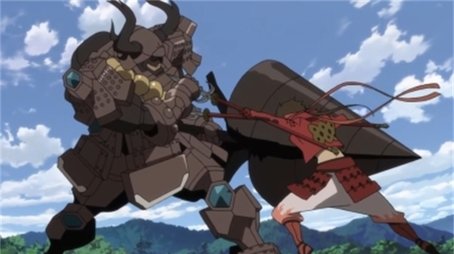
The episode begins with a dramatic introduction to the battlefield of Nagashino, where the forces of Takeda Shingen are preparing for an imminent clash against the Tokugawa clan, led by Ieyasu Tokugawa. The atmosphere is tense, filled with the sounds of clashing swords and the cries of warriors. Shingen, known for his fierce and strategic prowess, rallies his troops, instilling them with confidence and determination. His presence is commanding, and he is depicted as a warrior who thrives in the chaos of battle.
As the battle commences, the scene shifts to the Tokugawa camp, where Ieyasu is seen strategizing with his generals. He is portrayed as a calm and calculating leader, contrasting with Shingen's fiery demeanor. Ieyasu emphasizes the importance of unity and discipline among his troops, showcasing his leadership style. The Tokugawa forces are depicted as disciplined and well-prepared, ready to face the oncoming storm.
The battle erupts in full force, with both sides clashing violently. The animation captures the chaos of war, with soldiers engaging in fierce hand-to-hand combat. Shingen leads the charge, displaying his exceptional swordsmanship and tactical skills. He cuts through enemy lines, inspiring his men to fight harder. The visuals are intense, with blood and sweat mingling on the battlefield, highlighting the brutality of war.
Amidst the chaos, a pivotal moment occurs when Ieyasu orders a strategic retreat to regroup his forces. This decision is met with mixed emotions among his generals, some questioning the wisdom of retreating when they are engaged in battle. Ieyasu remains resolute, believing that a tactical withdrawal will allow them to regroup and counterattack more effectively. This moment showcases his strategic mindset and the weight of leadership.
As the battle continues, the focus shifts to the character of Masamune Date, who arrives on the battlefield with his own forces. Masamune is depicted as a fierce warrior with a strong sense of pride and ambition. He is drawn to the conflict, eager to prove himself and make a name in the chaos of the battle. His entrance adds another layer of complexity to the ongoing conflict, as he seeks to carve out his own destiny amidst the clash of the two powerful clans.
The battle reaches a critical point when Shingen and Ieyasu finally come face to face. The tension between the two leaders is palpable, as they exchange fierce blows in a duel that showcases their respective skills. Shingen's aggressive style contrasts with Ieyasu's calculated movements, creating a dynamic and engaging fight sequence. The animation captures the intensity of their duel, with each strike resonating with the weight of their ambitions and the stakes of the battle.
As the duel progresses, Ieyasu manages to gain the upper hand momentarily, pushing Shingen back. However, Shingen's resilience shines through as he quickly regains his footing and counters with a powerful attack. The two warriors are evenly matched, and the fight escalates, drawing the attention of their respective troops. The surrounding soldiers are captivated by the clash of these two titans, their morale swaying with each blow exchanged.
In a surprising turn of events, Masamune intervenes in the duel, seeking to challenge both Shingen and Ieyasu. His arrival disrupts the fight, and he boldly declares his intention to take on both leaders. This unexpected twist shifts the focus of the battle, as the two leaders must now contend with a new formidable opponent. Masamune's confidence and ambition are on full display, and he relishes the opportunity to prove himself against such renowned warriors.
The episode culminates in a chaotic three-way battle, with Shingen, Ieyasu, and Masamune engaging in a fierce confrontation. The animation showcases the fluidity and intensity of their movements, with each character displaying their unique fighting styles. The clash of swords and the sound of battle fill the air as the three warriors push each other to their limits. The stakes are high, and the outcome of this confrontation will have lasting implications for all involved.
As the episode draws to a close, the battle remains unresolved, leaving viewers on the edge of their seats. The internal struggles of each character are evident, with Shingen's desire for victory, Ieyasu's strategic mindset, and Masamune's ambition all driving their actions. The episode ends with a sense of anticipation, setting the stage for future conflicts and character developments in the ongoing saga of Sengoku BASARA.








What is the ending?
In the ending of "Brutal! The Righteous Battle of Nagashino and Shitaragahara!", the battle reaches a climactic point as the forces of Takeda Shingen and Uesugi Kenshin clash fiercely. The episode concludes with a fierce confrontation between the two armies, showcasing the valor and determination of the warriors. Ultimately, the battle ends with significant losses on both sides, but the episode leaves the outcome of the conflict somewhat ambiguous, focusing instead on the personal struggles and motivations of the characters involved.
As the episode unfolds, the tension builds leading to the battlefield of Nagashino and Shitaragahara. The scene opens with the sun rising over the vast fields, casting a golden hue on the warriors preparing for battle. The air is thick with anticipation and the sounds of clashing armor and war cries echo in the distance. Takeda Shingen, a formidable warrior known for his strategic mind, stands resolute, rallying his troops with a fiery speech that ignites their spirits. His determination to protect his land and people is palpable, and his eyes burn with the desire for victory.
Meanwhile, Uesugi Kenshin, the rival warlord, is equally passionate about his cause. He rides into battle with an air of nobility, his armor gleaming in the sunlight. Kenshin's internal conflict is evident; he fights not just for conquest but to uphold his ideals of honor and justice. As he surveys his troops, he feels the weight of their lives resting on his shoulders, and this responsibility fuels his resolve.
The battle erupts with a cacophony of chaos. Warriors clash, swords meet shields, and the ground is stained with the blood of the fallen. The animation captures the intensity of the fight, with sweeping shots of the battlefield filled with vibrant colors and dynamic movements. Each character's fighting style reflects their personality; Shingen's aggressive tactics contrast with Kenshin's more calculated approach.
As the battle rages on, key moments highlight the personal stakes for both leaders. Shingen faces off against one of Kenshin's top generals, and their duel is a dance of skill and ferocity. The emotional weight of their confrontation is underscored by flashbacks that reveal their motivations and past encounters, deepening the viewer's understanding of their rivalry.
In a pivotal moment, Kenshin and Shingen finally come face to face. The tension is electric as they exchange words, each trying to sway the other to their cause. Their dialogue is charged with respect and animosity, showcasing their complex relationship as both adversaries and warriors who understand each other's strengths.
As the battle reaches its climax, the tide begins to turn. Shingen's forces, though fierce, start to falter under the relentless assault of Kenshin's troops. The animation captures the desperation and determination of the soldiers on both sides, their faces etched with fear and resolve. The sound of clashing swords and the cries of the wounded create a haunting atmosphere that underscores the brutality of war.
In the final moments of the episode, the battlefield is littered with the fallen, and both leaders are left standing, battered but unyielding. The outcome of the battle remains uncertain, as the camera pans over the devastation, focusing on the faces of the warriors who fought valiantly. Shingen, though wounded, vows to continue fighting for his ideals, while Kenshin reflects on the cost of victory and the lives lost in pursuit of honor.
The episode concludes with a sense of unresolved tension, leaving viewers to ponder the fates of the characters. Shingen and Kenshin, though adversaries, are portrayed as two sides of the same coin, each driven by their convictions. The final shot lingers on their determined expressions, hinting at future confrontations and the ongoing struggle for power and honor in the tumultuous era of the Sengoku period.
Is there a post-credit scene?
In the episode "Brutal! The Righteous Battle of Nagashino and Shitaragahara!" from Sengoku BASARA: Samurai Kings, there is no post-credit scene. The episode concludes without any additional content after the credits roll, focusing instead on the intense battles and character developments that take place throughout the episode. The narrative wraps up the events of the battle, emphasizing the themes of honor and rivalry among the samurai, leaving viewers with a sense of closure regarding the episode's main conflicts.
What motivates Takeda Shingen to engage in battle during the episode?
In this episode, Takeda Shingen is driven by his desire to prove his strength and honor as a warrior. He seeks to defend his territory and assert his dominance against his rivals, particularly against the forces of Uesugi Kenshin. Shingen's internal conflict revolves around his need to uphold his reputation as a formidable leader while also protecting his men.
How does Uesugi Kenshin's character influence the battle at Nagashino?
Uesugi Kenshin, known for his tactical brilliance and fierce warrior spirit, plays a crucial role in the battle at Nagashino. His motivations stem from a deep sense of justice and honor, which drives him to confront Shingen. Kenshin's presence on the battlefield inspires his troops and creates a palpable tension, as he embodies the ideals of a righteous warrior, challenging Shingen's ambitions.
What is the significance of the rivalry between Takeda Shingen and Uesugi Kenshin in this episode?
The rivalry between Takeda Shingen and Uesugi Kenshin is central to the episode's conflict. It represents not only a clash of military might but also a philosophical battle between their differing ideals of honor and leadership. This rivalry fuels the intensity of the battle, as both leaders are determined to emerge victorious, showcasing their skills and the loyalty of their respective armies.
How do the characters of Masamune Date and Kojūrō Katō contribute to the events of the episode?
Masamune Date and his loyal retainer Kojūrō Katō add depth to the episode by providing strategic insight and emotional support to their allies. Masamune, with his ambitious nature, seeks to capitalize on the chaos of the battle to further his own goals, while Kojūrō's unwavering loyalty highlights the themes of friendship and duty amidst the turmoil of war.
What role does the setting of Nagashino play in the narrative of this episode?
The setting of Nagashino is pivotal to the narrative, as it serves as the backdrop for the intense confrontations between the rival factions. The landscape, marked by its rugged terrain and strategic vantage points, influences the tactics employed by both Shingen and Kenshin. The atmosphere of impending conflict heightens the stakes, making the battle not just a physical struggle but also a test of wits and resolve.
Is this family friendly?
"Sengoku BASARA: Samurai Kings" is known for its intense action and dramatic storytelling, which may not be suitable for all audiences, particularly children or sensitive viewers. In episode 5, "Brutal! The Righteous Battle of Nagashino and Shitaragahara!", there are several elements that could be considered objectionable:
-
Violence: The episode features numerous battle scenes with sword fighting, bloodshed, and depictions of warriors being injured or killed. The intensity of the combat may be graphic for younger viewers.
-
Death and Destruction: The themes of war and the consequences of battle are prevalent, showcasing the harsh realities of conflict, which may be upsetting for some.
-
Emotional Turmoil: Characters experience significant emotional distress, including feelings of anger, betrayal, and loss, which could resonate deeply with sensitive viewers.
-
Dark Themes: The overarching themes of honor, revenge, and the brutality of war may be heavy for children, as they explore the darker aspects of human nature and conflict.
These elements contribute to a tone that may not be appropriate for all audiences, particularly younger children or those who are sensitive to violence and emotional distress.