


Popular
What happens to Takeda Shingen during the battle at Midaigawa?
How does Uesugi Kenshin react to Shingen's death?
What role does the character of Nobunaga Oda play in this episode?
What is the significance of the Midaigawa river in the episode?
How does the episode depict the relationship between Takeda Shingen and his retainers?
Should I watch it?
Ask Your Own Question

What is the plot?
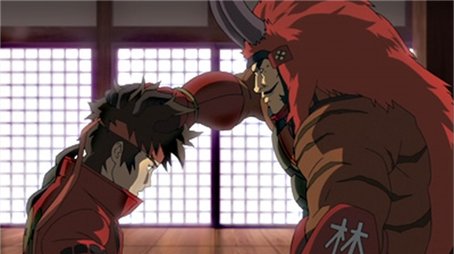
The episode begins with a tense atmosphere as the forces of Takeda Shingen, known as the Tiger of Kai, prepare for battle against the advancing army of Uesugi Kenshin. Shingen is depicted as a formidable warrior, embodying strength and leadership, while his loyal retainers, including the fierce and determined Katsuyori Takeda, rally around him. The scene is set at Midaigawa, where the two armies are poised for confrontation.
As the battle commences, the Takeda forces clash with the Uesugi troops. The animation captures the chaos of war, with swords clashing, arrows flying, and warriors shouting. Shingen leads his men with valor, showcasing his combat prowess as he takes on multiple enemies. The intensity of the fight is palpable, and the stakes are high as both sides are determined to claim victory.
During the battle, Shingen encounters Kenshin, who is equally skilled and charismatic. Their duel is a highlight of the episode, filled with dramatic exchanges and powerful strikes. The two warriors embody the ideals of their respective clans, and their clash is not just a physical confrontation but also a battle of wills. As they fight, the emotional weight of their rivalry is evident, with both men driven by their convictions and the desire to protect their people.
As the fight progresses, Shingen begins to show signs of fatigue, and the tide of battle starts to turn against him. Despite his strength, he is outnumbered, and the relentless assault from Kenshin's forces begins to take its toll. The animation emphasizes Shingen's struggle, highlighting his determination even as he faces overwhelming odds.
In a pivotal moment, Shingen makes a strategic decision to retreat, recognizing that continuing the fight would lead to unnecessary loss of life for his men. He orders Katsuyori and the other retainers to fall back, demonstrating his leadership and concern for his troops. However, this decision is met with mixed emotions among his followers, as some are eager to continue fighting.
As the Takeda forces retreat, Shingen is confronted by Kenshin one last time. The two engage in a final, climactic duel, where both warriors push themselves to their limits. The fight is intense, with each strike resonating with the weight of their rivalry. Ultimately, Kenshin gains the upper hand, and in a heart-wrenching moment, he delivers a fatal blow to Shingen.
The scene shifts to the aftermath of the battle, where the Takeda forces mourn the loss of their leader. Katsuyori is particularly affected, grappling with feelings of grief and anger. The emotional impact of Shingen's death reverberates through the ranks, and the once-proud army is left in disarray. The episode captures the somber mood, with visuals of fallen warriors and the desolation of the battlefield.
In the closing moments, the episode hints at the future implications of Shingen's death. The power dynamics in the region are set to shift, and the remaining characters are left to contemplate their next moves. The episode ends on a poignant note, emphasizing the cost of war and the personal sacrifices made by those involved.









What is the ending?
In the ending of "The Tiger of Kai Dies at Midaigawa!", the episode culminates in a fierce battle between Takeda Shingen and Uesugi Kenshin. Shingen, known as the Tiger of Kai, faces off against Kenshin, the warrior of the North. The fight is intense, showcasing their formidable skills and deep-seated rivalry. Ultimately, Shingen is mortally wounded during the clash, leading to his tragic demise. As he lies dying, he reflects on his life and the battles he has fought. The episode concludes with a somber tone, highlighting the weight of loss and the relentless nature of war.
As the episode begins, the atmosphere is charged with tension. The sun hangs low in the sky, casting long shadows over the battlefield at Midaigawa. Takeda Shingen, the Tiger of Kai, stands resolute, his armor gleaming in the fading light. He is determined to confront Uesugi Kenshin, his long-time rival, who is known for his unmatched prowess in battle. The stakes are high, as both warriors represent the pinnacle of their respective clans.
The scene shifts to Uesugi Kenshin, who approaches the battlefield with a calm yet fierce demeanor. His eyes are focused, reflecting his unwavering commitment to honor and the fight for his ideals. As he arrives, the tension between the two warriors is palpable, and the air crackles with anticipation. The two armies watch in silence, knowing that the outcome of this duel could change the course of their fates.
As the battle commences, Shingen and Kenshin engage in a fierce exchange of blows. The clang of their swords echoes across the field, each strike fueled by years of rivalry and the weight of their legacies. Shingen fights with the ferocity of a tiger, embodying his nickname, while Kenshin counters with the grace and precision of a master swordsman. The choreography of their duel is breathtaking, showcasing their skills and the deep respect they hold for one another as warriors.
As the fight intensifies, Shingen begins to show signs of fatigue, but his determination does not waver. He recalls the battles he has fought for his clan and the people he has sworn to protect. This internal reflection adds depth to his character, revealing the burden of leadership and the sacrifices he has made. Meanwhile, Kenshin remains focused, driven by his own ideals of justice and honor.
In a climactic moment, Shingen makes a bold move, attempting to land a decisive blow. However, Kenshin anticipates his attack and counters with a swift strike that pierces Shingen's side. The impact is devastating, and Shingen stumbles back, shock and pain etched across his face. The battlefield falls silent as the realization of his injury sinks in.
As Shingen collapses to the ground, the weight of his impending death becomes apparent. He gazes up at the sky, reflecting on his life, his battles, and the legacy he will leave behind. His thoughts drift to his comrades and the future of his clan, filled with a mix of pride and sorrow. Kenshin, standing over him, shows a moment of respect, acknowledging the strength and valor of his fallen rival.
In his final moments, Shingen expresses his hopes for the future, urging Kenshin to continue fighting for what is right. The emotional weight of this exchange underscores the themes of honor, sacrifice, and the tragic cost of war. As Shingen takes his last breath, the battlefield is enveloped in a somber silence, marking the end of an era.
The episode concludes with a poignant scene, as Shingen's body is carried away, leaving behind a legacy that will resonate through the ages. Kenshin, though victorious, is left to grapple with the loss of a worthy opponent, highlighting the bittersweet nature of their rivalry. The camera pans out, capturing the desolate battlefield, a stark reminder of the toll that conflict takes on both warriors and their clans. The episode ends on a reflective note, emphasizing the cycle of violence and the heavy burden of leadership in a time of war.
Is there a post-credit scene?
In the episode "The Tiger of Kai Dies at Midaigawa!" from Sengoku BASARA: Samurai Kings, there is no post-credit scene. The episode concludes without any additional content after the credits roll. The focus remains on the intense events that transpire during the episode, particularly the emotional and dramatic moments surrounding the character of Takeda Shingen and the implications of his fate. The narrative wraps up with the main storyline, leaving no further scenes or teasers for the audience to ponder after the credits.
What happens to Takeda Shingen during the battle at Midaigawa?
During the battle at Midaigawa, Takeda Shingen, known as the Tiger of Kai, faces off against his rival, Uesugi Kenshin. The intense confrontation showcases Shingen's fierce determination and tactical prowess. However, he ultimately suffers a grave injury that leads to his demise, marking a significant turning point in the power dynamics of the region.
How does Uesugi Kenshin react to Shingen's death?
Uesugi Kenshin is deeply affected by the death of Takeda Shingen. Despite their rivalry, Kenshin respects Shingen as a formidable warrior. His reaction is one of somber reflection, as he acknowledges the loss of a worthy opponent and the impact it will have on the ongoing conflict among the warlords.
What role does the character of Nobunaga Oda play in this episode?
In this episode, Nobunaga Oda's influence looms large over the battlefield. Although he does not appear directly in the fight, his ambitions and strategies are felt as the other warlords navigate their conflicts. His desire for power and control serves as a backdrop to the events unfolding at Midaigawa, driving the characters' motivations.
What is the significance of the Midaigawa river in the episode?
The Midaigawa river serves as a crucial setting for the battle between Takeda Shingen and Uesugi Kenshin. Its turbulent waters symbolize the chaos of war and the struggle for dominance. The river's presence heightens the stakes of the confrontation, as it becomes a literal and metaphorical barrier that the characters must confront.
How does the episode depict the relationship between Takeda Shingen and his retainers?
The episode highlights the loyalty and camaraderie between Takeda Shingen and his retainers. As Shingen prepares for battle, his retainers express their unwavering support and concern for his safety. Their emotional investment in his well-being underscores the deep bonds formed through shared struggles, making Shingen's eventual fate all the more tragic.
Is this family friendly?
Sengoku BASARA: Samurai Kings, particularly in episode 9 titled "The Tiger of Kai Dies at Midaigawa!", contains several elements that may not be considered family-friendly. Here are some potentially objectionable or upsetting aspects:
-
Violence: The episode features intense battle scenes with sword fighting, bloodshed, and characters being injured or killed, which may be distressing for younger viewers.
-
Death: The theme of mortality is prominent, with significant characters facing death, which can be emotionally heavy and may upset sensitive viewers.
-
Emotional Turmoil: Characters experience deep emotional struggles, including grief and despair, which may be difficult for children to process.
-
Dark Themes: The overarching themes of betrayal, loss, and the harsh realities of war are explored, which may not be suitable for all audiences.
-
Mature Language: While not explicit, the dialogue may include intense confrontations and emotionally charged exchanges that could be inappropriate for younger viewers.
These elements contribute to a tone that may be more suitable for older teens and adults rather than a younger audience.