


Popular
What motivates Date Masamune to confront his enemies in this episode?
How does the battle at Adzuchi Castle Tower escalate throughout the episode?
What role does Oda Nobunaga play in this episode's events?
How do the characters' relationships evolve during the battle?
What are the key techniques or abilities displayed by the characters in this episode?
Should I watch it?
Ask Your Own Question

What is the plot?
The episode begins with a tense atmosphere at Azuchi Castle, where the forces of Oda Nobunaga are preparing for a climactic battle. The castle stands tall, a symbol of Nobunaga's ambition, and the air is thick with anticipation as warriors gather for the confrontation. Nobunaga, confident and determined, is seen rallying his troops, emphasizing the importance of this battle for the future of Japan.
As the scene shifts, we see Date Masamune and his allies, including Katakura Kojūrō, making their way toward Azuchi Castle. Masamune is filled with a fierce resolve, driven by his desire to confront Nobunaga and prove his strength. The camaraderie between Masamune and Kojūrō is palpable, showcasing their loyalty and shared purpose. They strategize on how to breach the castle defenses, highlighting Masamune's tactical mind and his willingness to take risks.
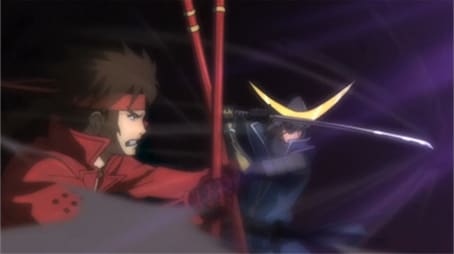
The battle begins with a fierce clash between the two armies outside the castle gates. The sound of clashing swords and the cries of warriors fill the air as both sides engage in combat. Masamune leads the charge, showcasing his exceptional swordsmanship and agility. He cuts through enemy soldiers with precision, his one-eyed gaze focused on the goal ahead. The animation captures the chaos of battle, with vibrant colors and dynamic movements that emphasize the intensity of the fight.
As the battle rages on, Nobunaga watches from the castle tower, his expression a mix of confidence and disdain. He orders his troops to hold the line, believing that his forces are superior. However, Masamune's relentless assault begins to turn the tide, and he pushes forward, determined to reach the castle. The stakes are raised as both sides suffer losses, and the emotional weight of the battle is felt through the expressions of the warriors.
In a pivotal moment, Masamune confronts one of Nobunaga's top generals, Akechi Mitsuhide. The two engage in a fierce duel, showcasing their skills and determination. Masamune's fighting style is aggressive and unyielding, while Mitsuhide counters with calculated precision. The duel is intense, with each warrior pushing their limits, and the outcome hangs in the balance. Masamune's internal struggle is evident as he fights not just for victory, but to prove himself against a formidable opponent.
Meanwhile, inside the castle, Nobunaga becomes increasingly frustrated with the progress of the battle. He decides to take matters into his own hands and joins the fray, descending from the tower to confront Masamune directly. The atmosphere shifts as Nobunaga's presence commands attention, and his reputation as a fearsome warrior precedes him. The tension escalates as the two leaders prepare to face off, each representing their own vision for Japan's future.
As Nobunaga and Masamune finally clash, the fight is a spectacle of skill and power. Nobunaga wields his weapon with authority, while Masamune counters with agility and ferocity. The battle is not just physical; it is a clash of ideologies, with each warrior embodying their beliefs about leadership and strength. The animation captures the fluidity of their movements, the impact of their strikes, and the emotional stakes of their confrontation.
During the fight, Masamune's determination shines through as he recalls the reasons for his struggle. He fights not only for himself but for his allies and the future they envision. This internal motivation fuels his resolve, and he pushes himself to the limit. The duel reaches a climax as both warriors unleash their ultimate techniques, resulting in a breathtaking display of power.
In the aftermath of their confrontation, the battle takes a dramatic turn. Nobunaga, despite his strength, begins to falter under Masamune's relentless assault. Just as it seems Masamune may gain the upper hand, Nobunaga reveals a hidden strength, countering Masamune's final attack with a devastating blow. The impact sends Masamune crashing to the ground, leaving him momentarily incapacitated.
As the dust settles, the battlefield is filled with the sounds of victory and defeat. Nobunaga stands triumphant, but the cost of the battle is evident in the fallen warriors around him. Masamune, though defeated, vows to rise again, his spirit unbroken. The episode concludes with a sense of unresolved tension, as both leaders reflect on the battle's outcome and the uncertain future that lies ahead for Japan. The emotional weight of their confrontation lingers, setting the stage for future conflicts and the ongoing struggle for power.








What is the ending?
In the ending of "Adzuchi Castle Tower: the Battle to the Death Where Tomorrow was Begun!", the fierce battle between the forces of Toyotomi Hideyoshi and the remnants of the Takeda clan culminates in a dramatic confrontation. The episode concludes with the defeat of the Takeda forces, leading to the death of their leader, Takeda Shingen. Meanwhile, Toyotomi Hideyoshi emerges victorious, solidifying his power. The episode ends with a sense of foreboding as the characters reflect on the cost of their ambitions and the ongoing conflict in the land.
As the episode unfolds, the scene opens with the imposing structure of Azuchi Castle, its towering walls casting long shadows over the battlefield. The air is thick with tension as the armies of Toyotomi Hideyoshi prepare for a decisive confrontation against the remnants of the Takeda clan, led by the indomitable Takeda Shingen. The atmosphere is charged with the anticipation of battle, and the clang of armor and the shouts of warriors fill the air.
The first major scene features Hideyoshi rallying his troops, his charisma igniting a fierce determination among his soldiers. He stands tall, his armor gleaming in the sunlight, as he delivers a rousing speech about the future of Japan and the need to unite under his banner. His eyes burn with ambition, and the loyalty of his men is palpable as they respond with fervor, ready to fight for their leader.
In contrast, Takeda Shingen, a figure of stoic resolve, prepares for the impending clash. He stands atop a hill, surveying the battlefield with a calm demeanor, his mind focused on the strategies that have brought him this far. His internal conflict is evident; he knows the stakes are high, and the weight of his clan's legacy rests on his shoulders. The loyalty of his warriors is unwavering, but he grapples with the reality of their dwindling numbers and the fierce determination of their enemies.
As the battle commences, the screen is filled with the chaos of war. Clashing swords, the cries of warriors, and the thundering of hooves create a cacophony that underscores the intensity of the conflict. Hideyoshi's forces charge forward, their movements synchronized and powerful, while the Takeda warriors fight valiantly, embodying the spirit of their fallen leader.
In a pivotal moment, Hideyoshi and Shingen finally come face to face. The tension is palpable as they engage in a fierce duel, each strike echoing the weight of their ambitions and the lives at stake. The choreography of their battle is both beautiful and brutal, showcasing their skills and the emotional stakes of their confrontation. Shingen fights with the ferocity of a lion, but the relentless drive of Hideyoshi begins to overwhelm him.
As the duel reaches its climax, Shingen, despite his prowess, is ultimately outmatched. In a heart-wrenching moment, he falls to the ground, defeated. The camera lingers on his face, capturing the mixture of pride and sorrow as he realizes the end of his journey. His warriors, witnessing their leader's fall, are filled with despair, and the morale of the Takeda forces crumbles.
With Shingen's defeat, Hideyoshi stands victorious, but the victory feels hollow. He surveys the battlefield, the weight of his triumph heavy on his shoulders. The cost of ambition is laid bare before him, as he reflects on the lives lost and the ongoing cycle of conflict that will continue to plague the land. The episode closes with a somber tone, hinting at the challenges that lie ahead for Hideyoshi and the fragile peace he seeks to establish.
In the aftermath, the fate of the main characters is sealed. Takeda Shingen, the proud leader of the Takeda clan, meets his end, leaving a legacy of honor and bravery. Toyotomi Hideyoshi, though victorious, is left to ponder the consequences of his ambition and the future of Japan, setting the stage for the ongoing struggles that will define the era. The episode concludes with a sense of unresolved tension, as the characters are left to grapple with the realities of their choices and the relentless march of history.
Is there a post-credit scene?
In the episode "Adzuchi Castle Tower: the Battle to the Death Where Tomorrow was Begun!" of Sengoku BASARA: Samurai Kings, there is no post-credit scene. The episode concludes without any additional content after the credits roll, focusing instead on the intense climax of the battle and the emotional resolutions of the characters involved. The narrative wraps up the ongoing conflicts and sets the stage for future developments without any extra scenes or teasers.
What motivates Date Masamune to confront his enemies in this episode?
In this episode, Date Masamune is driven by a fierce desire to prove his strength and resolve against his rivals. His internal motivation stems from his ambition to unify Japan and his need to assert his dominance as a formidable warrior. The stakes are high as he faces off against powerful foes, and his determination to emerge victorious is palpable.
How does the battle at Adzuchi Castle Tower escalate throughout the episode?
The battle at Adzuchi Castle Tower escalates dramatically as various factions clash, showcasing intense combat sequences. Initially, skirmishes break out among the warriors, but as the episode progresses, the conflict intensifies with the introduction of powerful techniques and strategies. The atmosphere becomes charged with tension as alliances shift and the stakes rise, culminating in a fierce showdown.
What role does Oda Nobunaga play in this episode's events?
Oda Nobunaga plays a pivotal role in this episode as the central antagonist. His presence looms over the battlefield, and his strategic mind drives the conflict forward. Nobunaga's ambition to conquer and unify Japan is evident, and his interactions with other characters reveal his ruthless nature and determination to eliminate any threats to his power.
How do the characters' relationships evolve during the battle?
During the battle, the relationships between characters are tested and evolve significantly. Allies become adversaries as personal motivations clash, and moments of betrayal and loyalty are highlighted. For instance, the rivalry between Masamune and Nobunaga deepens, while other characters grapple with their own loyalties, leading to emotional confrontations that shape their future interactions.
What are the key techniques or abilities displayed by the characters in this episode?
In this episode, characters showcase their unique fighting styles and abilities, which are visually striking and impactful. Date Masamune employs his signature speed and agility, utilizing his dual swords with precision. Oda Nobunaga demonstrates his overwhelming power and strategic prowess, using devastating attacks that reflect his status as a warlord. These techniques not only highlight their individual strengths but also contribute to the overall intensity of the battle.
Is this family friendly?
"Sengoku BASARA: Samurai Kings," particularly in episode 12 titled "Adzuchi Castle Tower: the Battle to the Death Where Tomorrow was Begun!", contains several elements that may not be considered family-friendly.
-
Violence and Combat: The episode features intense battles with sword fighting, bloodshed, and characters engaging in lethal confrontations. The depiction of violence is stylized but can still be graphic.
-
Death and Injury: Characters face serious injuries and the threat of death, which may be distressing for younger viewers or those sensitive to themes of mortality.
-
Emotional Turmoil: Characters experience significant emotional struggles, including feelings of betrayal, loss, and desperation, which may be heavy for some audiences.
-
Dark Themes: The overarching themes of war, ambition, and the consequences of power can be complex and may not resonate well with younger viewers.
These aspects contribute to a tone that may be more suitable for older teens and adults rather than children.