














































Popular
What are the key events leading to Marie Antoinette's marriage to Louis XVI?
How does Marie Antoinette's relationship with Louis XVI evolve throughout the film?
What role does the lavish lifestyle of Marie Antoinette play in the story?
How does Marie Antoinette's relationship with her friends influence her character development?
What is the significance of the scene where Marie Antoinette visits the Petit Trianon?
Should I watch it?
Ask Your Own Question

What is the plot?
Sorry, we aren't able to watch and write up a full detailed plot yet. Check back in a few days.




What is the ending?
In the ending of the movie "Marie Antoinette," Marie faces the consequences of the French Revolution. As the monarchy crumbles, she and King Louis XVI are captured and imprisoned. Ultimately, Marie is executed by guillotine, marking a tragic end to her life and reign.
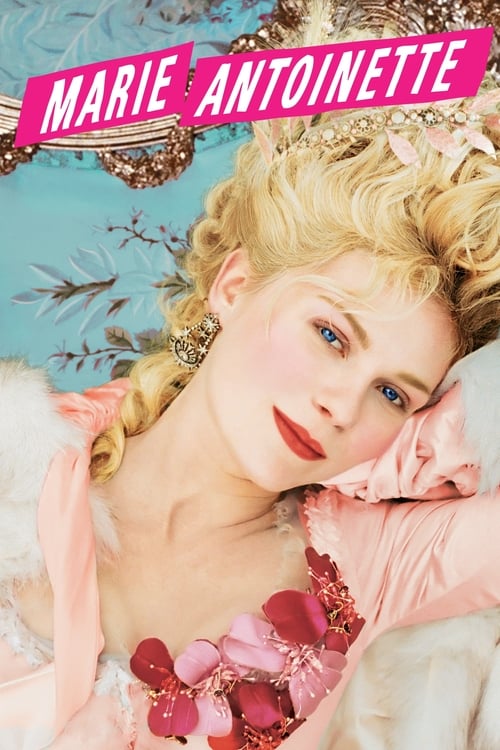
As the film approaches its conclusion, the atmosphere in France grows increasingly tense. The revolutionaries are gaining power, and the once opulent court of Versailles is now a shadow of its former self. The opening scene of this final act shows Marie Antoinette, played by Kirsten Dunst, in her lavish quarters, surrounded by the remnants of her extravagant lifestyle. She is increasingly isolated, her once-celebrated beauty and charm now overshadowed by the growing unrest outside the palace walls.
In a poignant moment, Marie receives news of the storming of the Bastille, a pivotal event that signifies the uprising of the people against the monarchy. The camera captures her expression of disbelief and fear, reflecting her internal struggle as she grapples with the reality of her situation. She clings to the hope that her husband, King Louis XVI, portrayed by Jason Schwartzman, can restore order and protect their family.
As the revolution intensifies, the royal family is forced to flee Versailles. The scene is chaotic, with courtiers and servants scrambling to gather their belongings. Marie, dressed in a simple gown, looks out at the angry mob, her face a mixture of fear and defiance. She tries to maintain her composure, but the weight of her circumstances is palpable. The once-celebrated queen is now a fugitive, stripped of her power and privilege.
The family is eventually captured and taken to the Tuileries Palace in Paris, where they are held under guard. The tension in the air is thick as they navigate their new reality. Marie's relationship with Louis becomes strained; he is depicted as increasingly withdrawn and unable to confront the dire situation. Marie, on the other hand, shows resilience, attempting to maintain a sense of dignity for her children amidst the chaos.
As the revolutionaries gain control, the royal family faces mounting pressure. In a heart-wrenching scene, Marie is separated from her children, who are taken away for their safety. The emotional turmoil is evident on her face as she realizes the gravity of their situation. She is left alone to confront the impending doom, her once-vibrant spirit dimmed by the harsh realities of her fate.
The climax of the film arrives with Marie's arrest and trial. The scenes are stark and somber, contrasting sharply with the opulence of her earlier life. She is portrayed in a dimly lit cell, her once-flamboyant attire replaced by a simple prison dress. The camera lingers on her face, capturing the fear and resignation that have taken hold of her. The revolutionaries, now in power, are relentless in their pursuit of justice, and Marie becomes a symbol of the monarchy's excesses.
In the final moments, Marie is led to the guillotine. The scene is haunting, with the crowd's chants echoing in the background. As she walks to her execution, her expression is a mix of defiance and despair. The film captures the gravity of the moment, emphasizing the loss of a life that was once filled with luxury and privilege. The camera focuses on her face as she meets her fate, a tragic end to a life marked by both grandeur and tragedy.
The film concludes with a sense of finality, leaving the audience to reflect on the consequences of power, excess, and the fragility of life. Marie Antoinette's fate serves as a poignant reminder of the tumultuous times in which she lived, and the film closes on a somber note, underscoring the dramatic shift in the course of history.
Is there a post-credit scene?
The movie "Marie Antoinette," directed by Sofia Coppola and released in 2006, does not contain a post-credit scene. The film concludes with a poignant and visually striking sequence that encapsulates Marie Antoinette's life and her eventual downfall, but there are no additional scenes or content after the credits roll. The film ends on a reflective note, emphasizing the themes of isolation, indulgence, and the consequences of a life lived in excess, leaving the audience to ponder the fate of the iconic queen.
What are the key events leading to Marie Antoinette's marriage to Louis XVI?
Marie Antoinette, an Austrian archduchess, is sent to France at a young age to marry Louis XVI as part of a political alliance. The film depicts her arrival in France, her initial isolation, and the pressure she faces to fulfill her role as the future queen. The opulent yet stifling atmosphere of the French court is vividly portrayed, highlighting her youth and naivety as she navigates the expectations placed upon her.
How does Marie Antoinette's relationship with Louis XVI evolve throughout the film?
Initially, Marie Antoinette and Louis XVI's relationship is awkward and distant, marked by his shyness and her frustration. As the film progresses, they share tender moments, particularly during their private interactions, which reveal their growing affection. However, the pressures of court life and their responsibilities create tension, leading to a complex dynamic that reflects both love and the burdens of monarchy.
What role does the lavish lifestyle of Marie Antoinette play in the story?
Marie Antoinette's extravagant lifestyle is a central theme in the film, showcasing her love for fashion, parties, and luxury. The film visually contrasts her opulent wardrobe and the grand celebrations at Versailles with the growing discontent among the French populace. This indulgence serves to illustrate her internal conflict as she grapples with her identity as a queen and the expectations of her role, ultimately leading to her isolation.
How does Marie Antoinette's relationship with her friends influence her character development?
Marie Antoinette's friendships, particularly with figures like the Duchess de Polignac, provide her with companionship and a sense of belonging in the isolating environment of the court. These relationships are depicted through lively gatherings and intimate conversations, showcasing her desire for connection and understanding. However, as the political climate shifts and her friends face backlash, Marie's loyalty is tested, highlighting her vulnerability and the consequences of her choices.
What is the significance of the scene where Marie Antoinette visits the Petit Trianon?
The visit to the Petit Trianon represents a pivotal moment for Marie Antoinette, as it symbolizes her desire for freedom and escape from the rigid constraints of court life. The serene and pastoral setting allows her to express her individuality and enjoy a more relaxed lifestyle. This scene is visually striking, filled with lush gardens and intimate gatherings, reflecting her longing for authenticity amidst the pressures of her royal duties.
Is this family friendly?
The movie "Marie Antoinette," directed by Sofia Coppola, contains several elements that may be considered objectionable or upsetting for children or sensitive viewers. Here are some aspects to be aware of:
-
Mature Themes: The film explores themes of political intrigue, betrayal, and the pressures of royal life, which may be complex for younger audiences to understand.
-
Sexual Content: There are scenes that imply sexual relationships and infidelity, including suggestive imagery and situations that may not be suitable for children.
-
Substance Use: The film depicts scenes of partying, drinking, and opulence, which include the use of alcohol and the effects of excess, potentially glamorizing substance use.
-
Emotional Turmoil: Marie Antoinette experiences significant emotional distress, loneliness, and anxiety throughout the film, which may be intense for sensitive viewers.
-
Historical Context: The backdrop of the French Revolution and the eventual downfall of the monarchy is present, which includes themes of violence and societal upheaval, though not graphically depicted.
-
Visual Excess: The lavish lifestyle and extravagant parties may be overwhelming or confusing for younger viewers, as they contrast sharply with the underlying tensions of the narrative.
These elements contribute to a film that, while visually stunning and artistically rich, may not be appropriate for all audiences, particularly children.









