






Popular
What is the significance of Tohru's relationship with Kobayashi in the Specials?
How does Kanna's character develop in the Specials?
What comedic situations arise from Tohru's attempts to fit into human society?
How does the character of Fafnir contribute to the plot in the Specials?
What role does Elma play in the Specials and how does she interact with the main cast?
Should I watch it?
Ask Your Own Question

What is the plot?
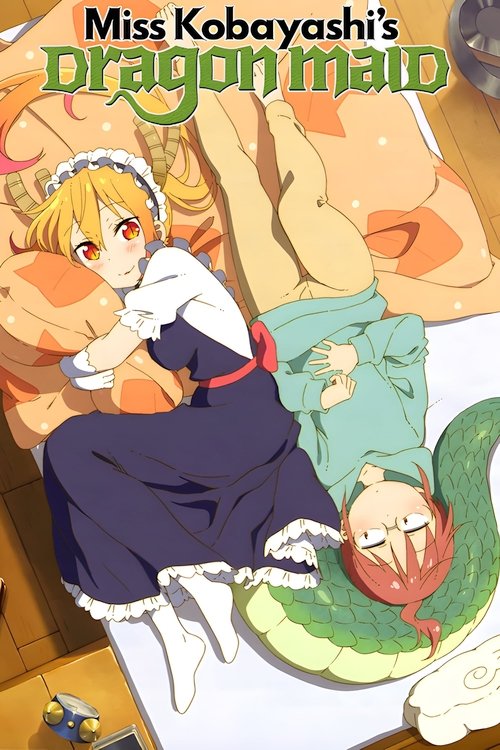
In the first special of "Miss Kobayashi's Dragon Maid," the episode opens with Kobayashi waking up in her apartment, where she is greeted by Tohru, who is preparing breakfast. Tohru's enthusiasm for cooking is evident as she presents a lavish spread, showcasing her dedication to serving Kobayashi. Kobayashi, however, is slightly overwhelmed by the extravagant meal, reflecting her more modest lifestyle. The scene captures the contrast between Tohru's dragon nature and Kobayashi's human sensibilities.
As they eat, Tohru expresses her desire to learn more about human customs, particularly those related to food. This leads to a humorous exchange where Kobayashi tries to explain the concept of "eating out" at restaurants. Tohru, eager to understand, misinterprets Kobayashi's words, leading to a series of comedic misunderstandings about dining etiquette. The lighthearted banter highlights their growing bond and Tohru's earnestness in wanting to fit into Kobayashi's world.
The scene transitions to a day out where Kobayashi takes Tohru to a local festival. The vibrant atmosphere is filled with colorful stalls, games, and traditional food. Tohru is fascinated by the sights and sounds, her dragon instincts occasionally surfacing as she reacts to the various attractions. Kobayashi enjoys watching Tohru's excitement, feeling a sense of warmth and happiness in sharing these experiences. They participate in games, and Tohru's competitive nature shines through as she wins a plush toy, which she proudly presents to Kobayashi.
Later, they encounter a group of children who are intrigued by Tohru's dragon form. Tohru, initially hesitant, decides to transform into her dragon form to entertain them. The children are awestruck, and Tohru revels in their admiration, showcasing her playful side. Kobayashi watches with a mix of pride and concern, aware of the potential consequences of revealing Tohru's true nature to the public. This moment deepens their relationship, as Tohru feels accepted and loved by both Kobayashi and the children.
As the festival continues, Kobayashi and Tohru enjoy various foods, but Tohru's insatiable appetite leads to a comedic situation where she overindulges. This results in a humorous scene where Tohru struggles to keep up with Kobayashi, who is more accustomed to moderation. The playful dynamic between them is evident, showcasing their contrasting personalities and how they complement each other.
The special concludes with a quiet moment back at Kobayashi's apartment. They reflect on the day's events, with Tohru expressing her gratitude for Kobayashi's companionship. Kobayashi, in turn, acknowledges how much Tohru has changed her life for the better. The episode ends on a heartwarming note, emphasizing the bond they have formed and the joy they find in each other's company.
Related Titles
Browse All Titles →






What is the ending?
In the ending of "Miss Kobayashi's Dragon Maid: Specials," the various short stories conclude with lighthearted moments that showcase the characters' relationships and daily lives. The episodes highlight the bond between Kobayashi and Tohru, as well as the interactions with other dragons and humans, emphasizing themes of friendship and acceptance.
As the specials unfold, we see Tohru's unwavering dedication to Kobayashi, often leading to humorous situations. The episodes culminate in a series of heartwarming scenes that reinforce the importance of family, whether by blood or by choice. The characters find joy in their mundane activities, and the special concludes with a sense of warmth and contentment, leaving the audience with a feeling of happiness and connection.
The first special opens with a bright morning in Kobayashi's apartment. The sun filters through the curtains, casting a warm glow on the room. Kobayashi, still groggy from sleep, is greeted by Tohru, who is already bustling about, preparing breakfast. Tohru's enthusiasm is palpable as she presents a beautifully arranged meal, her eyes sparkling with excitement. Kobayashi, still half-asleep, can't help but smile at Tohru's efforts, feeling a mix of gratitude and amusement.
As the day progresses, we see a series of vignettes that showcase the daily lives of the characters. In one scene, Kanna, the adorable dragon child, is seen playing with her friends at school. Her innocence and curiosity shine through as she navigates the complexities of human interactions, often leading to comical misunderstandings. Kanna's interactions with her classmates reveal her desire to fit in, and her determination to learn more about the human world is heartwarming.
Meanwhile, Fafnir, the reclusive dragon, is depicted in a humorous light as he struggles with his newfound friendship with humans. His initial reluctance to engage with them is evident, but as he spends more time with Kobayashi and Tohru, he begins to soften. In a particularly funny scene, Fafnir attempts to play video games with Kobayashi, leading to a series of competitive yet lighthearted moments that highlight his growing acceptance of human companionship.
The specials also delve into the dynamics between Tohru and Kobayashi. In a touching moment, Tohru expresses her desire to be of service to Kobayashi, her eyes filled with determination. Kobayashi, in turn, reassures Tohru that her presence alone is enough, emphasizing the emotional bond they share. This exchange encapsulates the essence of their relationship, built on mutual respect and affection.
As the episodes draw to a close, the characters gather for a small celebration at Kobayashi's apartment. The atmosphere is filled with laughter and joy as they share stories and enjoy each other's company. Tohru, Kanna, and Fafnir all contribute to the festivities, showcasing their unique personalities and the growth they have experienced throughout the series.
In the final scene, Kobayashi looks around at her friends, a content smile on her face. The warmth of the moment envelops her, and she realizes how much her life has changed since meeting Tohru. The camera pans out, capturing the cozy scene of camaraderie and happiness, leaving the audience with a sense of fulfillment and hope for the future.
In summary, the ending of "Miss Kobayashi's Dragon Maid: Specials" encapsulates the themes of friendship, acceptance, and the joy of everyday life. Each character finds their place within this makeshift family, and the bonds they have formed are celebrated in a heartwarming conclusion that resonates with the audience.
Is there a post-credit scene?
In the "Miss Kobayashi's Dragon Maid" Specials, there is indeed a post-credit scene that adds a light-hearted touch to the overall narrative.
As the episode wraps up, the scene transitions to a serene setting where Kobayashi is seen enjoying a quiet moment at home. The atmosphere is calm, with soft lighting that highlights the cozy interior of her apartment. Suddenly, the tranquility is interrupted by the arrival of Tohru, who bursts in with her usual exuberance. She is excitedly holding a large, colorful cake, which she has baked for Kobayashi as a gesture of appreciation.
Tohru's face radiates joy and pride as she presents the cake, her eyes sparkling with anticipation for Kobayashi's reaction. However, the moment takes a humorous turn when Kobayashi, caught off guard, expresses her concern about the cake's size and the potential mess it might create. Tohru, undeterred, insists that it will be delicious and that they should enjoy it together.
The scene captures the essence of their relationship--Tohru's enthusiastic, sometimes over-the-top nature juxtaposed with Kobayashi's more reserved and practical demeanor. As they prepare to slice the cake, the camera zooms in on Tohru's eager expression, showcasing her desire to make Kobayashi happy. The scene ends on a light note, with laughter and a sense of warmth, reinforcing the bond they share.
This post-credit moment encapsulates the themes of friendship and domestic life that are central to the series, leaving viewers with a smile as they reflect on the charming dynamics between the characters.
What is the significance of Tohru's relationship with Kobayashi in the Specials?
In the Specials of Miss Kobayashi's Dragon Maid, Tohru's relationship with Kobayashi is explored in various light-hearted and comedic scenarios that highlight her deep affection and loyalty towards her. Tohru often goes to great lengths to please Kobayashi, showcasing her desire to be a good maid and companion. This dynamic is particularly evident in episodes where Tohru tries to adapt to human customs and understand Kobayashi's preferences, revealing her emotional vulnerability and the lengths she will go to for Kobayashi's happiness.
How does Kanna's character develop in the Specials?
Kanna's character development in the Specials is marked by her interactions with both Tohru and Kobayashi. She exhibits a childlike innocence and curiosity, often leading to humorous situations. In one episode, Kanna's desire to experience human life is showcased as she engages in activities like playing games and making friends. Her emotional state reflects a longing for connection, and her bond with Kobayashi deepens as she learns to navigate her feelings of belonging and family.
What comedic situations arise from Tohru's attempts to fit into human society?
Tohru's attempts to fit into human society lead to a series of comedic situations throughout the Specials. For instance, her misunderstanding of human customs often results in exaggerated reactions, such as when she misinterprets a simple request or overreacts to mundane situations. These moments not only provide humor but also highlight Tohru's earnestness and her struggle to balance her dragon instincts with her desire to be a good maid for Kobayashi.
How does the character of Fafnir contribute to the plot in the Specials?
Fafnir's character adds a unique dynamic to the Specials, particularly through his interactions with Tohru and Kobayashi. As a dragon who has transformed into a human, Fafnir often grapples with his past as a treasure hoarder and his current life. His cynical outlook on humans contrasts with Tohru's enthusiasm, leading to humorous exchanges. Fafnir's character also explores themes of friendship and acceptance, as he gradually opens up to the idea of forming bonds with the other characters.
What role does Elma play in the Specials and how does she interact with the main cast?
Elma's role in the Specials introduces a new layer of conflict and humor as she represents a rival to Tohru. Her interactions with the main cast often revolve around her competitive nature, particularly in her desire to outdo Tohru. Elma's presence brings about comedic rivalry, especially in food-related scenarios, where her love for food clashes with Tohru's cooking. This rivalry not only serves as a source of humor but also allows for character growth as they learn to appreciate each other's strengths.
Is this family friendly?
"Miss Kobayashi's Dragon Maid: Specials" is generally considered family-friendly, but there are a few aspects that may be objectionable or upsetting for children or sensitive viewers.
-
Mild Suggestive Themes: Some scenes contain innuendos or suggestive humor that may not be suitable for younger audiences.
-
Alcohol Consumption: There are instances where characters are shown drinking alcohol, which may not be appropriate for children.
-
Fantasy Violence: While the violence is not graphic, there are moments of conflict involving dragons that may be intense for some viewers.
-
Emotional Moments: Certain scenes explore themes of loneliness, identity, and acceptance, which could evoke strong emotions and may be difficult for younger viewers to process.
-
Character Quirks: Some characters exhibit eccentric behaviors that might be confusing or unsettling to sensitive viewers, such as obsessive tendencies or extreme reactions.
Overall, while the series has a light-hearted tone, these elements may warrant parental guidance for younger audiences.









