








Popular
What challenges does John Nolan face as the oldest rookie in the LAPD?
How does the relationship between John Nolan and his training officer, Talia Bishop, develop throughout the season?
What role does the character Angela Lopez play in the story, and how does her character arc unfold?
What significant events lead to John Nolan's first major arrest, and how does it impact his character?
How does the show portray the theme of mentorship through the character of Sergeant Wade Grey?
Should I watch it?
Ask Your Own Question

What is the plot?
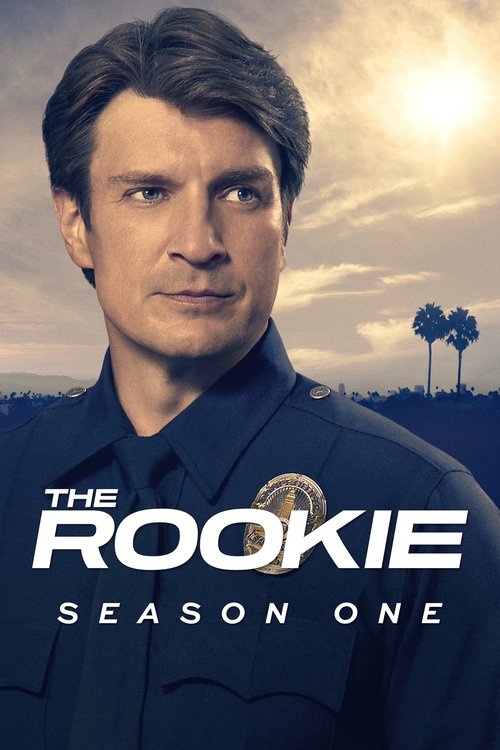
The Rookie begins with John Nolan, a 40-year-old man, who is in the midst of a life crisis after a bank robbery he witnesses leads to him being shot at. This traumatic event prompts him to pursue his long-held dream of becoming a police officer. He moves to Los Angeles and applies to the LAPD, despite the skepticism of his friends and family regarding his age.
Nolan arrives at the LAPD Academy, where he meets his fellow recruits, including the ambitious Lucy Chen, the cocky and confident Jackson West, and the tough but supportive training officer, Talia Bishop. During the first day of training, Nolan struggles to keep up with the younger recruits, facing physical challenges and the judgment of his peers. He is determined to prove himself, despite the obstacles.
As the recruits begin their training, they are introduced to their training officers. Nolan is assigned to Officer Angela Lopez, who is tough and expects a lot from him. She pushes him to confront his fears and insecurities. Meanwhile, Nolan's age becomes a point of contention, as some of the younger recruits mock him, but he remains focused on his goal.
In one of the training exercises, the recruits are put through a high-pressure scenario involving a hostage situation. Nolan's quick thinking and ability to remain calm under pressure impresses his training officer, but he still faces challenges in the field. He struggles with the physical demands of the job, particularly during a chase where he falls behind the younger recruits.
Nolan's first real taste of police work comes when he and Lopez respond to a domestic disturbance call. The situation escalates, and Nolan's instincts kick in as he tries to de-escalate the situation. He shows compassion and understanding, which earns him respect from Lopez and his fellow officers. This experience solidifies his desire to be a police officer and helps him gain confidence.
As the season progresses, Nolan faces various challenges, including a confrontation with a gang member during a traffic stop. He is forced to confront his own biases and fears, ultimately choosing to handle the situation with empathy rather than aggression. This decision highlights his growth as a character and his commitment to the values of policing.
Nolan also develops a bond with Lucy Chen, who is dealing with her own struggles as a rookie. They support each other through the challenges of training and the pressures of their new roles. Their friendship deepens as they navigate the complexities of their jobs and the expectations placed on them.
In a pivotal moment, Nolan is involved in a shooting incident while on patrol. He is forced to make a split-second decision that has lasting consequences. The incident shakes him to his core, and he grapples with the emotional fallout of taking a life, even in the line of duty. This event serves as a turning point for Nolan, forcing him to confront the realities of police work.
Throughout the season, Nolan's relationship with his training officer, Lopez, evolves. She becomes a mentor to him, guiding him through the challenges of being a rookie cop. Their dynamic is tested when Lopez faces her own personal struggles, including a difficult decision regarding her career and her relationship with her partner.
As the season nears its conclusion, Nolan and his fellow recruits face a final evaluation that will determine their future with the LAPD. The pressure mounts as they prepare for the assessment, and tensions rise among the group. Nolan's determination to succeed is palpable, and he reflects on how far he has come since starting the academy.
In the final episodes, the recruits are put through a series of intense scenarios that test their skills and decision-making abilities. Nolan's growth is evident as he navigates these challenges with confidence and poise. He demonstrates his commitment to the job and his desire to make a difference in the community.
The season culminates in a dramatic confrontation involving a dangerous suspect that puts Nolan and his fellow officers in harm's way. Nolan's quick thinking and bravery shine through as he takes charge of the situation, ultimately leading to a successful resolution. This moment solidifies his place as a competent officer and earns him the respect of his peers.
The season ends with Nolan reflecting on his journey, acknowledging the challenges he has faced and the growth he has experienced. He is no longer just a rookie; he has proven himself as a capable officer ready to take on the responsibilities of the job. The bonds he has formed with his fellow recruits and training officers set the stage for future challenges and adventures in his career with the LAPD.







What is the ending?
In the final episode of "The Rookie" Season 1, Officer John Nolan and his fellow rookies face a series of challenges that test their resolve and commitment to their new careers in law enforcement. The episode culminates in a tense standoff that ultimately leads to a resolution of personal and professional conflicts for the characters.
As the episode unfolds, we see John Nolan, played by Nathan Fillion, grappling with the weight of his responsibilities as a rookie cop. He is determined to prove himself, not just to his superiors but also to his fellow officers. The stakes are high as he and his partner, Officer Talia Bishop, respond to a call that escalates into a dangerous situation involving a hostage.
In a pivotal scene, Nolan's quick thinking and bravery come to the forefront as he navigates the complexities of the standoff. He demonstrates his growth as a character, moving from a novice to someone who can handle high-pressure situations. His internal struggle is palpable; he is torn between his desire to protect the innocent and the fear of failure.
Meanwhile, Officer Lucy Chen, another rookie, faces her own challenges. She is determined to prove her worth and confronts her insecurities head-on. Her journey throughout the season culminates in a moment of bravery that showcases her development as a character. She stands up for herself and her partner, solidifying her place within the team.
As the standoff reaches its climax, the tension is thick in the air. The officers work together, showcasing their training and camaraderie. The resolution comes when Nolan makes a critical decision that not only saves the hostage but also earns him the respect of his peers. The emotional weight of the moment is significant, as Nolan realizes that he has truly become a part of the team.
In the aftermath, the rookies reflect on their experiences. Nolan, Bishop, and Chen share a moment of camaraderie, acknowledging the challenges they have faced and the bonds they have formed. Each character has grown in their own way, and the episode ends on a hopeful note, suggesting that they are ready to face whatever comes next in their careers.
The fate of each main character is as follows: John Nolan has proven himself as a capable officer, gaining the respect of his colleagues. Talia Bishop has solidified her role as a mentor and partner, while Lucy Chen has emerged as a confident and competent officer. Together, they look forward to the future, ready to tackle the challenges of their profession with newfound strength and unity.
Is there a post-credit scene?
In the first season of "The Rookie," there is no post-credit scene following the episodes. The show focuses on the journey of John Nolan, a 40-year-old man who becomes the oldest rookie in the Los Angeles Police Department. Each episode concludes with a wrap-up of the storylines presented, but they do not include additional scenes or content after the credits. The narrative is tightly woven around Nolan's experiences, challenges, and growth as he navigates the complexities of police work and his relationships with fellow officers.
What challenges does John Nolan face as the oldest rookie in the LAPD?
John Nolan, portrayed by Nathan Fillion, faces numerous challenges as the oldest rookie in the LAPD. His age sets him apart from his younger colleagues, leading to skepticism about his abilities. He struggles with the physical demands of police work, often feeling out of place during training exercises. Additionally, he grapples with the generational gap, as his life experiences differ significantly from those of his peers. Nolan's determination to prove himself drives him to confront these challenges head-on, showcasing his resilience and adaptability.
How does the relationship between John Nolan and his training officer, Talia Bishop, develop throughout the season?
The relationship between John Nolan and Talia Bishop, played by Afton Williamson, evolves significantly throughout the season. Initially, Talia is skeptical of Nolan's capabilities, viewing him as a liability due to his age and inexperience. However, as they face various challenges together, including high-stress situations and dangerous encounters, Talia begins to see Nolan's determination and resourcefulness. Their dynamic shifts from mentor-mentee to a more collaborative partnership, with Talia respecting Nolan's insights and Nolan appreciating Talia's guidance and support.
What role does the character Angela Lopez play in the story, and how does her character arc unfold?
Angela Lopez, portrayed by Alyssa Diaz, plays a significant role as a fellow rookie and a strong, ambitious officer. Throughout the season, her character arc unfolds as she navigates the challenges of being a woman in a male-dominated field. Angela faces personal struggles, including her complicated relationship with her family and the pressure to prove herself. Her determination to succeed is evident as she tackles difficult cases and stands up for her beliefs, ultimately earning the respect of her peers and solidifying her place within the team.
What significant events lead to John Nolan's first major arrest, and how does it impact his character?
John Nolan's first major arrest occurs during a high-stakes situation where he and Talia Bishop respond to a domestic disturbance. The tension escalates when they discover a suspect with a weapon. Nolan's quick thinking and bravery come into play as he manages to de-escalate the situation, leading to the arrest. This pivotal moment is a turning point for Nolan, as it boosts his confidence and solidifies his commitment to his new career. The experience also deepens his understanding of the complexities of police work, shaping his character as he learns the importance of making split-second decisions under pressure.
How does the show portray the theme of mentorship through the character of Sergeant Wade Grey?
Sergeant Wade Grey, played by Richard T. Jones, embodies the theme of mentorship throughout the season. He serves as a guiding figure for John Nolan and the other rookies, often providing tough love and practical advice. Grey's no-nonsense approach challenges the rookies to rise to the occasion, pushing them to confront their fears and insecurities. His mentorship is not just about teaching the ropes of police work; it also involves imparting life lessons about responsibility, integrity, and the realities of law enforcement. As the season progresses, Grey's investment in the rookies' growth becomes evident, highlighting the importance of mentorship in shaping their careers.
Is this family friendly?
"The Rookie," season 1, contains several elements that may be considered objectionable or upsetting for children or sensitive viewers. Here are some aspects to be aware of:
-
Violence and Crime Scenes: The show features police work, which includes depictions of crime scenes, confrontations, and the aftermath of violent incidents. There are moments of physical altercations and the threat of gun violence.
-
Language: There is occasional use of strong language, including profanity, which may not be suitable for younger audiences.
-
Emotional Struggles: Characters deal with intense emotional situations, including stress from their jobs, personal loss, and the impact of crime on victims and their families. These themes may be heavy for younger viewers.
-
Mature Themes: The show touches on themes such as corruption, moral dilemmas, and the complexities of law enforcement, which may be difficult for children to fully understand.
-
Substance Use: There are references to drug use and the effects of addiction, which may be concerning for some viewers.
These elements contribute to the show's mature tone and may not be suitable for all audiences, particularly younger children.