
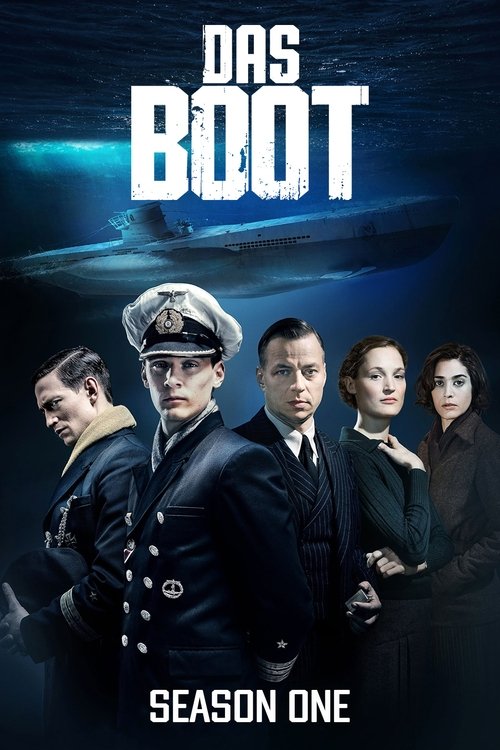














Popular
What motivates the character of U-boat Captain Klaus Hoffmann throughout the season?
How does the character of Simone Strasser evolve during the season?
What are the key events that lead to the conflict between the U-boat crew and the British forces?
How does the character of First Officer 2nd Lt. Ralf Möller impact the crew dynamics?
What role does the setting of the U-boat play in the characters' psychological states?
Should I watch it?
Ask Your Own Question

What is the plot?
In the opening scenes of "Das Boot," we are introduced to the U-boat crew aboard U-612, a German submarine during World War II. The crew is preparing for a mission, and we see the camaraderie and tension among them. The captain, Klaus Hoffmann, is portrayed as a competent but conflicted leader, grappling with the moral implications of their mission. The atmosphere is tense as they receive their orders to patrol the Atlantic, and the crew is anxious about the dangers that lie ahead.
As the U-boat sets sail, we witness the claustrophobic environment inside the submarine. The crew members are introduced, including the first officer, Lieutenant Werner, who is eager but inexperienced. The dynamics among the crew are explored, revealing personal conflicts and differing attitudes towards the war. The audience sees the harsh realities of life aboard a submarine, including the cramped living conditions and the constant threat of enemy detection.
The U-612 encounters its first challenge when they are attacked by a British warship. The crew springs into action, showcasing their training and teamwork. The tension escalates as they dive to evade the enemy, and the audience feels the fear and adrenaline coursing through the crew. The captain makes critical decisions about their course of action, weighing the risks of engaging versus evading. Ultimately, they manage to escape, but not without sustaining damage to the submarine.
As the mission continues, the crew faces internal struggles. Lieutenant Werner begins to question the morality of their actions, especially after they sink a merchant ship, resulting in civilian casualties. This event weighs heavily on him, and he confides in his fellow crew members, who have varying degrees of acceptance regarding their role in the war. The emotional toll of their actions begins to manifest, leading to conflicts among the crew.
Meanwhile, on land, we follow the story of Simone Strasser, a young woman in occupied France. She is navigating the complexities of life under German occupation, dealing with the loss of her brother and the oppressive environment. Simone's character is developed as she becomes involved with the French Resistance, highlighting the contrasting experiences of those on land versus those at sea.
Back on the U-612, the crew receives new orders to engage in more aggressive patrols. The captain is determined to prove himself and the effectiveness of his crew. As they encounter more enemy vessels, the stakes rise. During one intense confrontation, they engage in a cat-and-mouse game with a British destroyer. The tension is palpable as they maneuver through the water, and the crew's fear and determination are evident.
The U-612 suffers a critical blow when they are detected and attacked by depth charges. The crew must work together to repair the damage and keep the submarine operational. The stress of the situation leads to heightened emotions, and the crew's loyalty to one another is tested. The captain's leadership is crucial as he navigates the crisis, making split-second decisions to ensure their survival.
As the mission progresses, the crew faces increasing isolation and despair. Supplies are running low, and the psychological strain of being underwater for extended periods begins to take its toll. The crew members grapple with their fears and doubts, leading to moments of vulnerability and conflict. The audience witnesses the breakdown of morale as they confront the reality of their situation.
In a pivotal moment, the U-612 is ordered to return to base after a harrowing encounter. The crew is relieved but also aware of the dangers that await them on the surface. As they surface, they are met with a chaotic scene of war, and the reality of their actions weighs heavily on them. The captain reflects on the cost of their mission, and the crew's emotional state is fragile.
The season culminates in a dramatic finale as the U-612 faces a final confrontation with enemy forces. The crew must make critical decisions that will determine their fate. The tension reaches its peak as they engage in a desperate battle for survival. The emotional stakes are high, and the audience is left on the edge of their seats as the outcome remains uncertain.
In the closing moments, the consequences of their actions are laid bare. The crew's journey has transformed them, and the weight of their experiences will linger long after the mission ends. The season concludes with a sense of unresolved tension, leaving the audience eager for what lies ahead in the next chapter of their story.








What is the ending?
In the ending of "Das Boot," the U-boat crew faces dire consequences after a harrowing mission. The submarine is severely damaged, and the crew is forced to confront their fate as they navigate the treacherous waters. The story culminates in a tense standoff, leading to significant losses and a sense of despair among the survivors. The fate of the main characters is sealed in the chaos of war, leaving a haunting impression of the cost of conflict.
As the final episodes unfold, the tension aboard the U-boat escalates. The crew, led by Captain Klaus Hoffmann, is deep in enemy waters, grappling with the psychological toll of their mission. The atmosphere is thick with anxiety and fear, as they are acutely aware of the dangers lurking above and below the surface.
Scene by scene, the narrative reveals the crew's struggles. The U-boat is engaged in a fierce battle with Allied forces, and the sound of depth charges reverberates through the metal hull, creating a cacophony of terror. The crew members, once filled with bravado, now exhibit signs of desperation and fatigue. Captain Hoffmann, burdened by the weight of command, wrestles with his decisions, questioning the morality of their mission and the cost of their loyalty to the Reich.
As the U-boat sustains critical damage, the crew is forced to make difficult choices. They attempt to repair the submarine while under attack, showcasing their resourcefulness and determination. However, the relentless pressure of the enemy forces proves overwhelming. The crew's camaraderie is tested as they face the reality of their situation, with some members succumbing to despair while others cling to hope.
In a pivotal moment, the U-boat is cornered by enemy ships, and the crew realizes that escape is nearly impossible. The tension reaches a breaking point as they prepare for what seems to be their final stand. The sound of alarms blares, and the crew scrambles to their stations, each man grappling with his own fears and regrets. The camera captures their faces, etched with a mix of resolve and resignation.
As the battle rages on, the U-boat is ultimately overwhelmed. The crew experiences a harrowing descent into chaos, with explosions and flooding threatening to consume them. In the midst of the turmoil, key characters face their fates. Captain Hoffmann, embodying the weight of leadership, makes a final, desperate attempt to save his crew, but the odds are stacked against them.
In the end, the U-boat is lost, and the survivors are left to confront the aftermath of their choices. The emotional toll is palpable as they grapple with loss and the futility of their mission. The fate of each main character is sealed in the chaos: some perish in the depths, while others are left to face the grim reality of survival in a war that has taken everything from them.
The series concludes with a haunting sense of ambiguity, leaving the audience to ponder the true cost of war and the fragility of human life amidst the relentless machinery of conflict. The final scenes linger on the faces of the survivors, capturing their haunted expressions as they navigate the uncertain waters ahead, forever changed by their experiences.
Is there a post-credit scene?
In the 2018 series "Das Boot," there is no post-credit scene following the episodes of Season 1. The narrative concludes with the final moments of each episode, focusing on the intense and dramatic developments of the characters and their situations without any additional scenes after the credits. The series maintains a tight focus on the unfolding storylines, emphasizing the psychological and physical challenges faced by the crew of the U-boat and the characters on land.
What motivates the character of U-boat Captain Klaus Hoffmann throughout the season?
Captain Klaus Hoffmann is driven by a complex mix of duty, loyalty, and the desire for survival. As he navigates the treacherous waters of World War II, his commitment to his crew and the mission often clashes with his growing doubts about the war and its moral implications. His internal struggle is palpable, especially as he witnesses the toll of warfare on both his men and the enemy.
How does the character of Simone Strasser evolve during the season?
Simone Strasser begins as a young woman caught in the turmoil of war, initially motivated by a sense of duty to her family and country. As the season progresses, her experiences in the resistance and her interactions with various characters, including the U-boat crew, lead her to question her beliefs and the cost of loyalty. Her transformation is marked by moments of courage and vulnerability, reflecting her internal conflict between personal safety and the fight against oppression.
What are the key events that lead to the conflict between the U-boat crew and the British forces?
The conflict escalates as the U-boat, under Captain Hoffmann's command, embarks on a mission that involves engaging British naval forces. Key events include the discovery of enemy ships, the tension-filled moments of evasion and attack, and the moral dilemmas faced by the crew as they grapple with the consequences of their actions. The stakes rise dramatically during a tense underwater chase, culminating in a confrontation that tests their resolve and loyalty to one another.
How does the character of First Officer 2nd Lt. Ralf Möller impact the crew dynamics?
First Officer 2nd Lt. Ralf Möller serves as a foil to Captain Hoffmann, embodying the rigid adherence to orders and the ideology of the Nazi regime. His character creates tension within the crew, as his uncompromising nature often clashes with Hoffmann's more humane approach. Möller's ambition and desire for recognition lead to conflicts that reveal the fractures within the crew, ultimately affecting their morale and decision-making during critical moments.
What role does the setting of the U-boat play in the characters' psychological states?
The claustrophobic environment of the U-boat serves as a pressure cooker for the characters, amplifying their fears, anxieties, and camaraderie. The confined space heightens the sense of isolation and vulnerability, forcing the crew to confront their mortality and the moral implications of their mission. As tensions rise, the U-boat becomes a character in itself, reflecting the internal struggles of the men aboard, particularly during moments of crisis when their survival is at stake.
Is this family friendly?
"Das Boot," season 1, is a war drama that contains several elements that may not be suitable for children or sensitive viewers. Here are some potentially objectionable or upsetting aspects:
-
Violence and Warfare: The series depicts intense naval battles, including explosions, gunfire, and the aftermath of combat, which can be graphic and distressing.
-
Death and Loss: Characters experience significant loss, including the deaths of crew members and civilians, which can evoke strong emotional responses.
-
Tension and Psychological Strain: The show explores the psychological effects of war on soldiers, including fear, anxiety, and moral dilemmas, which may be heavy for younger audiences.
-
Mature Themes: There are themes of betrayal, loyalty, and the harsh realities of war that may be difficult for children to understand.
-
Language: The dialogue includes strong language and adult themes that may not be appropriate for younger viewers.
-
Sexual Content: There are scenes that involve adult relationships and sexual situations, which may not be suitable for all audiences.
Overall, "Das Boot" is a serious and intense portrayal of wartime experiences, making it more appropriate for mature audiences.









