







Popular
What happens to the character of Stephen Lyons throughout the series?
How does the character of Celeste impact the Lyons family?
What role does the character of Viktor play in the story?
How does the political climate affect the character of Edith Lyons?
What is the significance of the character of Daniel Lyons in the family dynamics?
Should I watch it?
Ask Your Own Question

What is the plot?
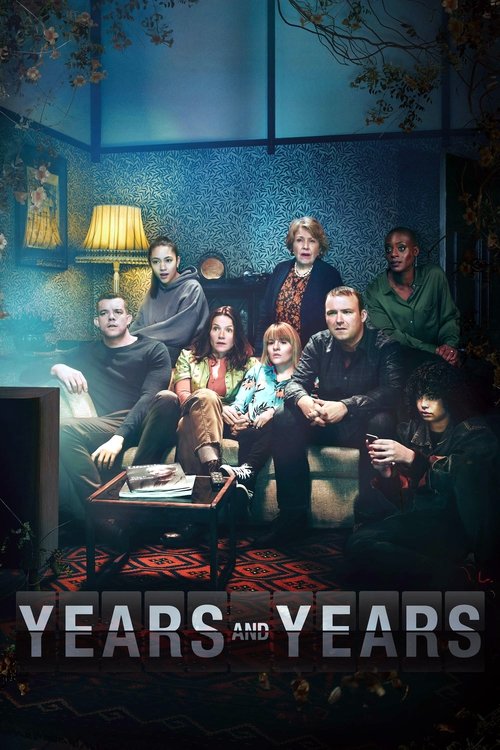
The story begins in 2019 with the Lyons family, consisting of parents Stephen and Celeste, their three children - the ambitious and politically engaged daughter, Bethany, the sensitive and artistic son, Daniel, and the youngest daughter, Ruby. The family gathers for a dinner at Stephen and Celeste's home in Manchester, where they discuss the state of the world, including political tensions and the rise of populism. Stephen, a financial advisor, is optimistic about the future, while Celeste is more cautious. The family dynamic is established, showcasing their differing views on politics and the future.
As the dinner progresses, the family watches a news report about a controversial politician, Vivienne Rook, who is gaining popularity for her radical views. Rook's speech is filled with inflammatory rhetoric, and her rise to power is met with mixed reactions from the family. Bethany is particularly intrigued by Rook's ideas, while Daniel expresses concern about the implications of her policies. The scene sets the stage for the political turmoil that will unfold throughout the series.
In the following weeks, Vivienne Rook becomes a prominent figure in British politics, and her party gains traction. The Lyons family continues to navigate their personal lives against the backdrop of Rook's increasing influence. Stephen is preoccupied with his job and the financial implications of the changing political landscape, while Celeste struggles with her own insecurities and the challenges of raising her children in a volatile environment.
As the story progresses, a significant event occurs: a terrorist attack in London, which is attributed to a group of extremists. The attack shakes the nation and leads to heightened security measures and a surge in anti-immigrant sentiment. The Lyons family is directly affected when Daniel's boyfriend, who is of Middle Eastern descent, faces discrimination and hostility. This event deepens the family's divisions, as Bethany becomes more radicalized in her support for Rook, while Stephen and Celeste worry about the implications of such ideologies.
In the aftermath of the attack, Vivienne Rook capitalizes on the fear and uncertainty, proposing draconian measures to combat terrorism. The Lyons family grapples with their differing responses to the crisis. Stephen becomes increasingly disillusioned with Rook's policies, while Bethany becomes more entrenched in her support for her. Tensions rise within the family as they struggle to reconcile their beliefs and values.
As the political climate continues to deteriorate, Rook's party wins the general election, and she becomes the Prime Minister. The Lyons family is forced to confront the reality of living under her leadership. Rook's government implements controversial policies, including the deportation of immigrants and increased surveillance. The family members react differently to these changes, with Bethany feeling empowered by Rook's leadership, while Stephen and Celeste feel a growing sense of dread.
In a pivotal moment, Daniel's boyfriend is targeted by the government, leading to a confrontation that exposes the dangers of Rook's regime. The family rallies around Daniel, but the incident further strains their relationships. Stephen and Celeste are horrified by the implications of Rook's policies, while Bethany remains steadfast in her support for the Prime Minister. The emotional stakes rise as the family grapples with their loyalty to one another versus their political beliefs.
As the series progresses, the Lyons family faces personal tragedies that mirror the political upheaval. Celeste's health deteriorates, and she is diagnosed with a serious illness. This revelation forces the family to confront their fears and vulnerabilities. Stephen becomes increasingly protective of Celeste, while Bethany's political ambitions grow, leading her to make choices that alienate her from her family.
In a climactic sequence, the family is brought together for a final confrontation. Tensions reach a boiling point as they discuss their differing views on Rook and the future of the country. The emotional fallout from their discussions leads to a rift, with Bethany feeling betrayed by her family's lack of support for her beliefs. The family is left fractured, struggling to find common ground in a world that feels increasingly hostile.
The series concludes with a sense of uncertainty and foreboding. The Lyons family is left to navigate their fractured relationships against the backdrop of a society that is rapidly changing. The final scenes depict the personal and political consequences of their choices, leaving the audience with a haunting sense of the future that awaits them.




What is the ending?
In the ending of "Years and Years," the story culminates in a tense and emotional climax. The family faces the consequences of their choices and the political turmoil surrounding them. The fate of each character is revealed, showcasing the impact of the changing world on their lives.
As the series progresses, we see the Lyons family grappling with the fallout of their decisions. The final scenes depict the family members in various states of despair and resilience, ultimately leading to a tragic conclusion for some.
The final episode opens with a sense of foreboding as the Lyons family continues to navigate the increasingly dystopian landscape of their world. The political climate has deteriorated, with the rise of a populist leader, Vivienne Rook, who has taken drastic measures to maintain control. The family is divided, with each member responding differently to the chaos around them.
In the first scene, we find Stephen, who has been deeply affected by the political changes and the loss of his job. He is struggling to provide for his family and is increasingly disillusioned with the state of the world. His internal conflict is palpable as he grapples with feelings of helplessness and anger.
Meanwhile, his sister, Edith, has become more radicalized, believing that the only way to effect change is through direct action. She is seen organizing protests and rallies, driven by a sense of urgency to fight against the oppressive regime. Her passion is evident, but it also puts her at risk, creating tension within the family as they worry for her safety.
As the episode progresses, we witness the family's interactions during a tense dinner scene. The atmosphere is thick with unspoken fears and frustrations. The characters express their differing views on how to respond to the political situation, highlighting the rifts that have formed between them. The emotional stakes are high, and the dialogue is charged with urgency as they confront their differing ideologies.
In a pivotal moment, the family learns of a tragic event that has occurred in their community, further escalating their fears. The news of violence and unrest serves as a catalyst for their actions, pushing them to confront the reality of their situation. The weight of their choices becomes increasingly heavy, and the emotional toll is evident on each character's face.
As the climax approaches, we see the family members making desperate decisions. Stephen, feeling cornered, takes a drastic step that leads to a heartbreaking outcome. His actions are driven by a mix of fear for his family's safety and a desire to protect them, but they ultimately lead to devastating consequences.
In the final scenes, the family is left to grapple with the aftermath of their choices. The emotional fallout is palpable as they confront the loss and the reality of their fractured relationships. Each character is left to reflect on their journey, with some finding a sense of resilience while others are consumed by despair.
The series concludes with a haunting image of the family, now irrevocably changed by the events that have unfolded. The fate of each character is sealed in a moment of silence, leaving viewers to ponder the implications of their choices and the world they inhabit. The ending serves as a poignant reminder of the fragility of human connections in the face of overwhelming societal change.
Is there a post-credit scene?
In "Years and Years," there is no post-credit scene following the final episode of the miniseries. The narrative concludes with a powerful and emotional resolution that encapsulates the themes of the series, focusing on the future of the Lyons family amidst a rapidly changing world. The ending leaves viewers with a poignant sense of uncertainty and reflection on the choices made by the characters throughout the series, but it does not include any additional scenes or content after the credits. The focus remains on the main storyline and the implications of the events that have unfolded, emphasizing the impact of technology, politics, and personal relationships in shaping their lives.
What happens to the character of Stephen Lyons throughout the series?
Stephen Lyons, portrayed by Rory Kinnear, experiences significant personal and professional turmoil throughout the series. Initially, he is a successful financial advisor, but as the political landscape shifts dramatically, he faces job insecurity and moral dilemmas. His relationship with his family becomes strained, particularly with his sister, as they navigate the changing world. Stephen's internal conflict grows as he grapples with the implications of his work and the impact of societal changes on his loved ones.
How does the character of Celeste impact the Lyons family?
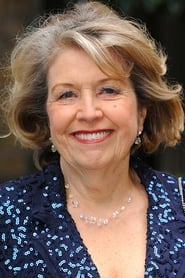
Celeste, played by Anne Reid, is the matriarch of the Lyons family. Her character serves as a grounding force amidst the chaos of the changing world. As the series progresses, her health deteriorates, which adds emotional weight to the family dynamics. Celeste's wisdom and perspective often guide her children, particularly as they face their own challenges. Her relationship with her grandchildren highlights the generational divide and differing views on the future.
What role does the character of Viktor play in the story?
Viktor, a refugee from Ukraine, becomes a pivotal character in the Lyons family's narrative. His arrival introduces themes of immigration and the human cost of political decisions. Viktor's relationship with the family, especially with the younger members, showcases the complexities of empathy and the struggle for acceptance. His character arc reflects the broader societal issues of displacement and the personal stories behind the headlines.
How does the political climate affect the character of Edith Lyons?
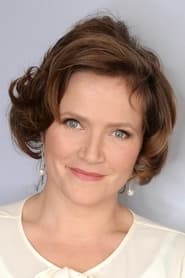
Edith Lyons, portrayed by Jessica Brown Findlay, is deeply affected by the political climate as she becomes increasingly involved in activism. Her character evolves from a more passive role to one of vocal opposition against the government's policies. Edith's motivations stem from her desire to create a better future for her children and to stand against the injustices she witnesses. Her journey reflects the tension between personal beliefs and the harsh realities of the world around her.
What is the significance of the character of Daniel Lyons in the family dynamics?
Daniel Lyons, played by Ruth Bradley, is a key figure in the family, representing the younger generation's struggles and aspirations. His character grapples with identity and purpose, particularly in the face of societal upheaval. Daniel's relationships with his siblings and parents reveal the complexities of familial love and conflict. His journey is marked by a search for belonging and understanding in a rapidly changing world, making him a relatable figure for viewers.
Is this family friendly?
"Years and Years" is a thought-provoking miniseries that explores complex themes and societal issues, which may not be suitable for younger audiences or sensitive viewers. Here are some potentially objectionable or upsetting aspects:
-
Political Turmoil: The series depicts a dystopian future with political instability, including the rise of a controversial political figure, which may be distressing for some viewers.
-
Violence and Conflict: There are scenes that involve violence, including protests and riots, which can be intense and unsettling.
-
Family Struggles: The show delves into personal and familial conflicts, including themes of loss, grief, and the impact of societal changes on family dynamics.
-
Discrimination and Prejudice: The narrative touches on issues of discrimination, xenophobia, and societal division, which may be challenging for younger viewers to process.
-
Mental Health: Characters experience significant emotional distress, including anxiety and depression, which may resonate deeply with sensitive audiences.
-
Death and Loss: The series addresses themes of mortality and the impact of loss on individuals and families, which can be heavy and emotional.
These elements contribute to the overall tone of the series, making it more suitable for mature audiences.









