










Loading additional questions...
Popular
What is the significance of Gilgamesh's character in the story?
How does the relationship between Ritsuka and Mash develop throughout the specials?
What role does Enkidu play in the narrative, and how does it affect Gilgamesh?
What are the key challenges faced by the characters in the specials?
How does the theme of sacrifice manifest in the specials?
Should I watch it?
Ask Your Own Question

What is the plot?
Related Titles
Browse All Titles →


What is the ending?
Is there a post-credit scene?
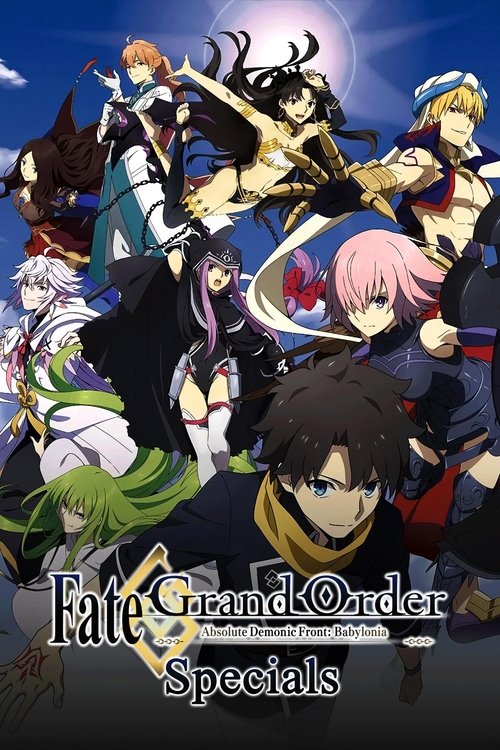
What is the significance of Gilgamesh's character in the story?
Gilgamesh, the King of Heroes, plays a pivotal role in 'Fate/Grand Order: Absolute Demonic Front: Babylonia.' His character embodies the themes of pride and heroism, as he grapples with his identity and the weight of his legacy. Throughout the series, he displays a complex mix of arrogance and vulnerability, particularly in his interactions with other characters like Mash and Ritsuka. His motivations are deeply tied to his desire to protect Uruk and its people, showcasing a more nuanced side to his otherwise aloof demeanor.
How does the relationship between Ritsuka and Mash develop throughout the specials?
In the specials, the bond between Ritsuka and Mash deepens significantly. Their relationship is characterized by mutual trust and support, as they face various challenges together. Ritsuka often acts as a source of encouragement for Mash, who struggles with her own insecurities and the weight of her role as a Servant. The emotional stakes are heightened during moments of danger, where their reliance on each other is tested, ultimately solidifying their partnership and friendship.
What role does Enkidu play in the narrative, and how does it affect Gilgamesh?
Enkidu serves as a crucial figure in the narrative, representing both a friend and a counterbalance to Gilgamesh's character. Their relationship is steeped in themes of companionship and sacrifice. Enkidu's presence challenges Gilgamesh to confront his own flaws and the consequences of his actions. As the story unfolds, Enkidu's fate becomes a catalyst for Gilgamesh's emotional turmoil, pushing him to reevaluate his priorities and the meaning of true heroism.
What are the key challenges faced by the characters in the specials?
The characters face numerous challenges in the specials, including battles against formidable foes like the Beast and the looming threat of the demonic front. Each challenge tests their resolve and forces them to confront their fears and insecurities. The emotional weight of these battles is palpable, as characters like Mash and Ritsuka must navigate their own vulnerabilities while striving to protect Uruk. The stakes are raised with each encounter, leading to moments of intense action and character development.
How does the theme of sacrifice manifest in the specials?
Sacrifice is a recurring theme in the specials, illustrated through the characters' willingness to put themselves on the line for the greater good. Moments of selflessness are highlighted, particularly in the actions of Mash and Enkidu, who both grapple with their identities and the implications of their choices. The emotional impact of these sacrifices resonates deeply, as characters reflect on what they are willing to give up to protect their loved ones and their ideals, ultimately shaping their arcs and the narrative's progression.