













Popular
What challenges does Lena face in her relationship with Henri in Season 2?
How does the arrival of new characters impact the dynamics at the ballet school?
What role does the time portal play in Lena's journey during Season 2?
How does Lena's friendship with her fellow ballet students evolve in Season 2?
What personal growth does Lena experience throughout Season 2?
Should I watch it?
Ask Your Own Question

What is the plot?
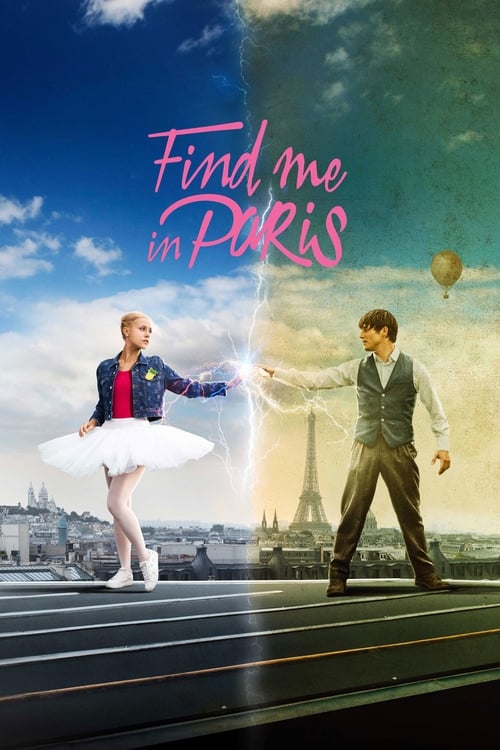
In the opening of Season 2 of "Find Me in Paris," we find Lena Grisky, a young ballet dancer from the 1900s who has time-traveled to modern-day Paris, grappling with the consequences of her actions from the previous season. Lena is still adjusting to life in the 21st century while trying to maintain her connection to her friends and her passion for dance. The season begins with Lena feeling the weight of her secret about being a time traveler, which creates tension in her relationships, particularly with her best friend, Henri.
As the story unfolds, Lena's relationship with Henri deepens, but she struggles with her feelings for him, knowing that she must eventually return to her own time. Meanwhile, the other students at the ballet school, including the ambitious and competitive Max, are also dealing with their own challenges. Max is determined to prove himself and win the lead role in the upcoming ballet performance, which adds pressure to the already competitive environment.
A significant plot point occurs when Lena discovers that the portal that brought her to the present is unstable. This revelation heightens her anxiety about returning to her time, especially as she begins to form deeper connections with her friends in the present. Lena's internal conflict intensifies as she weighs her desire to stay in the modern world against her responsibilities and the life she left behind.
In a pivotal scene, Lena attends a party with her friends, where she is confronted by the reality of her situation. During the party, she overhears a conversation that reveals the existence of a time-traveling organization that is aware of her presence in the modern world. This organization poses a threat to her safety and the safety of her friends, prompting Lena to take action to protect them.
As the season progresses, Lena's relationship with Henri becomes more complicated when she learns that he has feelings for her. This revelation leads to a series of emotional confrontations between them, where Lena must confront her own feelings and the implications of her time travel. Henri's determination to be with Lena pushes him to take risks, including defying the rules of the ballet school.
The tension escalates when Lena's time-traveling abilities are discovered by the school's director, who becomes suspicious of her behavior. This leads to a confrontation where Lena must prove her worth as a dancer while also keeping her secret safe. The stakes are raised as the director threatens to expel her if she cannot demonstrate her commitment to the ballet program.
In a dramatic twist, Lena's friends band together to help her navigate the challenges posed by the director and the time-traveling organization. They devise a plan to distract the director while Lena prepares for an important audition that could secure her future at the ballet school. This sequence showcases the strength of their friendship and their willingness to support Lena, despite the risks involved.
As the audition approaches, Lena faces her fears and doubts about her abilities. She channels her emotions into her performance, which captivates the judges and earns her a place in the lead role. However, the victory is bittersweet as Lena realizes that her time in the present is limited, and she must soon make a choice about her future.
The climax of the season occurs when Lena is confronted by members of the time-traveling organization, who demand that she return to her own time. In a tense standoff, Lena must choose between her friends and her past. The confrontation escalates into a physical struggle, with Lena using her ballet skills to evade capture. This sequence is filled with high-stakes action as Lena navigates through the ballet school, showcasing her agility and determination.
In the final episodes, Lena's decision becomes clear as she prepares to return to her time. She shares heartfelt goodbyes with her friends, particularly Henri, who expresses his love for her. The emotional weight of their farewell is palpable, as both characters grapple with the reality of their separation. Lena steps through the portal, leaving behind the life she has built in the modern world.
The season concludes with a sense of uncertainty as Lena re-enters her own time, leaving viewers to ponder the implications of her journey and the impact it will have on her future. The final scene hints at the possibility of new adventures, as Lena looks back at the portal, a mix of hope and sadness in her eyes.







What is the ending?
In the ending of "Find Me in Paris" Season 2, Lena is faced with a choice between staying in the present or returning to the past. After a series of emotional confrontations and revelations, she ultimately decides to embrace her life in the present, leading to a heartfelt reunion with her friends and a new understanding of her identity.
As the final episodes unfold, the tension builds around Lena's struggle with her time-traveling abilities and her relationships with her friends and love interests. The climax occurs during a pivotal moment at the Palais Garnier, where Lena must confront her feelings for Henri and her loyalty to her friends. The season concludes with Lena choosing to remain in the present, solidifying her bonds with her friends and accepting her new life.
Now, let's delve into the ending in a more detailed, chronological narrative.
The final episodes of Season 2 begin with Lena grappling with the consequences of her time-traveling adventures. She feels torn between her life in the present and the allure of returning to the past, where she had a different set of experiences and relationships. The emotional weight of her decision is palpable as she navigates her friendships with her fellow students at the ballet school.
In a pivotal scene, Lena meets with Henri, who has been a significant part of her journey. Their conversation is charged with unspoken feelings and unresolved tension. Henri expresses his desire for Lena to stay, revealing his deep affection for her. Lena, however, is conflicted; she knows that her heart is still tied to her friends and the life she has built in the present. This moment is filled with longing and uncertainty, as both characters confront their feelings.
As the story progresses, Lena's friends rally around her, sensing her internal struggle. They organize a surprise gathering at the Palais Garnier, hoping to remind her of the joy and love that exists in her current life. The atmosphere is vibrant, filled with laughter and music, contrasting sharply with Lena's inner turmoil. Each friend shares their own experiences and challenges, reinforcing the theme of friendship and support.
In a climactic moment, Lena stands on the stage of the Palais Garnier, surrounded by her friends. The lights dim, and she reflects on her journey, the friendships she has forged, and the love she has received. It is here that she realizes the importance of living in the moment and embracing her present life. The emotional crescendo builds as she makes her decision.
With tears in her eyes, Lena chooses to stay in the present. This decision is met with cheers and support from her friends, who have been her anchor throughout her journey. The scene is filled with warmth and acceptance, showcasing the strength of their bond. Lena's choice symbolizes her growth and acceptance of her identity, as she embraces the life she has created with her friends.
As the season concludes, we see each character's fate unfold. Lena, now fully committed to her life in Paris, continues her ballet training, surrounded by her supportive friends. Henri, while heartbroken, respects her decision and remains a close friend, hinting at the possibility of a future relationship. The other characters, including the supportive friends and fellow dancers, find their own paths, each reflecting the themes of growth and acceptance.
The final moments of the season capture a sense of hope and new beginnings, as Lena and her friends look forward to the future together, united by their shared experiences and the bonds they have formed. The screen fades to black, leaving viewers with a sense of closure and the promise of new adventures ahead.
Is there a post-credit scene?
In Season 2 of "Find Me in Paris," there is no post-credit scene. The season concludes with a focus on the characters' emotional journeys and the resolution of their arcs, particularly highlighting the relationships and challenges they face. The final moments of the season wrap up the storylines without any additional scenes after the credits, leaving viewers with a sense of closure regarding the events that transpired throughout the season.
What challenges does Lena face in her relationship with Henri in Season 2?
In Season 2, Lena grapples with the complexities of her relationship with Henri, especially as she navigates the pressures of being a time-traveling ballet student. Their bond is tested by misunderstandings and the strain of Lena's secret life, which Henri is unaware of. Lena's internal conflict grows as she tries to balance her feelings for Henri with her responsibilities and the dangers of her time travel.
How does the arrival of new characters impact the dynamics at the ballet school?
The introduction of new characters, such as the ambitious and competitive ballet student, creates tension and rivalry within the ballet school. These characters challenge Lena and her friends, forcing them to confront their insecurities and push their limits. The new dynamics lead to both conflict and growth, as Lena must learn to assert herself and navigate the shifting relationships.
What role does the time portal play in Lena's journey during Season 2?
The time portal remains a central element in Lena's journey throughout Season 2. It serves as both a means of escape and a source of danger, as Lena must carefully manage her time travel to avoid altering the past. The portal's unpredictability adds tension to her story, as she faces the consequences of her actions and the risk of being trapped in the wrong time.
How does Lena's friendship with her fellow ballet students evolve in Season 2?
Lena's friendships with her fellow ballet students deepen and become more complex in Season 2. As they face challenges together, including competitions and personal struggles, their bonds are tested. Lena learns the importance of trust and support, and her relationships with characters like Max and the other girls shift as they navigate jealousy, ambition, and loyalty.
What personal growth does Lena experience throughout Season 2?
Throughout Season 2, Lena undergoes significant personal growth as she learns to embrace her identity and the responsibilities that come with her time-traveling abilities. She becomes more confident in her ballet skills and her relationships, facing her fears and insecurities head-on. This journey of self-discovery is marked by moments of triumph and vulnerability, ultimately shaping her into a more resilient character.
Is this family friendly?
"Find Me in Paris" Season 2 is generally considered family-friendly, but there are a few elements that might be potentially objectionable or upsetting for children or sensitive viewers.
-
Romantic Tensions: The series features various romantic relationships and love triangles that may include jealousy and heartbreak, which could be emotionally intense for younger viewers.
-
Friendship Conflicts: There are moments of conflict between friends that can lead to feelings of betrayal or sadness, which might resonate deeply with sensitive audiences.
-
Time Travel Consequences: The concept of time travel introduces themes of loss and the fear of change, which could be unsettling for some viewers, especially when characters face the consequences of their actions.
-
Parental Relationships: Some characters deal with complicated family dynamics, including misunderstandings and emotional distance, which may evoke feelings of discomfort.
-
Competition and Rivalry: The competitive atmosphere at the ballet school can lead to stress and anxiety among characters, which might be distressing for viewers who are sensitive to themes of pressure and failure.
Overall, while the show maintains a light-hearted tone, these elements could be worth noting for parents or guardians considering it for younger audiences.