













Popular
What motivates David Stirling to form the SAS?
How does the character of Jock Lewes contribute to the SAS's early operations?
What challenges does the SAS face during their first missions?
How does the relationship between Stirling and his superiors evolve throughout the series?
What role does the character of Paddy Mayne play in the SAS's development?
Should I watch it?
Ask Your Own Question

What is the plot?
In the opening scenes of "SAS Rogue Heroes," we are introduced to the backdrop of World War II, specifically the North African campaign. The narrative begins with a chaotic depiction of the British Army's struggles against the Axis forces. We see soldiers in disarray, highlighting the dire situation they find themselves in. Among them is David Stirling, a charismatic and determined officer who is frustrated by the conventional tactics being employed. He believes that a more unconventional approach is necessary to combat the enemy effectively.
Stirling's frustration leads him to propose the idea of forming a special unit that can conduct raids behind enemy lines. He pitches this concept to his superiors, but they are skeptical and dismissive of his ideas. Stirling's determination does not wane, and he continues to seek support for his vision. He eventually meets with Lieutenant Colonel Dudley Clarke, who sees potential in Stirling's unconventional approach and agrees to help him establish the unit.
As Stirling begins to assemble his team, we are introduced to several key characters, including Jock Lewes and Paddy Mayne. Each of these men has their own motivations for joining the unit, driven by a mix of personal ambition, a desire for adventure, and a commitment to the war effort. The camaraderie among the group begins to form as they share their stories and experiences, setting the stage for the bond that will develop as they face the challenges ahead.
The first major operation is planned, and the team sets out to execute a raid on an enemy airfield. The tension is palpable as they prepare for the mission, with each member grappling with their fears and uncertainties. The operation begins with a stealthy approach, but things quickly go awry when they encounter unexpected enemy patrols. A fierce firefight ensues, and the team must adapt on the fly. Stirling's leadership is tested as he makes quick decisions to regroup and push forward despite the chaos.
During the raid, the team successfully destroys several enemy aircraft, but they suffer casualties and are forced to retreat under heavy fire. The emotional toll of the mission weighs heavily on the team, particularly on Stirling, who feels responsible for the lives of his men. This experience solidifies their resolve to continue their fight, and they return to base with a mix of triumph and grief.
As the series progresses, the team undertakes more daring missions, each more dangerous than the last. They face numerous challenges, including betrayal from within and the constant threat of capture or death. Stirling's leadership style evolves as he learns to balance the risks of their operations with the need to keep morale high among his men. The bond between the team members deepens, and they begin to operate with a level of trust and understanding that is crucial for their survival.
One pivotal moment occurs when they are tasked with a mission to sabotage a German supply line. The operation is fraught with danger, and the team must navigate through enemy territory while avoiding detection. They employ clever tactics, using deception and speed to outmaneuver the enemy. However, they encounter a significant setback when one of their own is captured during the mission. This event forces the team to confront the harsh realities of war and the sacrifices they must make.
As the season progresses, the stakes continue to rise. The team faces internal conflicts as personal motivations clash with the collective goal. Stirling's vision for the unit becomes clearer, and he begins to see the potential for the SAS to become a legendary force in the war. The series delves into the personal lives of the characters, revealing their struggles and the impact of the war on their relationships.
In the climactic finale, the team embarks on a high-stakes mission that could turn the tide of the war. They plan an audacious raid on a heavily fortified enemy position, knowing that failure could mean the end of the SAS. The operation is meticulously planned, but as they execute it, they encounter unforeseen obstacles that test their resolve and ingenuity. The action is intense, with close-quarters combat and strategic maneuvers that showcase their training and teamwork.
Ultimately, the mission is a success, but not without significant losses. The emotional weight of their experiences culminates in a poignant moment of reflection as the surviving members grapple with the cost of their victories. The season concludes with a sense of both triumph and sorrow, setting the stage for the ongoing legacy of the SAS and the impact of their actions on the war.


What is the ending?
At the end of SAS Rogue Heroes, season 1, the story culminates in a series of intense and emotional moments as the SAS team faces the realities of war. The characters grapple with loss, sacrifice, and the impact of their actions. The season concludes with a sense of camaraderie among the surviving members, but also a poignant acknowledgment of the cost of their mission.
As the final episodes unfold, the SAS team, led by David Stirling, embarks on a daring mission against Axis forces in North Africa. The stakes are high, and the tension is palpable as they execute their plans with precision and bravery. However, the toll of war becomes evident as they encounter fierce resistance and suffer significant losses.
In a climactic scene, the team executes a bold raid, showcasing their ingenuity and determination. The action is frenetic, with explosions and gunfire illuminating the night. Stirling's leadership shines through as he navigates the chaos, rallying his men and pushing them to their limits. Yet, amidst the triumph, the emotional weight of their sacrifices looms large.
As the dust settles, the surviving members of the SAS reflect on their journey. They share moments of camaraderie, but the losses they have endured weigh heavily on them. Each character is left to confront their own demons, with Stirling grappling with the burden of leadership and the lives lost under his command.
The season concludes with a bittersweet sense of hope. The SAS has proven their mettle, but the cost of their victories is a stark reminder of the harsh realities of war. The bonds forged in battle remain strong, but the scars of conflict linger, setting the stage for future challenges.
In summary, the ending of SAS Rogue Heroes encapsulates the complexities of war, the strength of brotherhood, and the enduring impact of sacrifice.
As the final episodes of SAS Rogue Heroes unfold, the tension escalates dramatically. The SAS team, under the leadership of David Stirling, prepares for a high-stakes mission against the Axis forces in North Africa. The atmosphere is charged with anticipation as the men gather, their faces a mix of determination and anxiety. Stirling, embodying both confidence and vulnerability, addresses his team, instilling a sense of purpose and camaraderie among them.
The mission begins with a meticulously planned raid on an enemy supply line. The scene is set under the cover of darkness, with the moon casting an eerie glow over the desert landscape. The SAS vehicles, rugged and battle-worn, rumble forward, kicking up clouds of dust. As they approach their target, the tension is palpable; the men exchange glances, silently acknowledging the risks ahead.
As the raid commences, chaos erupts. Gunfire erupts from the enemy positions, and the SAS soldiers respond with precision and bravery. The camera captures the frantic energy of the battle, with explosions lighting up the night sky. Stirling moves through the chaos, his leadership evident as he directs his men, urging them to push forward despite the overwhelming odds.
In the midst of the action, the emotional stakes rise. The camera lingers on the faces of the soldiers, revealing their fear, determination, and the weight of their mission. As they engage in fierce combat, the losses begin to mount. One by one, the team members face the harsh reality of war, and the emotional toll becomes increasingly evident.
As the mission reaches its climax, the SAS team successfully disrupts the enemy supply line, but not without significant cost. The aftermath of the raid is somber; the surviving members gather, their expressions a mix of relief and grief. Stirling stands among them, grappling with the burden of leadership and the lives lost under his command. The camaraderie that has been forged in battle is palpable, yet the emotional scars of their experiences linger.
In the final moments of the season, the surviving members of the SAS reflect on their journey. They share stories of their fallen comrades, honoring their sacrifices while acknowledging the harsh realities of their mission. Stirling, burdened yet resolute, vows to continue the fight, embodying the spirit of resilience that defines the SAS.
The season concludes with a poignant sense of hope amidst the darkness. The bonds forged in battle remain strong, but the cost of their victories serves as a stark reminder of the sacrifices made. As the camera pulls away, the desert landscape stretches out before them, symbolizing both the challenges ahead and the enduring spirit of the SAS. The characters, forever changed by their experiences, stand united, ready to face whatever comes next.
Is there a post-credit scene?
In "SAS Rogue Heroes," Season 1, there is no post-credit scene. The series concludes its episodes without additional content after the credits, focusing instead on the narrative and character arcs throughout the main episodes. The storytelling is tightly woven, emphasizing the formation and early exploits of the SAS during World War II, leaving viewers with a sense of closure at the end of each episode.
What motivates David Stirling to form the SAS?
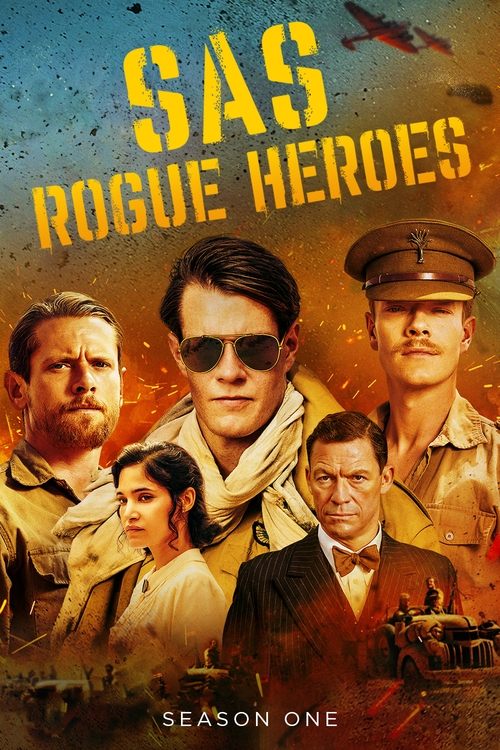
David Stirling, portrayed by Connor Swindells, is driven by a desire to create a more effective fighting force during World War II. Frustrated by the traditional military strategies that seem ineffective against the Axis powers, he is determined to innovate and take bold risks. His personal experiences and the loss of friends in battle fuel his passion for forming a unit that can operate behind enemy lines, leading to the creation of the SAS.
How does the character of Jock Lewes contribute to the SAS's early operations?
Jock Lewes, played by Jack O'Connell, is a key figure in the early operations of the SAS. His adventurous spirit and military expertise complement Stirling's vision. Lewes is instrumental in developing the tactics and training that define the SAS, including the use of unconventional warfare. His camaraderie with Stirling and his willingness to embrace danger highlight his commitment to the cause, making him a pivotal character in the unit's formation.
What challenges does the SAS face during their first missions?
During their initial missions, the SAS faces numerous challenges, including logistical issues, lack of resources, and the skepticism of higher command. The team struggles with the harsh realities of desert warfare, including extreme weather conditions and the need for stealth in enemy territory. These challenges test their resolve and adaptability, forcing them to innovate on the fly and rely on each other's strengths to survive and succeed.
How does the relationship between Stirling and his superiors evolve throughout the series?
Stirling's relationship with his superiors is fraught with tension as he often clashes with traditional military leaders who doubt his unconventional methods. Initially, he faces significant pushback and skepticism, but as the SAS begins to achieve remarkable successes, some superiors start to recognize the value of his approach. This evolution reflects Stirling's growing confidence and the gradual acceptance of the SAS's role in the war, showcasing the struggle between innovation and tradition.
What role does the character of Paddy Mayne play in the SAS's development?
Paddy Mayne, portrayed by Dominic West, is a larger-than-life character whose fierce determination and combat skills significantly impact the SAS's development. He embodies the spirit of the unit, pushing boundaries and inspiring his comrades with his bravery. Mayne's leadership and tactical insights help shape the SAS's operational strategies, and his complex personality adds depth to the narrative, illustrating the personal sacrifices and moral dilemmas faced by those in wartime.
Is this family friendly?
"SAS Rogue Heroes" is a gritty portrayal of the formation of the Special Air Service during World War II, and it contains several elements that may not be suitable for children or sensitive viewers. Here are some potentially objectionable aspects:
-
Violence and Warfare: The series depicts intense combat scenes, including gunfire, explosions, and the aftermath of battles, which may be graphic and distressing.
-
Death and Injury: Characters experience significant physical harm, and there are scenes showing the consequences of war, including injuries and fatalities.
-
Strong Language: The dialogue includes frequent use of strong language, which may not be appropriate for younger audiences.
-
Mature Themes: The show explores themes of betrayal, loss, and the psychological toll of war, which may be heavy for younger viewers to process.
-
Alcohol and Substance Use: Characters are shown consuming alcohol and engaging in reckless behavior, which may not be suitable for children.
-
Emotional Turmoil: The characters grapple with trauma, loss, and moral dilemmas, which could be upsetting for sensitive viewers.
Overall, while the series is a historical drama with significant storytelling, its mature content may not be family-friendly.