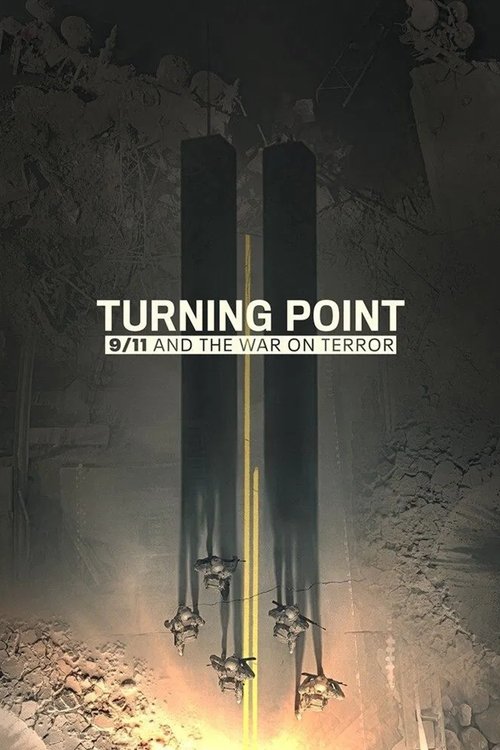


Popular
What specific events led to the decision to invade Afghanistan after 9/11?
How does the documentary portray the impact of the 9/11 attacks on first responders?
What role did the intelligence community play in the events leading up to 9/11?
How does the series depict the personal stories of those who lost loved ones in the attacks?
What specific strategies were discussed regarding the U.S. military's approach to combating terrorism post-9/11?
Should I watch it?
Ask Your Own Question

What is the plot?
"Turning Point: 9/11 and the War on Terror" begins with a detailed recounting of the events leading up to September 11, 2001. The narrative sets the stage by exploring the rise of al-Qaeda and the motivations behind its leader, Osama bin Laden. Through interviews and archival footage, viewers are introduced to the ideological underpinnings of the terrorist organization, highlighting bin Laden's grievances against the United States, particularly its military presence in the Middle East and support for Israel.
As the story progresses, the documentary shifts to the morning of September 11, 2001. The scene is tense as the camera captures the normalcy of life in New York City and Washington, D.C. Suddenly, chaos erupts when American Airlines Flight 11 crashes into the North Tower of the World Trade Center at 8:46 AM. The impact is catastrophic, and the documentary uses real footage and eyewitness accounts to convey the horror and confusion that ensues. People in the streets look up in disbelief, while those inside the building struggle to comprehend the situation.
At 9:03 AM, United Airlines Flight 175 strikes the South Tower, confirming the fears of a coordinated attack. The documentary captures the panic as people begin to evacuate the buildings. Emergency responders rush to the scene, and the film highlights their bravery and the immediate chaos as they attempt to save those trapped inside. The emotional weight of the moment is palpable, with interviews from survivors and first responders detailing their experiences and the harrowing decisions they had to make.
The narrative then shifts to the Pentagon, where at 9:37 AM, American Airlines Flight 77 crashes into the western side of the building. The documentary illustrates the devastation caused by the impact, showing the destruction and the immediate response from military personnel and emergency services. The film emphasizes the scale of the attack and the realization that the nation is under siege.
At 10:03 AM, United Airlines Flight 93 is hijacked, but passengers on board learn of the other attacks through phone calls. The documentary portrays the courageous decision-making of the passengers, who decide to fight back against the hijackers. The struggle is intense, and the film details the final moments of the flight as it crashes into a field in Pennsylvania, preventing further destruction.
As the towers begin to collapse, the documentary captures the horror of the moment. The South Tower falls at 9:59 AM, followed by the North Tower at 10:28 AM. The film uses a mix of real-time footage and personal testimonies to convey the shock and devastation felt across the nation. The emotional toll on survivors, families, and first responders is explored in depth, showcasing the immediate aftermath and the search for loved ones.
In the days following the attacks, the documentary delves into the U.S. government's response. It highlights President George W. Bush's address to the nation and the declaration of a "War on Terror." The film examines the decision-making process within the government, including the establishment of the Department of Homeland Security and the implementation of the USA PATRIOT Act.
The narrative then transitions to the invasion of Afghanistan, where the U.S. seeks to dismantle al-Qaeda and remove the Taliban from power. The documentary details the military strategies employed, including airstrikes and ground operations, while also focusing on the human cost of the war. Interviews with soldiers and Afghan civilians provide insight into the complexities of the conflict and the challenges faced by U.S. forces.
As the war progresses, the film addresses the broader implications of the War on Terror, including the rise of ISIS and the ongoing conflicts in the Middle East. The documentary highlights the shifting landscape of global terrorism and the challenges of combating extremist ideologies.
The final sequences of the documentary reflect on the long-term effects of 9/11 on American society, including the impact on civil liberties, the rise of Islamophobia, and the ongoing military engagements abroad. The emotional weight of the narrative culminates in a poignant reminder of the lives lost and the resilience of those who continue to fight for justice and peace in the aftermath of the attacks.
More TV Shows Like This
Browse All TV Shows →





What is the ending?
The ending of "Turning Point: 9/11 and the War on Terror" reflects on the long-lasting impact of the September 11 attacks and the subsequent War on Terror. It emphasizes the personal stories of those affected, the ongoing struggles faced by veterans, and the complex legacy of the events that unfolded. The series concludes with a somber acknowledgment of the lives lost and the enduring consequences of the decisions made in the aftermath of 9/11.
As the final episodes unfold, the narrative begins with a montage of images from the aftermath of the September 11 attacks. The screen fills with scenes of destruction, chaos, and the immediate response from first responders. The emotional weight of the tragedy is palpable, as families are shown mourning their loved ones, and survivors recount their harrowing experiences. The camera lingers on the faces of those who lost family members, capturing their grief and anger, setting the tone for the reflections that follow.
Transitioning to the War on Terror, the series delves into the military operations in Afghanistan and Iraq. The audience is introduced to soldiers who share their experiences on the front lines. One soldier, visibly shaken, recounts the fear and uncertainty of combat, the camaraderie with fellow troops, and the haunting memories of lost friends. The narrative captures the internal conflict of these soldiers, torn between duty and the moral implications of their actions. The emotional toll is evident as they grapple with PTSD and the challenges of reintegration into civilian life.
As the series progresses, it highlights the political decisions made in the wake of 9/11. Key figures in the government are shown discussing strategies and justifying military actions. The tension in these scenes is palpable, as the weight of their choices looms large. The audience witnesses the complexities of leadership during a crisis, with characters expressing their motivations--some driven by a desire for justice, others by a sense of duty to protect their country.
In the concluding scenes, the narrative shifts back to the personal stories of those affected by the War on Terror. Veterans share their struggles with mental health, the impact on their families, and the difficulty of finding purpose after service. The series captures the raw emotions of these individuals, showcasing their resilience and the ongoing fight for recognition and support.
The final moments of the series bring the focus back to the families of 9/11 victims. A poignant scene features a mother visiting the memorial site, her face etched with sorrow as she reflects on the loss of her child. The camera captures her quiet strength as she lays flowers at the site, symbolizing both remembrance and the enduring pain of loss.
As the credits roll, the series leaves viewers with a sense of unresolved tension, highlighting the ongoing implications of the War on Terror. The fates of the main characters--both soldiers and civilians--are intertwined with the larger narrative of a nation grappling with its past. The emotional weight of their stories lingers, serving as a reminder of the profound impact of 9/11 and the complexities of the world that followed.
Is there a post-credit scene?
"Turning Point: 9/11 and the War on Terror," produced in 2021, does not feature a post-credit scene. The series concludes with a powerful reflection on the events surrounding September 11, 2001, and the subsequent impact on global politics, security, and personal lives. The final moments emphasize the lasting effects of the tragedy and the ongoing struggle against terrorism, leaving viewers with a sense of contemplation rather than a traditional cinematic closure. The series aims to provoke thought and discussion about the complexities of the War on Terror, rather than providing a light-hearted or conclusive ending.
What specific events led to the decision to invade Afghanistan after 9/11?
The series details the immediate aftermath of the 9/11 attacks, showcasing the urgency felt by U.S. officials. Key figures like President George W. Bush and Secretary of Defense Donald Rumsfeld are depicted grappling with the need for a swift military response. The emotional weight of the attacks drives their motivations, as they seek to prevent further terrorism and hold accountable those responsible, particularly al-Qaeda and Osama bin Laden.
How does the documentary portray the impact of the 9/11 attacks on first responders?
The series provides a poignant look at the first responders, capturing their bravery and the emotional toll of their experiences. Scenes depict firefighters and police officers rushing into the chaos of the collapsing towers, showcasing their determination and fear. Interviews reveal their internal struggles, as many grapple with survivor's guilt and the lasting physical and psychological scars from that day.
What role did the intelligence community play in the events leading up to 9/11?
The documentary delves into the failures of the intelligence community, highlighting key figures like CIA Director George Tenet. It illustrates the frustration and urgency within the agency as they piece together fragmented intelligence that could have potentially prevented the attacks. The emotional tension is palpable as agents express regret and a sense of responsibility for not connecting the dots in time.
How does the series depict the personal stories of those who lost loved ones in the attacks?
Turning Point intimately portrays the grief of families who lost loved ones on 9/11. Through interviews and personal anecdotes, the series captures the raw emotions of loss, anger, and the struggle for closure. Scenes of memorials and family gatherings highlight the ongoing impact of the tragedy, as individuals share their memories and the void left in their lives.
What specific strategies were discussed regarding the U.S. military's approach to combating terrorism post-9/11?
The series outlines various military strategies, including the initial invasion of Afghanistan and the subsequent focus on counterterrorism operations. Key military leaders, such as General Tommy Franks, are featured discussing their tactical decisions and the challenges faced in a complex and evolving battlefield. The emotional weight of these decisions is evident as they reflect on the lives lost and the moral implications of their actions.
Is this family friendly?
"Turning Point: 9/11 and the War on Terror" is a documentary series that delves into the events surrounding the September 11 attacks and the subsequent global impact. Given its subject matter, it may not be considered family-friendly for younger audiences or sensitive viewers.
Potentially objectionable or upsetting aspects include:
-
Graphic Imagery: The series includes footage and images from the September 11 attacks, which may be distressing, including scenes of destruction and chaos.
-
Emotional Testimonies: Interviews with survivors, first responders, and family members of victims convey deep emotional pain and trauma, which can be heavy and upsetting.
-
Discussion of Violence: The series addresses acts of terrorism, war, and violence, which may be disturbing for children or those sensitive to such topics.
-
Political and Social Tensions: The exploration of the aftermath of the attacks includes discussions on discrimination, fear, and the impact on various communities, which may be complex and challenging for younger viewers to understand.
-
Loss and Grief: The series highlights the profound loss experienced by many, which can evoke strong emotions and may be difficult for sensitive individuals to process.
Overall, the documentary's serious themes and graphic content make it more suitable for mature audiences.