











Popular
What are the key events that lead to Lincoln's decision to issue the Emancipation Proclamation in the series?
How does the character of Mary Todd Lincoln evolve throughout the series?
What role does Frederick Douglass play in Lincoln's journey in the series?
What are the significant challenges Lincoln faces in passing the Thirteenth Amendment?
How does the series depict Lincoln's relationship with his children?
Should I watch it?
Ask Your Own Question

What is the plot?
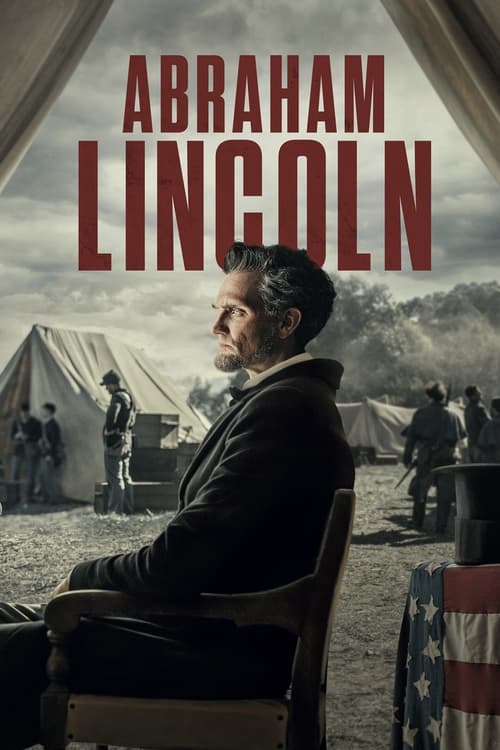
In the year 2022, the series "Abraham Lincoln" opens with a sweeping view of the American landscape during the early 19th century, setting the stage for the tumultuous era of the Civil War. The camera zooms in on a young Abraham Lincoln, portrayed as a determined and ambitious man, working as a rail-splitter in Illinois. He is shown grappling with the harsh realities of frontier life, which shapes his character and instills in him a strong sense of justice and equality. The scene establishes his humble beginnings and foreshadows his future political aspirations.
As Lincoln matures, he becomes increasingly involved in local politics. The narrative shifts to a pivotal moment where he delivers a passionate speech at a town hall meeting, advocating for the abolition of slavery. His eloquence and conviction resonate with the audience, but he faces opposition from pro-slavery factions. This moment marks the beginning of his political career, showcasing his internal struggle between his ideals and the societal norms of the time.
The series then transitions to Lincoln's election as a congressman. In Washington, D.C., he navigates the complex political landscape, forming alliances with key figures such as Frederick Douglass and William Seward. Tensions rise as the issue of slavery becomes more pronounced, leading to heated debates in Congress. Lincoln's determination to unite the nation is evident, but he is also portrayed as a man burdened by the weight of his responsibilities and the looming threat of civil war.
As the conflict escalates, the series depicts the secession of Southern states. Lincoln is shown grappling with the decision to go to war, torn between his desire for peace and the necessity of preserving the Union. In a pivotal scene, he convenes a meeting with his cabinet, where he passionately argues for military action, emphasizing that the survival of the nation is at stake. The tension in the room is palpable as his advisors express their fears and doubts, but Lincoln's resolve ultimately sways them.
The first major battle of the Civil War, the Battle of Bull Run, is portrayed in vivid detail. The chaos of battle is captured through intense close-ups of soldiers' faces, the sounds of cannon fire, and the confusion of the battlefield. Lincoln watches from a distance, his heart heavy with the realization of the war's brutality. The aftermath of the battle leaves him devastated, as he grapples with the loss of life and the impact on the nation.
As the war drags on, Lincoln faces mounting pressure from both the public and his political rivals. The series highlights his internal conflict as he struggles with the moral implications of war and the need to issue the Emancipation Proclamation. In a powerful scene, he confides in his wife, Mary Todd Lincoln, expressing his fears of failure and the burden of leadership. Mary, portrayed as a strong yet troubled figure, encourages him to stay true to his convictions, reinforcing the emotional stakes of his decisions.
The Emancipation Proclamation is finally issued, a moment depicted with great fanfare and emotional weight. Lincoln is shown in his office, pen in hand, as he contemplates the significance of his decision. The scene shifts to the reactions of both supporters and detractors, illustrating the divided sentiments across the nation. Lincoln's determination to free enslaved people is juxtaposed with the backlash from Southern leaders, who view it as a declaration of war.
As the war continues, the series delves into Lincoln's relationships with key military leaders, particularly General Ulysses S. Grant. Their dynamic is explored through strategic meetings and battle planning sessions, showcasing Lincoln's trust in Grant's leadership. The series captures the tension of military campaigns, including the Siege of Vicksburg, where the stakes are high, and the emotional toll on Lincoln is evident as he anxiously awaits news from the front lines.
The climax of the series occurs during the final days of the Civil War. Lincoln is depicted as a weary yet hopeful leader, attending a meeting with his cabinet to discuss post-war plans. The atmosphere is charged with anticipation as news of General Lee's surrender reaches them. Lincoln's reaction is a mix of relief and sorrow, understanding that while the war may be ending, the nation faces a long road to healing.
In the final episodes, the series shifts focus to Lincoln's vision for Reconstruction. He is shown advocating for a compassionate approach to rebuilding the nation, emphasizing forgiveness and unity. However, this vision is met with resistance from radical factions within Congress who seek harsher measures against the South. Lincoln's internal struggle is palpable as he fights to maintain his ideals in the face of political opposition.
The series culminates in the tragic assassination of Lincoln at Ford's Theatre. The scene is depicted with a haunting sense of inevitability, as Lincoln enjoys a night out with Mary and friends. The tension builds as John Wilkes Booth enters the theater, and the moment of the assassination is portrayed with chilling detail. The aftermath of his death sends shockwaves through the nation, leaving a profound impact on the characters and the audience alike.
In the closing moments, the series reflects on Lincoln's legacy, showcasing the profound changes he brought to the nation. The final scenes depict the mourning of the public, the reactions of his family, and the enduring impact of his leadership. The series ends on a poignant note, emphasizing the themes of sacrifice, resilience, and the ongoing struggle for equality in America.
More TV Shows Like This
Browse All TV Shows →




What is the ending?
In the ending of the 2022 TV show "Abraham Lincoln," the series culminates with Lincoln's assassination, followed by the immediate aftermath that shapes the nation. The final scenes depict the emotional turmoil of his family, the political landscape shifting dramatically, and the legacy of Lincoln's leadership as the nation grapples with the loss of its president.
As the series draws to a close, we find ourselves in the tense atmosphere of Ford's Theatre on the night of April 14, 1865. The audience is captivated by the performance of "Our American Cousin," laughter and applause echoing through the hall. Abraham Lincoln, played with a deep sense of humanity and resolve, sits in a private box with his wife, Mary Todd Lincoln, who is both anxious and proud, her emotions a mix of joy and foreboding.
Scene breaks to the outside of the theater, where John Wilkes Booth, a well-known actor and Confederate sympathizer, lurks in the shadows. His face is a mask of determination and rage, driven by a belief that killing Lincoln will revive the Southern cause. The tension builds as he stealthily makes his way into the theater, the audience oblivious to the impending tragedy.
Inside the box, Lincoln shares a tender moment with Mary, discussing their hopes for the future and the healing of the nation. The warmth of their connection is palpable, yet there is an undercurrent of dread, as if they sense the storm approaching. Just as the laughter from the play reaches a crescendo, Booth bursts into the box, brandishing a pistol. The moment is shocking, the audience's laughter turning to gasps of horror.
Booth fires the fatal shot, and Lincoln slumps forward, his life extinguished in an instant. Mary's scream pierces the air, a heart-wrenching sound of despair and disbelief. The chaos that ensues is frantic; Booth leaps from the box, breaking his leg in the process, but he escapes into the night, leaving behind a scene of utter devastation.
The narrative shifts to the aftermath of the assassination. Lincoln is carried to a nearby boarding house, where doctors attempt to save him, but the gravity of his injury is clear. The room is filled with tension, the faces of his friends and allies reflecting a mix of hope and despair. As they gather around him, the emotional weight of the moment is heavy; they know they are witnessing the end of an era.
In his final moments, Lincoln's thoughts drift to his family and the future of the nation. His breathing becomes shallow, and he slips away, leaving behind a legacy of unity and freedom. The camera lingers on Mary, her grief palpable, as she realizes the profound loss not just of her husband but of the vision he held for America.
The series concludes with a montage of the nation reacting to Lincoln's death. Scenes of mourning fill the screen: citizens weeping in the streets, flags at half-mast, and the somber faces of politicians grappling with the void left by his absence. The final shot is a close-up of Lincoln's hat, resting on a table, symbolizing the weight of leadership and the enduring impact of his ideals.
In the end, the fates of the main characters are sealed in this tragic moment. Abraham Lincoln, the visionary leader, is lost to history, leaving a nation in mourning. Mary Todd Lincoln is left to navigate her grief and the political turmoil that follows. John Wilkes Booth, the assassin, becomes a fugitive, his actions igniting a manhunt that will ultimately lead to his demise. The series closes on a note of reflection, emphasizing the fragility of peace and the enduring struggle for justice in a divided nation.
Is there a post-credit scene?
In the 2022 TV show "Abraham Lincoln," there is indeed a post-credit scene that adds a poignant layer to the narrative.
As the credits roll, the screen fades to black before transitioning to a dimly lit room filled with the soft glow of candlelight. The camera pans slowly across a table strewn with papers, maps, and a well-worn copy of the Emancipation Proclamation. The atmosphere is heavy with a sense of history and the weight of decisions yet to come.
Suddenly, the door creaks open, and a figure steps inside--it's a young African American boy, perhaps ten years old, with wide, curious eyes. He hesitates at the threshold, glancing around as if he's stepped into a sacred space. The boy approaches the table, his fingers brushing over the documents, a mix of awe and confusion on his face.
In this moment, the scene shifts to a flashback of Lincoln himself, seated at the same table, deep in thought. The weight of his responsibilities is evident in the furrow of his brow and the way he absently rubs his temples. The boy watches, captivated, as Lincoln's voice echoes softly, discussing freedom and equality, his passion palpable even in the silence of the room.
The camera returns to the boy, who now looks determined. He straightens his posture, as if inspired by Lincoln's legacy. The scene closes with him picking up the Emancipation Proclamation, holding it close to his heart, symbolizing hope and the continuation of Lincoln's fight for justice.
As the screen fades to black once more, a single line appears: "The journey for freedom continues." This post-credit scene encapsulates the enduring impact of Lincoln's legacy, emphasizing the importance of the next generation in the ongoing struggle for equality and justice.
What are the key events that lead to Lincoln's decision to issue the Emancipation Proclamation in the series?
In the series, Lincoln's decision to issue the Emancipation Proclamation is portrayed as a culmination of various key events. Early in the narrative, we see Lincoln grappling with the moral implications of slavery, influenced by his interactions with abolitionists and former slaves. A pivotal moment occurs when he witnesses the brutal realities of war and the plight of enslaved people, which deepens his resolve. Additionally, the political pressure from his cabinet and the need to maintain support from the Northern states play a crucial role. The emotional weight of these events is depicted through Lincoln's internal struggles, showcasing his determination to redefine the nation's values.
How does the character of Mary Todd Lincoln evolve throughout the series?
Mary Todd Lincoln's character is portrayed with depth and complexity throughout the series. Initially, she is depicted as a supportive yet anxious partner, deeply concerned about her husband's political ambitions and the toll of the Civil War on their family. As the series progresses, her character evolves into a more assertive figure, grappling with her own mental health issues while fiercely advocating for her husband's vision. Key scenes highlight her emotional turmoil, particularly during moments of personal loss and political strife, showcasing her resilience and unwavering support for Lincoln, even as she faces societal pressures and personal demons.
What role does Frederick Douglass play in Lincoln's journey in the series?
Frederick Douglass is portrayed as a crucial ally and moral compass for Lincoln in the series. Their interactions are marked by mutual respect and a shared vision for a more equitable society. Douglass challenges Lincoln on issues of race and equality, pushing him to consider the broader implications of his policies. Key scenes depict Douglass advocating for the rights of African Americans, emphasizing the urgency of emancipation. His passionate speeches and unwavering commitment to justice serve as a catalyst for Lincoln's evolving views, illustrating the profound impact of their relationship on Lincoln's decisions.
What are the significant challenges Lincoln faces in passing the Thirteenth Amendment?
In the series, Lincoln faces numerous challenges in his quest to pass the Thirteenth Amendment. The political landscape is fraught with opposition from both Democrats and some Republicans who fear the implications of abolishing slavery. Key scenes depict Lincoln navigating intense debates, employing strategic persuasion to rally support. He faces personal dilemmas as he balances moral convictions with political pragmatism, often reflecting on the sacrifices required for progress. The emotional stakes are heightened as he confronts the potential loss of allies and the risk of alienating constituents, showcasing his determination to see the amendment through despite the odds.
How does the series depict Lincoln's relationship with his children?
The series offers a poignant portrayal of Lincoln's relationship with his children, particularly with his son, Tad, and the tragic loss of his son, Willie. Early scenes depict Lincoln as a loving father, often seen playing with Tad, providing a glimpse into his softer side amidst the harsh realities of his presidency. However, the emotional weight of Willie's death profoundly affects Lincoln, leading to moments of deep sorrow and introspection. The series captures the tension between his public duties and his role as a father, illustrating how the pressures of leadership impact his family life. These relationships serve to humanize Lincoln, revealing his vulnerabilities and the personal sacrifices he makes for his country.
Is this family friendly?
The 2022 TV show "Abraham Lincoln" is generally aimed at a mature audience and may contain elements that could be considered objectionable or upsetting for children or sensitive viewers. Here are some aspects to be aware of:
-
Violence and Conflict: The series depicts the Civil War, which includes battle scenes and the realities of war. There are moments of intense violence, including injuries and death, which may be distressing.
-
Death and Grief: Characters experience significant loss, including the deaths of loved ones. The emotional weight of grief is explored, which could be heavy for younger viewers.
-
Historical Injustices: The show addresses themes of slavery, racism, and social injustice. These topics are presented in a serious manner and may be challenging for some viewers to process.
-
Political Tension: The series portrays intense political debates and conflicts, which may include heated arguments and confrontations that could be unsettling.
-
Emotional Struggles: Characters grapple with personal and moral dilemmas, leading to moments of deep emotional turmoil that may resonate differently with sensitive audiences.
Overall, while the show aims to provide a historical perspective on Abraham Lincoln's life and the era he lived in, the themes and content may not be suitable for all viewers, particularly younger children.