


Popular
What challenges did Eleanor Roosevelt face during her time as First Lady?
How did Michelle Obama influence public perception of the First Lady role?
What was Betty Ford's approach to addressing addiction and mental health?
How did Lady Bird Johnson contribute to environmental conservation?
What role did Jacqueline Kennedy play in shaping the White House's cultural image?
Should I watch it?
Ask Your Own Question

What is the plot?
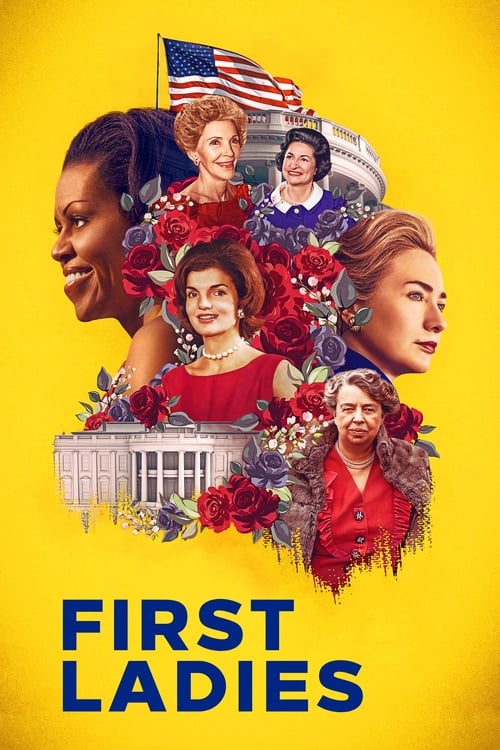
"First Ladies" is an anthology series that explores the lives of various First Ladies of the United States, focusing on their personal and political struggles. The 2020 season features several episodes, each dedicated to a different First Lady, with a strong emphasis on their emotional journeys and the historical context in which they lived.
The first episode centers on Eleanor Roosevelt. It begins with her childhood, showcasing her difficult upbringing, marked by the loss of her parents and her struggles with self-esteem. As she grows older, she marries Franklin D. Roosevelt, and the narrative shifts to their early years together. The episode highlights Eleanor's initial role as a traditional wife, but as Franklin's political career progresses, she begins to find her voice.
A pivotal moment occurs when Franklin is diagnosed with polio. Eleanor's emotional state shifts dramatically; she feels a mix of fear, determination, and a sense of duty. She steps into a more active role, supporting Franklin's political ambitions while also advocating for social issues, including civil rights and women's rights. The episode captures her internal conflict as she balances her loyalty to Franklin with her desire to forge her own identity.
As Franklin ascends to the presidency, Eleanor becomes increasingly involved in public life. The episode depicts her first press conference, where she faces skepticism but ultimately gains respect for her candidness. Her relationship with Franklin evolves, marked by both love and tension, particularly as she discovers his infidelities. This revelation leads to a period of emotional turmoil for Eleanor, who grapples with feelings of betrayal and the societal expectations of her role.
The second episode shifts focus to Betty Ford. It opens with her early life in Michigan, showcasing her strong family values and her passion for dance. The narrative progresses to her marriage to Gerald Ford, highlighting their supportive partnership. However, as Gerald becomes Vice President and later President, Betty struggles with the pressures of public life.
A significant turning point occurs when Betty openly discusses her battle with breast cancer. The episode portrays her vulnerability and strength as she uses her platform to raise awareness about women's health issues. This moment of honesty resonates with the public, and Betty becomes a symbol of resilience.
As the episode unfolds, Betty faces challenges related to her husband's political decisions, particularly regarding the Vietnam War and the Watergate scandal. Her internal conflict deepens as she navigates her role as First Lady while advocating for her beliefs. The climax of the episode features her candid admission of her struggles with addiction, leading to her decision to seek help. This moment is portrayed with raw emotion, emphasizing her courage in confronting her demons.
The final episode focuses on Michelle Obama. It begins with her childhood in Chicago, illustrating her strong sense of identity and ambition. The narrative follows her journey through Princeton and Harvard Law School, where she meets Barack Obama. Their courtship is depicted with warmth and humor, showcasing their deep connection.
As Barack's political career takes off, Michelle grapples with the challenges of being in the public eye. The episode highlights her initial reluctance to embrace the role of First Lady, as she struggles with the scrutiny and expectations placed upon her. A key moment occurs during the 2008 campaign when she delivers a powerful speech that resonates with many, marking her emergence as a prominent figure in her own right.
The episode captures Michelle's initiatives, including her focus on healthy eating and education for children. However, it also delves into her personal struggles, including the impact of racism and the challenges of raising two daughters in the White House. The climax features her speech at the Democratic National Convention in 2016, where she reflects on her journey and the importance of hope and resilience.
Throughout the series, each First Lady's story is interwoven with historical events, showcasing their contributions and the personal sacrifices they made. The emotional depth of their experiences is highlighted, providing a nuanced portrayal of their lives beyond the public persona. The series concludes with a reflection on the legacy of these women, emphasizing their lasting impact on American society.
More TV Shows Like This
Browse All TV Shows →





What is the ending?
The ending of "First Ladies" sees Eleanor Roosevelt reflecting on her legacy and the impact she has made as First Lady. She embraces her role in advocating for civil rights and social justice, ultimately finding peace in her contributions. The series concludes with a montage of her achievements and the lasting influence she has had on future generations.
In a more detailed narrative, the final scenes unfold with Eleanor Roosevelt standing in the garden of the White House, the sun setting behind her, casting a warm glow over the landscape. She is dressed in a simple yet elegant dress, her hair neatly styled, but there is a weariness in her eyes that speaks to the burdens she has carried throughout her life. As she walks through the garden, she reflects on her journey, the struggles she faced, and the victories she achieved.
The camera pans to flashbacks of her early days as First Lady, where she fought against the traditional expectations of her role. We see her organizing press conferences, speaking out for civil rights, and visiting troops during World War II. Each memory is accompanied by a soft, poignant score that underscores her determination and resilience.
In the next scene, Eleanor is joined by her close friend and advisor, Lorena Hickok. They sit on a bench, sharing a moment of quiet companionship. Lorena, with her supportive demeanor, encourages Eleanor to embrace her legacy. Eleanor expresses her fears about being forgotten, but Lorena reassures her that her work has inspired countless individuals. This conversation highlights Eleanor's vulnerability and her deep need for validation, even after all she has accomplished.
As the sun dips lower, the scene shifts to a gathering of young women in a community center, where they are discussing Eleanor's impact on their lives. They share stories of how her advocacy for women's rights and social justice has motivated them to pursue their own paths. The camera captures their passionate expressions, illustrating the ripple effect of Eleanor's work. This scene serves as a powerful testament to her enduring influence.
The final moments of the series show Eleanor standing before a large crowd, delivering a speech about hope and progress. Her voice is steady, filled with conviction as she speaks about the importance of fighting for equality and justice. The audience is captivated, hanging on her every word. As she finishes, the crowd erupts in applause, and Eleanor's face lights up with a mixture of pride and humility.
The series concludes with a montage of historical footage interspersed with Eleanor's achievements, showcasing her as a trailblazer for future First Ladies and activists. The screen fades to black, leaving viewers with a sense of closure and the understanding that Eleanor Roosevelt's legacy will continue to inspire generations to come.
In this ending, Eleanor Roosevelt finds peace in her contributions, while the series emphasizes the importance of advocacy, resilience, and the impact one individual can have on the world. The fates of the main characters are intertwined with Eleanor's journey, as they all reflect the broader themes of empowerment and social change that she championed throughout her life.
Is there a post-credit scene?
The TV show "First Ladies," produced in 2020, does not feature any post-credit scenes. The series focuses on the lives and contributions of various First Ladies throughout American history, exploring their personal struggles, political influence, and the societal challenges they faced. Each episode concludes with a reflective tone, emphasizing the legacy of the First Ladies rather than setting up future storylines or additional scenes. The narrative wraps up with a sense of closure, highlighting the impact these women had on the nation and their roles in shaping history.
What challenges did Eleanor Roosevelt face during her time as First Lady?
Eleanor Roosevelt faced numerous challenges during her tenure as First Lady, including navigating her husband's polio diagnosis, which left him paralyzed and required her to take on a more active role in public life. She struggled with her own insecurities and the expectations placed upon her as a political figure. Additionally, she confronted societal issues such as civil rights and women's rights, often clashing with traditional views within her own party.
How did Michelle Obama influence public perception of the First Lady role?
Michelle Obama redefined the role of First Lady by focusing on health, education, and military families. Her 'Let's Move!' initiative aimed to combat childhood obesity, showcasing her commitment to public health. She also emphasized the importance of education for girls, using her platform to advocate for access to education worldwide. Her relatable personality and focus on authenticity helped shift public perception, making the role more accessible and engaging.
What was Betty Ford's approach to addressing addiction and mental health?
Betty Ford was candid about her struggles with addiction and mental health, which was groundbreaking for a First Lady. After her own battle with substance abuse, she established the Betty Ford Center, which became a leading facility for addiction treatment. Her openness about her experiences helped destigmatize addiction and encouraged others to seek help, reflecting her compassionate and proactive approach to mental health issues.
How did Lady Bird Johnson contribute to environmental conservation?
Lady Bird Johnson was a passionate advocate for environmental conservation, particularly through her 'Beautification of America' campaign. She worked tirelessly to promote the planting of wildflowers along highways and urban areas, believing that beauty could improve the quality of life. Her efforts led to significant legislation aimed at preserving natural landscapes and promoting environmental awareness, showcasing her deep commitment to the environment.
What role did Jacqueline Kennedy play in shaping the White House's cultural image?
Jacqueline Kennedy played a pivotal role in shaping the cultural image of the White House through her emphasis on art, history, and American culture. She spearheaded the restoration of the White House, making it a symbol of American heritage. Her televised tour of the White House showcased its historical significance and her personal style, which captivated the nation and established her as a fashion icon, influencing the cultural landscape of the 1960s.
Is this family friendly?
"First Ladies," produced in 2020, is a docudrama series that explores the lives and contributions of various First Ladies in American history. While the show is educational and offers insights into the personal and political challenges faced by these women, it does contain some themes and scenes that may not be suitable for younger audiences or sensitive viewers.
-
Historical Context of Struggles: The series delves into the personal struggles of the First Ladies, including issues such as infidelity, mental health challenges, and societal pressures. These themes may be heavy for children.
-
Depictions of Conflict: There are scenes that portray political and personal conflicts, including arguments and emotional confrontations, which may be intense for younger viewers.
-
Social Issues: The show addresses significant social issues such as racism, sexism, and the impact of war, which may be upsetting or difficult for children to fully understand.
-
Emotional Turmoil: The internal emotional struggles of the First Ladies are depicted, including feelings of isolation, sadness, and frustration, which could resonate deeply and potentially be distressing.
-
Historical Events: Some episodes may reference or depict historical events that involve violence or tragedy, which could be unsettling for sensitive viewers.
Overall, while "First Ladies" provides valuable historical insights, parents may want to consider these aspects when determining if it is appropriate for children or sensitive individuals.